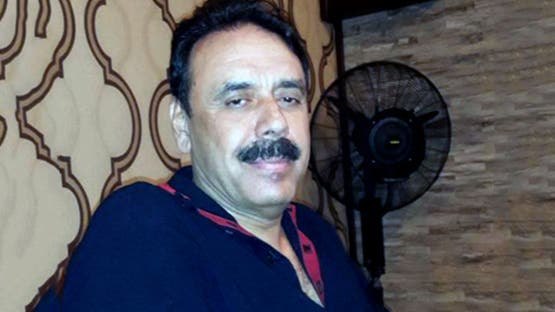
The dismissal of Mohammad Ismail Ghaznawi, the Taliban-appointed governor of Badakhshan, and the appointment of Rahmatullah Najib, a Taliban deputy foreign minister, as the province’s new governor have once again placed Badakhshan’s political and social situation under scrutiny. Zia Badakhsh, a former judge at Kabul’s Commercial Court, says the move cannot be viewed simply as an administrative reshuffle. In his view, dissatisfaction with Ghaznawi’s performance, disputes over Badakhshan’s mineral resources, tensions among influential Taliban figures in the province, and recent public protests all contributed to the decision. However, he argues that replacing the governor alone will not resolve Badakhshan’s deeper crisis.
Speaking to IRAF, Zia Badakhsh said the dismissal of Mohammad Ismail Ghaznawi should partly be viewed within the broader pattern of personnel changes under the Taliban. However, he argued that dissatisfaction with Ghaznawi’s performance, disputes over mining, internal tensions within the Taliban’s local structure and recent public protests were also important factors behind the decision.
A Routine Reshuffle or a Response to Growing Discontent?
Badakhsh said changes in government officials are not a new phenomenon in Afghanistan and have occurred under different political systems.
He explained that within the Taliban’s governing structure, the level of confidence senior Taliban figures place in officials appointed to various positions can also lead to their replacement or transfer from one province to another.
However, Badakhsh said Ghaznawi’s removal cannot be reduced to a routine administrative reshuffle, as dissatisfaction with his performance had emerged in Badakhshan.
He identified issues surrounding Badakhshan’s mines and the governor’s management and involvement in the sector as one source of that dissatisfaction. Alongside the disputes over mineral resources, he said, tensions had also developed between Ghaznawi and several influential Taliban figures in the province.
Badakhshan’s Mines and Rivalries Within the Taliban
Badakhsh pointed to tensions between Ghaznawi and Amanuddin Mansour, whom he described as one of the influential Taliban figures in Badakhshan, saying the dispute had intensified at one point.
According to Badakhsh, the situation became more complicated after the head of Badakhshan’s Information and Culture Department, who was Mansour’s nephew, was killed in an incident he attributed to the Taliban’s intelligence apparatus in the province.
Badakhsh described the incident as one of the factors that contributed to the emergence and escalation of tensions among different factions within the Taliban in Badakhshan.
In his assessment, these disputes, together with public dissatisfaction with the governor’s performance, may have influenced the Taliban’s decision to remove Ghaznawi.
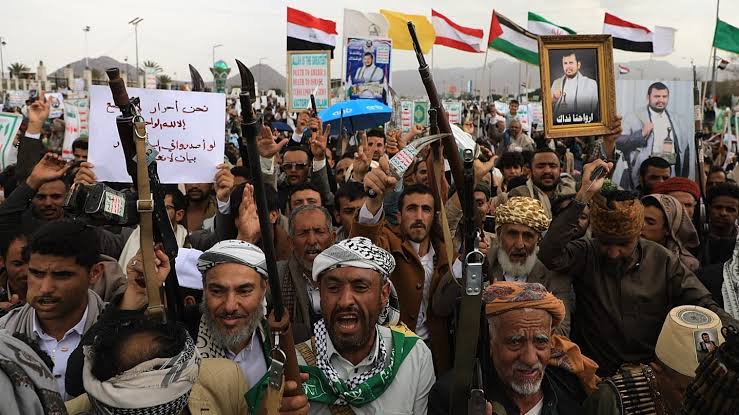
He also referred to recent developments in the Darwaz districts, saying protests and discontent there reflected a growing gap between sections of the population and the Taliban’s governing structure.
Ethnic and Linguistic Grievances
The former Kabul Commercial Court judge identified another source of dissatisfaction as the way Ghaznawi and some Taliban-appointed officials dealt with Badakhshan’s ethnic and cultural characteristics.
He said some residents believe officials sent to the province from outside Badakhshan, particularly those from the Pashtun community, lack sufficient understanding of the region’s local culture, language, social structure and characteristics.
Badakhsh stressed that the issue is not simply the ethnicity of an appointed official, but whether that official can communicate effectively with local residents and understand their language and culture.
“Badakhshanis want at least a basic standard whereby the governor and officials understand and respect their language, culture and local environment,” he said.
He also described the Persian language as a serious challenge within Badakhshan’s administrative system, saying Persian is the administrative and commonly spoken language of the province, while some Taliban officials appointed there lack sufficient command of it.
He added that some official and administrative correspondence is conducted in Pashto, even though many residents of Badakhshan neither speak the language nor have the ability to understand administrative correspondence written in it.
In Badakhsh’s view, such practices make it more difficult for residents to access government institutions rather than easing their problems, further widening the gap between society and the authorities.
Can Rahmatullah Najib Change the Situation?
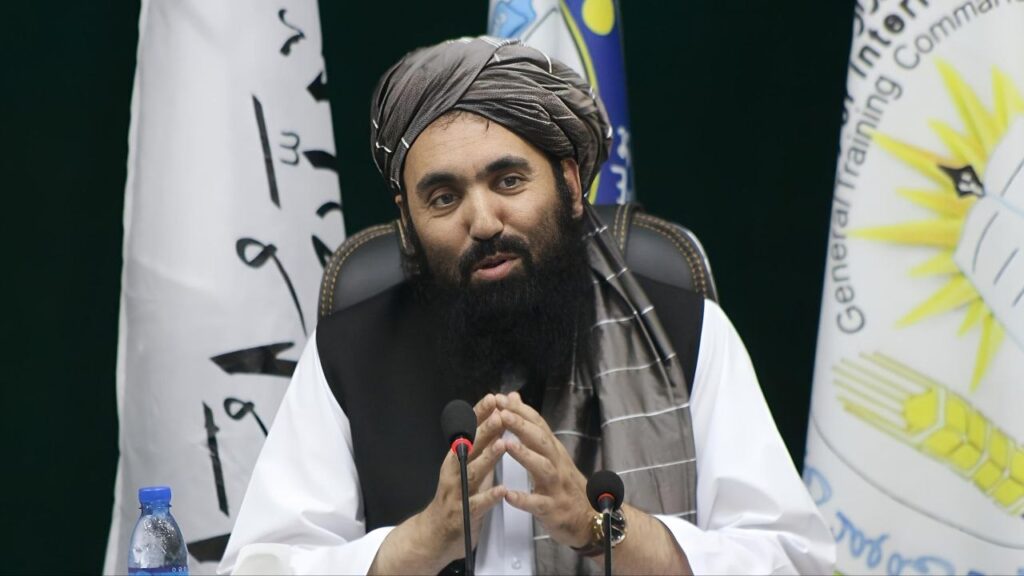
Following Ghaznawi’s dismissal, Rahmatullah Najib, a Taliban deputy interior minister, was introduced as Badakhshan’s new governor.
Badakhsh said Najib’s position within the Interior Ministry and his experience at higher administrative levels may have been among the reasons for his appointment.
He suggested that Najib’s position and connections with different parts of the governing structure may have given him greater experience in dealing with officials and local communities, and that the Taliban may have considered these factors in selecting him to administer Badakhshan.
However, when asked whether the new governor could resolve the existing disputes, Badakhsh stressed that changing one individual would not, by itself, address Badakhshan’s fundamental problems.
“I don’t think the problems and grievances of the people of Badakhshan will be resolved simply by changing one official for another,” he said.
According to Badakhsh, the problems facing Badakhshan and Afghanistan are rooted at a deeper level than changes in government personnel and require changes in broader policies and approaches.
Women’s Demands
Badakhsh also identified the situation of women and girls as one of Afghanistan’s most fundamental problems.
He pointed to girls’ exclusion from schools and the restrictions placed on women’s position and role in society as major issues that cannot be resolved by changing a governor or several government officials.
He said the Taliban might take limited measures for a month or two in the short term to reduce public dissatisfaction, but such steps would not amount to a fundamental resolution of people’s grievances.
In his assessment, the central issue is that the social demands of Afghans remain unresolved, and administrative changes without fundamental changes in the Taliban’s policies cannot address those demands.
Why Is Badakhshan Important to the Taliban?
Badakhsh said Badakhshan’s importance to the Taliban is largely rooted in the province’s geographic and strategic position.
He noted that Badakhshan is one of Afghanistan’s large provinces and shares borders with Pakistan, China and Tajikistan. Its geographic position, combined with the social and political characteristics of its population, has given the province particular importance.
Badakhsh argued that if Badakhshan were to fall out of Taliban control in any form, the consequences could extend beyond a local development and create a broader challenge for the Taliban in other northern provinces.
He said the Taliban, given the resources at its disposal, would not easily be able to manage a wider crisis in northern Afghanistan. For that reason, he said, the group closely monitors any form of protest in Badakhshan.
According to him, the Taliban seeks to contain protests or opposition movements at an early stage before they can develop into broader and organized movements.
Badakhshan: A Sensitive Point for the Taliban’s Opponents
Badakhsh also referred to Badakhshan’s historical role in Afghanistan’s political developments, saying the province has long been a base for movements opposed to the Taliban.
He cited Afghanistan’s Jamiat-e Islami and the role of Burhanuddin Rabbani, saying Badakhshan has historically played an important role in Afghanistan’s political developments and in the formation of movements opposed to governments of the time.
According to Badakhsh, the history of opposition to discrimination, demands for social justice and the pursuit of political and social rights in Badakhshan is longstanding. He said this cannot simply be eliminated through the replacement of several officials or security measures.
He believes the level of social awareness among Badakhshan’s population has helped establish demands for justice as a deep-rooted feature of the province.
The Future of Badakhshan: Will the Protests Be Silenced?
The former Kabul Commercial Court judge said suppressing protests does not necessarily mean that public dissatisfaction will disappear.
He stressed that even if the Taliban succeeds in silencing a protest in one location, another voice may emerge elsewhere.
Badakhsh compared the situation to the rivers flowing from the valleys of Badakhshan toward the Amu Darya, saying the people’s demands would continue to emerge in different forms.
“I don’t think the Taliban can silence these voices. If one voice is silenced in one place, other voices will rise somewhere else,” he said.
According to Badakhsh, the future of Badakhshan will be shaped by the people’s “awakening and raising awareness” and their continued resistance in different forms and through different figures.
He concluded that demands for justice, freedom, human values and human dignity—particularly the right of women to education—will remain present among the people of Badakhshan and will not easily disappear.
Background
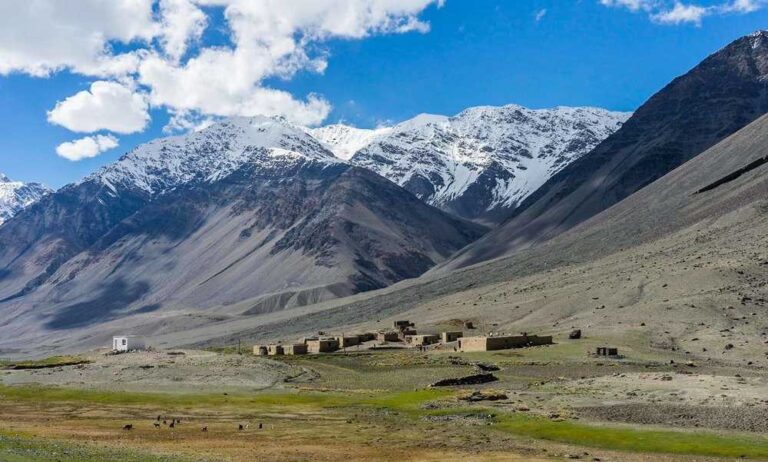
Badakhshan is located in northeastern Afghanistan and borders Tajikistan, China and Pakistan. Because of its geographic, border and mineral importance, it is considered one of the country’s key provinces. It also has a long history of involvement in Afghanistan’s political developments and of activity by movements opposed to central governments.
Under Taliban rule, Badakhshan has also faced local protests and dissatisfaction, while the management of mineral resources and the conduct of officials toward residents have remained among the issues debated in the province.
Ghaznawi’s dismissal and Najib’s appointment come as the Taliban seeks to maintain control over different parts of Afghanistan. However, Badakhsh’s remarks suggest that Badakhshan’s challenges extend beyond the replacement of a governor and are tied to a broader set of political, social, cultural and economic demands among the province’s population.