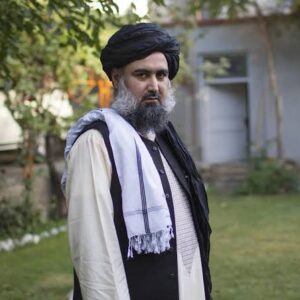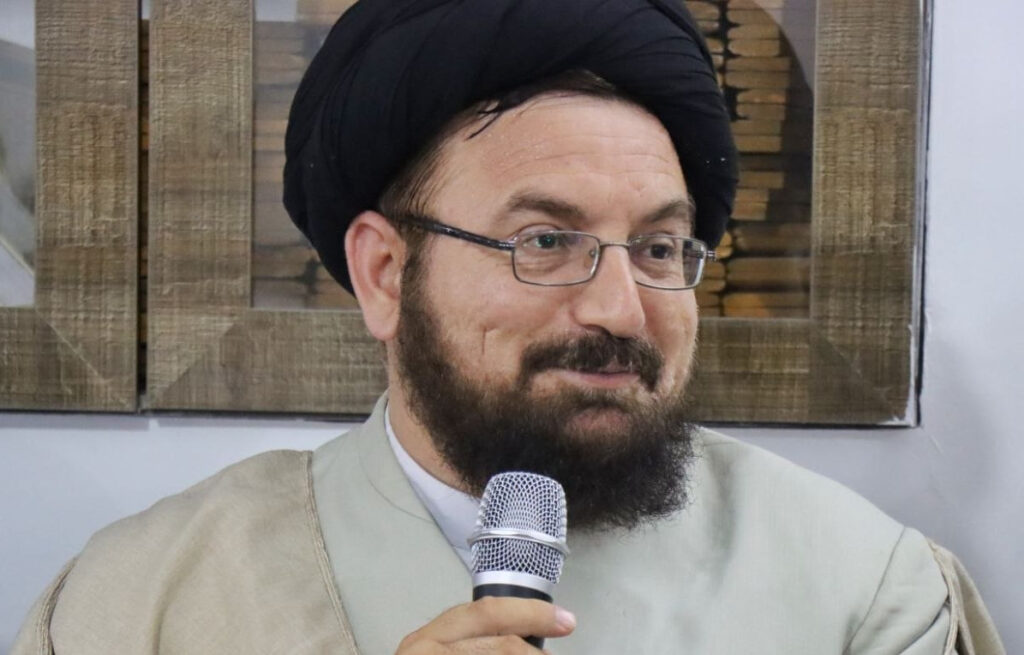
The head of the Cultural and Social Foundation of Afghans Residing in Iran, in conversation with Iraf, said: “The restrictions imposed on women in Afghanistan have caused public discontent, increased social protests, and created a gulf between the people and the governing authority — and require serious reconsideration.”
Herat: A Symbol of Protest Against Social Restrictions
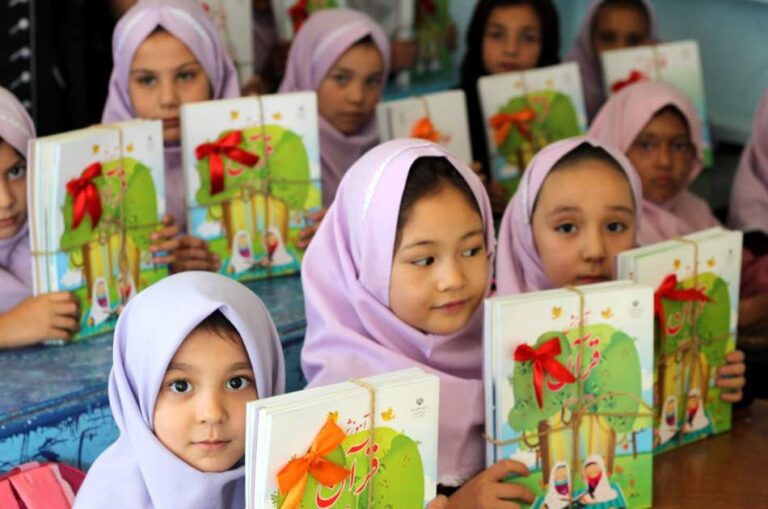
Vahidi, referring to the Taliban’s policies toward women, said: since the establishment of the current government in Afghanistan, numerous restrictions have been imposed on women in the domains of education, employment, and social presence, which have had widespread negative consequences on the lives of the people — particularly women and girls.
He added: the ban on girls’ education beyond the sixth grade is a nationwide policy in Afghanistan, but on matters such as women’s dress and social presence, the degree of strictness varies across different regions, and some local officials impose additional restrictions.
The head of the Cultural and Social Foundation of Afghans Residing in Iran, referring to the conditions in Herat, stated: this province is among the areas where Vice and Virtue enforcement officers are stricter than in other parts of Afghanistan, and this has contributed to the rise of public discontent.
He continued: the recent protests in Herat and the security forces’ confrontation with protesters are the natural consequence of the pressures that have been exerted over the past years on segments of Afghan society — particularly women.
According to Vahidi, the continuation of such an approach could lead to a widening of the rift between the people and the governing authority and adversely affect social order and daily life.
Strict Interpretations of Religion Require Reconsideration
Vahidi, noting that some of the imposed restrictions stem from strict interpretations of religious teachings, stressed: this type of interpretation can confront people’s lives with considerable hardship and increase the grounds for social discontent.
He added: there is no doubt about the essential need to observe modesty and Islamic values, but certain restrictions — such as the requirement of a male guardian’s presence in all circumstances, or the full covering of women’s faces — are matters on which Islamic scholars across various schools of jurisprudence hold differing views.
The head of the Cultural and Social Foundation of Afghans Residing in Iran emphasized: these matters are open to discussion, reconsideration, and ijtihad, and should not be implemented in a manner that brings hardship and difficulty to people’s daily lives.
Vahidi noted: if there is concern for the security of women, the government’s duty is to provide security within society so that women can participate in social spheres while upholding Islamic and cultural values.
Global Powers Think More of Their Interests Than of the People
Vahidi, on the possibility of a change in the world’s approach toward Afghanistan following recent events, said: global powers typically make decisions based on their strategic and regional interests, and the situation of the Afghan people is not their primary priority.
He added: various countries are unlikely to change their policies solely on account of social matters as long as they view their interests in Afghanistan as being secured.
The head of the Cultural and Social Foundation of Afghans Residing in Iran stated: the international community’s reaction will likely remain at the level of expressing concern, issuing warnings, and condemnations, and one cannot expect this issue alone to bring about fundamental change in countries’ relations with the Taliban.
He nonetheless emphasized: the Islamic Republic of Iran has consistently stressed attention to the interests and demands of the Afghan people and has pursued a perspective different from that of many international actors in this regard.
Social Restrictions Make the Taliban’s Path to International Legitimacy More Difficult
Vahidi, on the impact of these actions on the process of the Taliban’s international recognition, said: the international community and even many Islamic countries still harbor numerous concerns about the situation in Afghanistan.
He added: the issue of the participation of various ethnic groups and religious communities in the power structure, the state of civil rights, the presence of extremist groups, and security concerns are among the matters that remain unresolved for many countries.
The head of the Cultural and Social Foundation of Afghans Residing in Iran noted: even Russia — which maintains closer relations with Afghanistan’s government — has on multiple occasions expressed concern about the activities of terrorist groups in the country.
He stressed: restrictive decisions in the domain of social matters — particularly with regard to women — can add to existing concerns and further slow the pace at which the current Afghan government is recognized.
Vahidi concluded by emphasizing: as long as domestic and international concerns about governance, political participation, and social rights in Afghanistan remain unaddressed, various countries will continue to engage cautiously with the current authority.
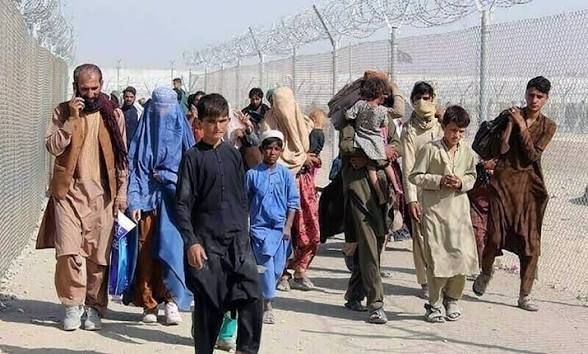
Following the Taliban’s return to power in August 2021, sweeping restrictions were imposed on women in Afghanistan. The ban on girls’ education at secondary and university levels, restrictions on women’s employment across many institutions, and the imposition of strict regulations on dress and social presence have been among the most significant of these measures. In recent days, the publication of reports about Taliban Vice and Virtue officers’ confrontation with women in Herat and the protests that have taken shape in the city have once again made the issue of women’s rights and the social consequences of Taliban policies one of the central axes of debate about Afghanistan’s future.