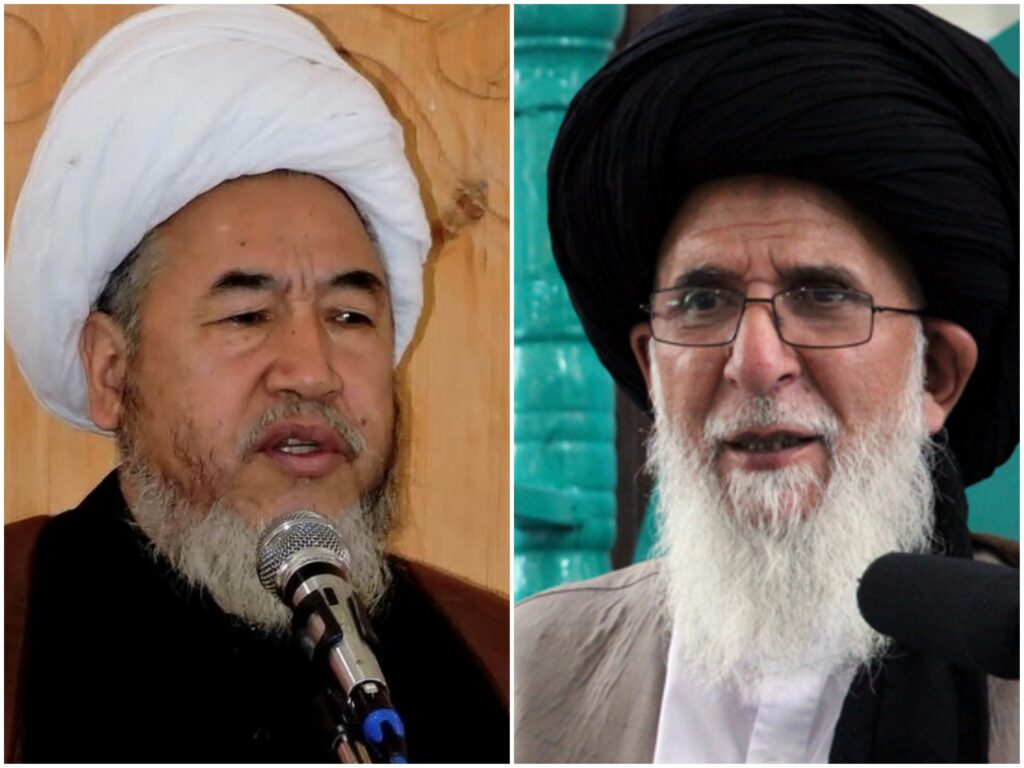
According to Iraf, Ayatollah Waezzadah Behsoudi and Ayatollah Hojjat Kabuli, in their Eid al-Adha sermons, issued an unprecedented warning regarding the restrictions and treatment directed at Shia Muslims in Afghanistan and called for the respect of the religious rights of all citizens.
Following the publication of excerpts from the remarks of these two religious scholars, a number of social and cultural activists on social media voiced support for their positions and characterized them as reflecting the existing concerns among a segment of Afghanistan’s Shia community.
Seyyed Ahmad Musawi Moballegh, reacting to the matter, wrote: Waezzadeh is among those figures who have tried every avenue of engagement and cooperation with the Taliban, and his current sense of despair demonstrates that no hope remains for a reform of the Taliban’s conduct.
Musawi Moballegh called upon scholarly, religious, and social Shia figures in Afghanistan — including those with popular influence — to support Waezzadeh’s recent position and to join voices in criticizing Taliban policies.
In his view, institutions such as the Shia Scholars Council and the Supreme Shia Commission can also, notwithstanding past mistakes, play an active role in defending the rights and demands of Shia Muslims.
He also emphasized that the current conditions have created a suitable opportunity for setting aside internal differences and building convergence among Afghanistan’s Shia community.
Many of the reactions to recent events have referenced the arrest and physical mistreatment of Hojjat al-Islam Sharifi, a Shia cleric. The matter of requiring a number of students in Herat and Bamyan provinces to sign pledges accepting the Hanafi school of jurisprudence has also been raised again in the reactions. Critics have characterized this measure as contrary to the religious diversity existing in Afghanistan and have described it as an example of pressure being exerted on followers of other Islamic schools of thought.
Aref Rahmani, a former parliamentarian, also reacted to the matter in an interview, saying: the Taliban in rhetoric speak of coexistence, brotherhood, and fraternity, but in practice have drawn the sword against Shia Muslims.
Referring to the fact that during the republican era the issue of personal status law was enshrined as a provision in Afghanistan’s constitution, he added: after the fall of the government and the Taliban’s takeover, the Shia school of jurisprudence was stripped of its official status, and politically, the participation of Shia Muslims in governance was blocked. Even Shia religious ceremonies face difficulties. He stressed: the current situation is unacceptable, and if the Taliban do not change course, a social explosion will occur.
Mahdi Rasekh, a political activist, for his part reacted to Waezzadeh’s remarks by writing: these words are the reflection of the pain and demand of a nation; if the Taliban do not take these warnings seriously, society will most certainly respond to the Taliban with a harsh and widespread reaction.
Some users and political activists believe that the public raising of these issues by two well-known Shia scholars indicates a growing level of concern about the state of religious freedoms and the rights of followers of the Jaafari school of jurisprudence in the country.
This is while Taliban officials had, at the time of writing this report, issued no reaction to the matter.