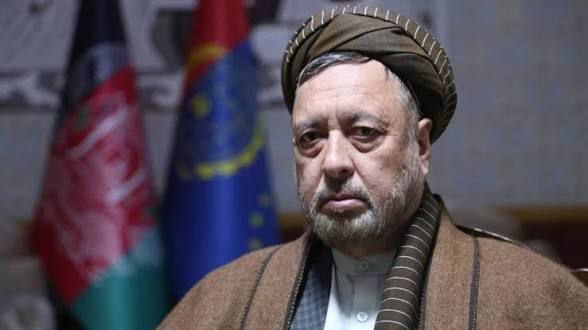
According to Iraf, Mohammad Mohaqiq, leader of the Islamic Unity Party of the People of Afghanistan, stated in a recent note that Hojjat-ul-Islam Hussain Dad Sharifi, a well-known Shia Friday prayer imam and scholar in Kabul, was arrested, beaten, and insulted by Taliban forces after conducting a marriage contract according to Ja‘fari jurisprudence.
He said that the Taliban have warned dozens of Shia scholars in Kabul and other provinces that they “do not have the right to perform marriage contracts based on Ja‘fari fiqh”, and that any violation would result in six months of imprisonment.
Mohaqiq emphasized that in many Islamic countries, personal status matters—including marriage, divorce, inheritance, custody, and religious rites—are administered according to the jurisprudence and religious laws of each community.
Referring to examples such as Iraq, where Shia and Sunni communities have independent religious courts, he noted that Afghanistan also followed such a system prior to the fall of the republic. Even the 2003 constitution recognized Ja‘fari fiqh as the official personal status law for Shias.
He added that with the Taliban’s return to power, this recognition has been revoked, and “organized pressures” on Shia religious practices and personal status matters have increased.
Mohaqiq also cited a case from Daikundi province, where an elderly Pashtun man named Asadullah claimed marital rights over a married Hazara woman without valid religious or judicial authorization. Instead of addressing the case legally, the Taliban pressured the young couple and their relatives and detained several individuals.
According to him, these pressures forced the young couple to flee the area.
He described these actions as a “clear violation of the privacy and religious rights of the Shia community” and a factor contributing to “heightened ethnic and religious tensions”, warning that continuing this trend “benefits no one.”
Mohaqiq concluded by urging the Taliban to refrain from interfering in Shia personal status matters and the Hazara community, at least “for their own interests,” and to avoid “adding fuel to the fire of conflicts.”
Hojjat-ul-Islam Sharifi is recognized in western Kabul as a prominent religious figure who has long served in teaching religious sciences, leading Friday prayers, and officiating religious marriage contracts.
He is especially trusted by Shia families in Kabul for conducting both permanent and temporary marriage contracts.
According to his close associates, the Taliban recently arrested him without presenting an official warrant after learning that he had performed a temporary marriage contract for a Shia couple.
Reports indicate that Sharifi was beaten and insulted during his detention.
Local sources also say that the Taliban have recently summoned dozens of Shia scholars across various security districts and forced them to sign written commitments not to perform any marriage contracts based on Ja‘fari fiqh.
According to Shia scholars, this constitutes direct interference in personal status matters and a blatant violation of religious freedom.
After his release, Hojjat-ul-Islam Sharifi stated that performing marriages according to Ja‘fari jurisprudence is a legitimate religious and legal right of Shias, and described the Taliban’s actions as “illegal and contrary to Afghanistan’s legal traditions.”
This case has now become a symbol of Taliban religious pressure on the Shia community, eliciting widespread reactions among civil activists, Shia scholars, and political figures in Afghanistan.