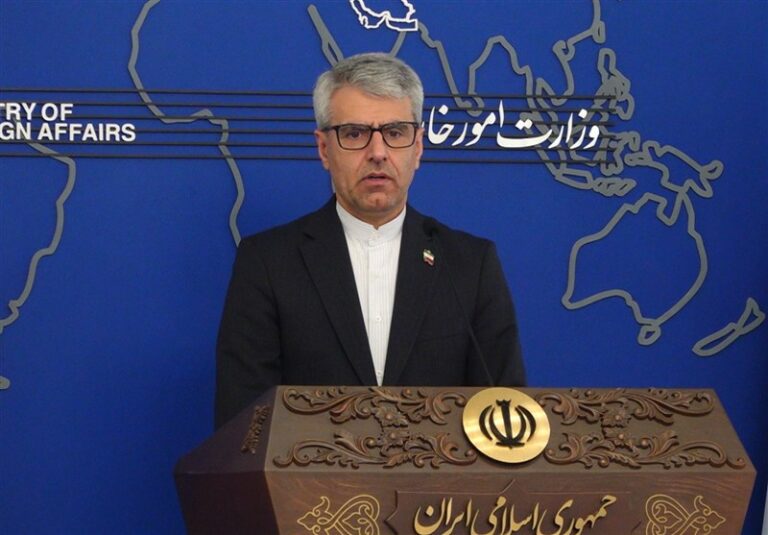
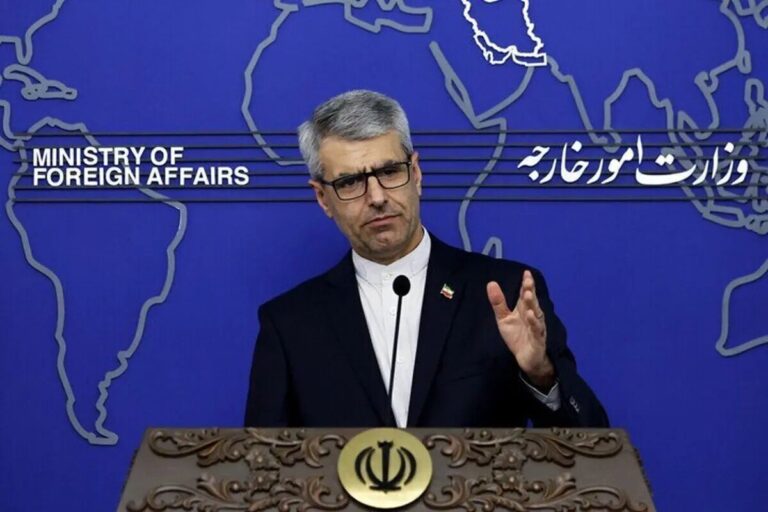
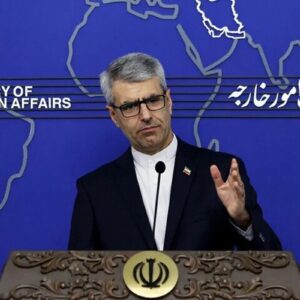
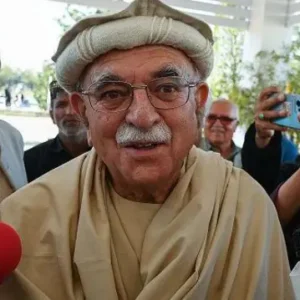
In an interview with IRAF about the deliberate attacks by aggressors on Iran’s cultural heritage, Tavousi examined the dimensions, causes, and consequences of these attacks and emphasized the necessity of protecting these monuments.
He addressed two fundamental aspects. The first, he said, is the international dimension:
“Each of Iran’s ancient monuments, as part of the history of humanity, belongs to all people. For example, structures such as Golestan Palace and Chehel Sotoun do not belong solely to Iranians; rather, they represent the great cultures and civilizations of humanity throughout history. This increases our responsibility to protect these treasures.”
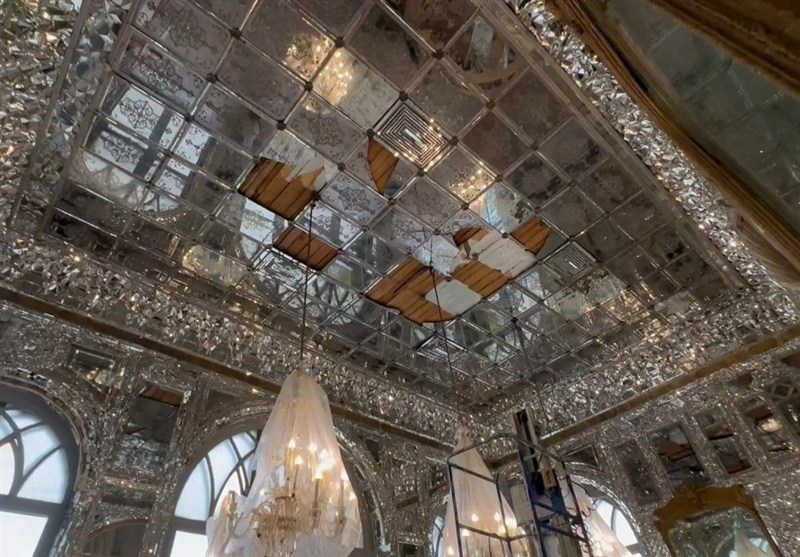
He further emphasized that the destruction of such monuments affects the cultural integrity of humanity and that the global community has a duty to strive for their preservation.
Attacking Historical Sites is a Major Tragedy
In the second aspect, Tavousi highlighted national identity and said:
“Each of these historical monuments symbolizes our identity, culture, and national heritage. For instance, destroying historical monuments is equivalent to destroying a shadow of our culture. The value of human life is undeniable, and we have witnessed tragedies such as the Minab incident, which was deeply painful. However, damage to these monuments is also a major tragedy because it seriously harms our identity and proud historical legacy.”
He referred to tragic events that have occurred in the region, noting that the destruction of historical sites by ISIS, including the bombing of the Al‑Nuri Mosque in Mosul, is an example of such disasters.
“Attacks on historical sites by terrorist groups such as ISIS not only cause psychological harm to nations but also represent a violation of human rights and the essence of our collective identity.”
According to this historian, such actions will deprive future generations of understanding their own culture and identity.
UNESCO and Neglect of Anti‑Cultural Crimes
In response to another question about the goals of the Zionist regime and the United States in targeting Iran’s historical sites, Tavousi said:
“For its malicious objectives, this regime has sacrificed 70,000 lives in Gaza, and in various wars against Iran they have killed thousands of innocent people, including women and children. During the recent Gaza war, an Achaemenid archaeological site in the region was bombed.”
He added: “This regime sets no red lines for itself and easily justifies its actions by claiming that it has targeted military or security centers. Even if historical monuments are damaged, they claim these sites were used for the deployment of military forces.”
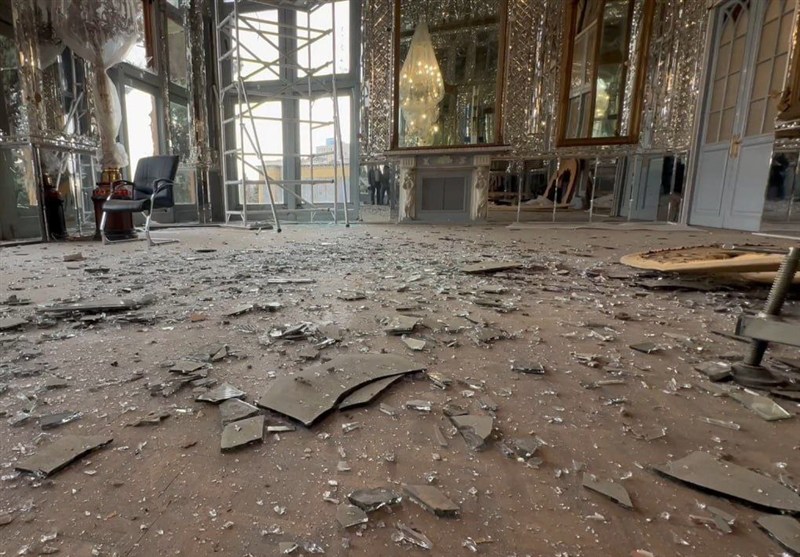
Tavousi also criticized the weakness of international institutions such as UNESCO in protecting cultural heritage.
“The destruction of historical and cultural monuments can be considered a war crime. Wise people around the world acknowledge this, and institutions such as UNESCO were established for precisely this purpose.”
However, he stressed that weaknesses in the actions of international organizations have unfortunately prevented effective protection of these sites.
In his view, in today’s world, where numerous threats exist, international institutions should have provided practical and effective plans to safeguard countries’ cultural and historical monuments and must address this issue more seriously.
The Theft of Historical Artifacts: Another Challenge for Iran
Tavousi also pointed to the theft of historical artifacts, saying:
“Valuable objects that have been transferred to famous museums around the world were mostly obtained through plunder. We hope that by using various capacities, we will witness the return of these valuable artifacts to our beloved country.”
The senior historical expert emphasized the necessity of effective international plans to protect these monuments during wars and prevent their destruction.
“It is necessary to devise international measures to ensure the security of these sites so that historical monuments remain protected during times of war.”
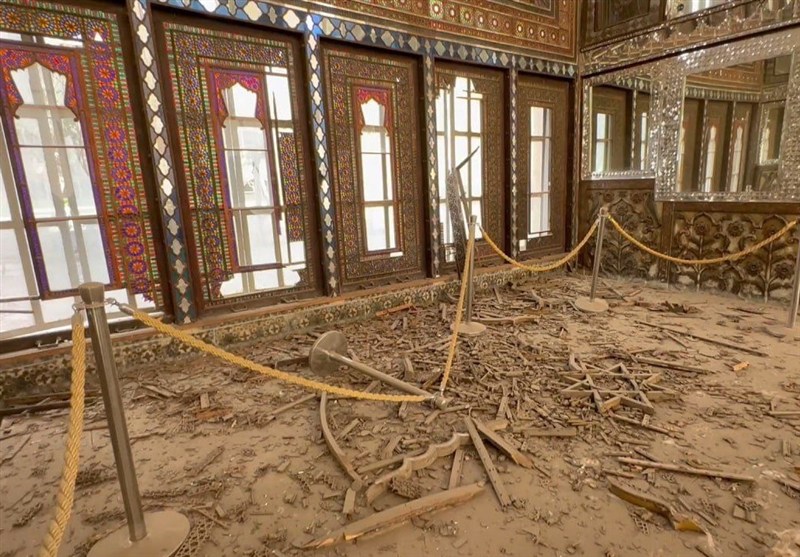
He added: “Covering historical buildings with the so‑called ‘Blue Shield’ protective cloth is a respectful step, but it is not sufficient on its own. Therefore, it is essential for cultural heritage experts to come together and adopt more effective decisions.”
Tavousi stated: “The world, especially countries with rich cultural heritage—must remember that these monuments do not only represent our past but also our future. The importance of protecting this heritage, particularly during conflicts and crises, must not be ignored. International and governmental institutions must act more seriously and purposefully to preserve our cultural heritage.”
He concluded by emphasizing that efforts to protect cultural heritage must become a shared responsibility not only at the national level but also at the global level.
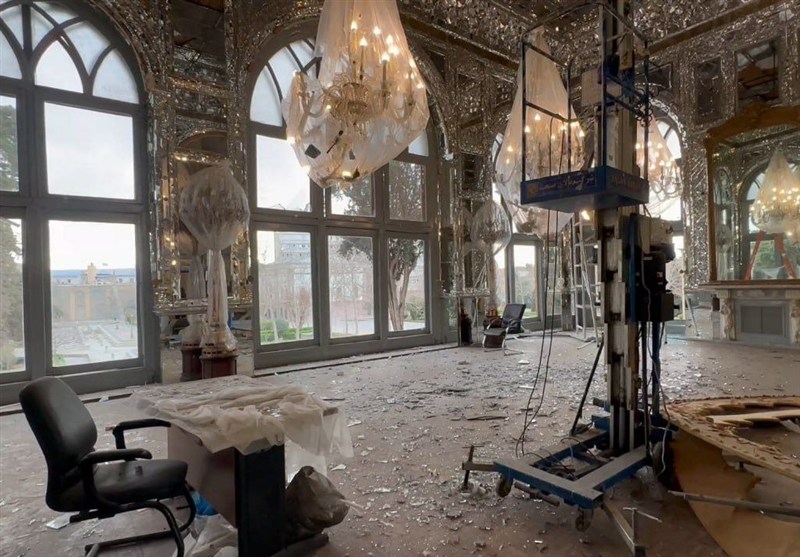
Iran, a land of ancient civilizations and rich culture, is recognized as one of the oldest centers of human civilization. With a history spanning several thousand years—including great empires, diverse arts, and advanced cultural and scientific traditions—this land contains unique treasures of historical monuments. However, attacks on historical sites in Tehran, Isfahan, and Lorestan have targeted not only the national identity of Iranians but also the history of humanity itself.
Under such circumstances, protecting cultural heritage has become a central issue, especially as organized attacks on these monuments and the threat of their looting continue.