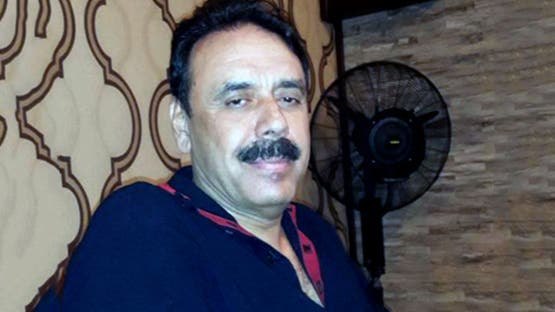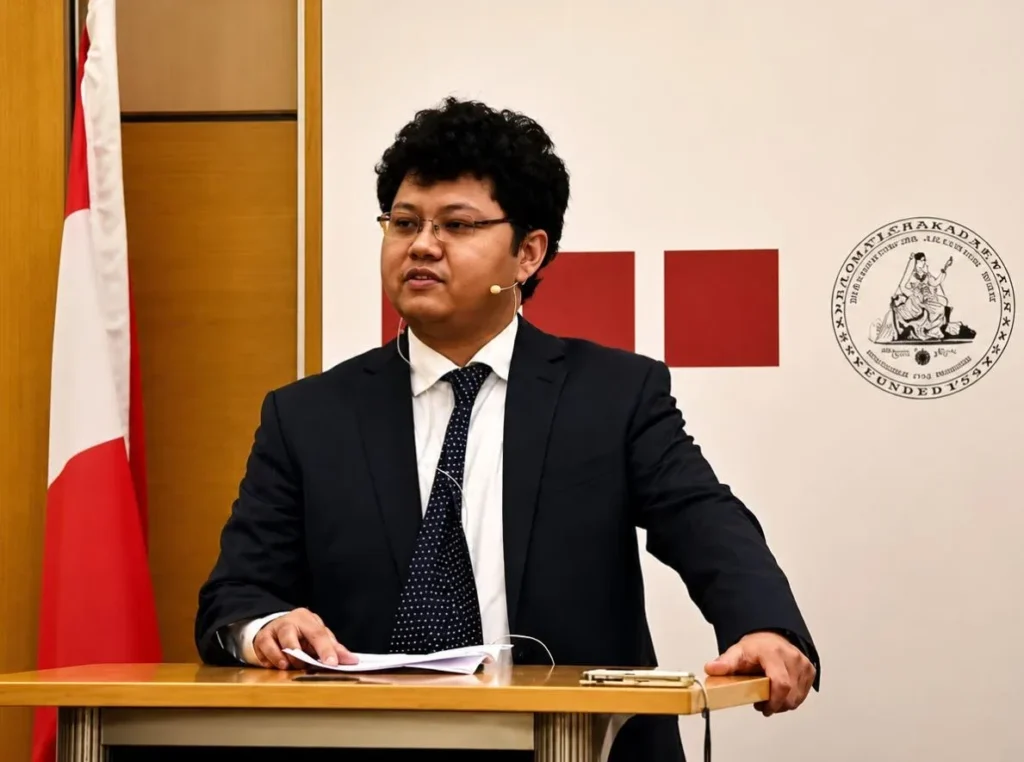
Taher Sharan, an Afghan physicist and researcher who served as head of Afghanistan’s Atomic Energy Commission under the former government, has now joined one of Canada’s most prestigious scientific institutions. His journey to this position has taken him from the villages of Bamyan to leading universities and research centers in the United Kingdom and, ultimately, to membership in the Royal Society of Canada.
As reported by IRAF, the Royal Society of Canada announced its list of new members on Wednesday, September 10, with Taher Sharan among those selected. The society said Sharan was elected in recognition of his scientific and public contributions, leadership in developing and implementing nuclear policies, and efforts to expand international cooperation in the peaceful use of nuclear science. The new members are scheduled to be formally inducted during a ceremony in Ottawa on November 13.
From Bamyan to Migration to Europe
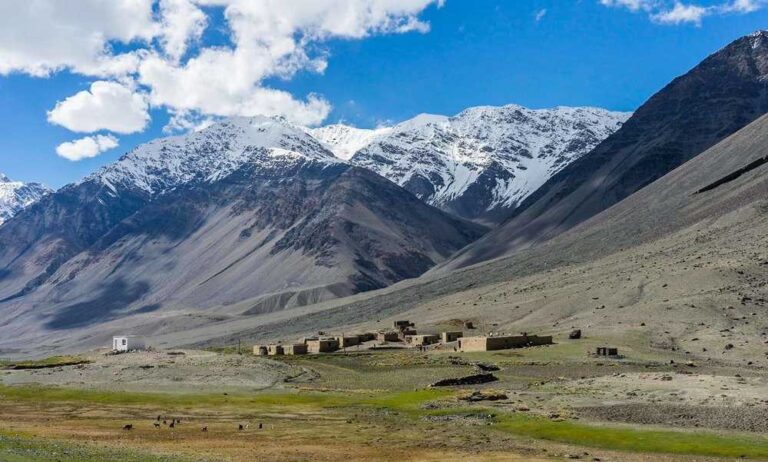
Sharan was born in the early years of the Soviet war into a rural family in the Qareghna-Tuy area of Bamyan. During the civil wars, his family left Bamyan and first moved to Mazar-e-Sharif before migrating to Iran.
In 1999, during the Taliban’s rule, Sharan traveled alone to Europe and, after a difficult journey, was granted asylum in Britain. His family had also migrated to Iran during the same period because of the conditions in Afghanistan.
In 2003, he entered University College London and began studying physics. Sharan completed his undergraduate and master’s degrees at the university while also conducting research at European research centers, including the Laboratoire de l’Accélérateur Linéaire in France and the Rutherford Laboratory in the United Kingdom.
From Nuclear Research to a PhD and International Work
In 2007, Sharan received a scholarship to pursue a PhD at University College London, continuing his research in atomic physics. During this period, he also collaborated with scientific institutions in Spain, China and the United Kingdom.
According to published reports on Sharan’s academic background, his doctoral research resulted in several scientific papers in leading international journals and earned him the Currie Foster Prize from University College London’s Department of Physics. After completing his studies, he continued working with various scientific institutions in Europe, including the Institute of Photonic Sciences in Barcelona, France’s Atomic Energy Commission and Germany’s Max Planck Institute.
Throughout his scientific career, Sharan’s research has focused on areas including atomic physics, quantum optics and ultrafast phenomena at the scale of electrons and molecules. In introducing him, the Royal Society of Canada also highlighted his international scientific activities and research in attosecond science, atomic physics and nonlinear quantum optics.
Return to Afghanistan and Government Positions
Sharan’s scientific career was not limited to universities and laboratories. After years of work in Europe, he returned to Afghanistan and later joined the government structure of the Islamic Republic of Afghanistan.
In 2018, Sharan was appointed by then-President Ashraf Ghani as head of the High Commission for Atomic Energy of Afghanistan, an institution responsible for policymaking and specialized activities in the field of atomic energy.
Following the Taliban’s return to power in 2021, Sharan left Afghanistan and sought asylum in Canada. He is now engaged in teaching and research at the University of Toronto.
Sharan’s election to the Royal Society of Canada marks the latest stage in his scientific journey—a path that began with the migration of an Afghan teenager and years of asylum, continued through study and research at European scientific institutions and service within Afghanistan’s government, and, following another migration, has now led to one of Canada’s highest scientific honors.