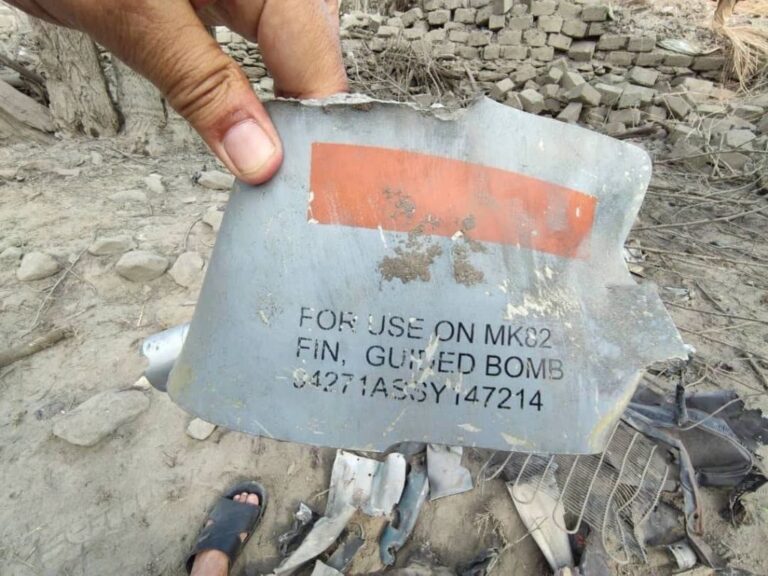
Five years into Taliban rule, assessing the group’s performance remains one of the key issues for Afghanistan observers. During this period, the Taliban have sought to consolidate their governing structure. However, sweeping restrictions on women, the absence of political participation, economic difficulties, the lack of broad international recognition, and tensions with some neighboring countries remain among the main challenges facing the group’s government.
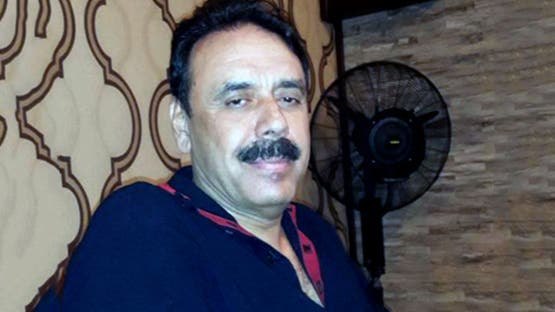
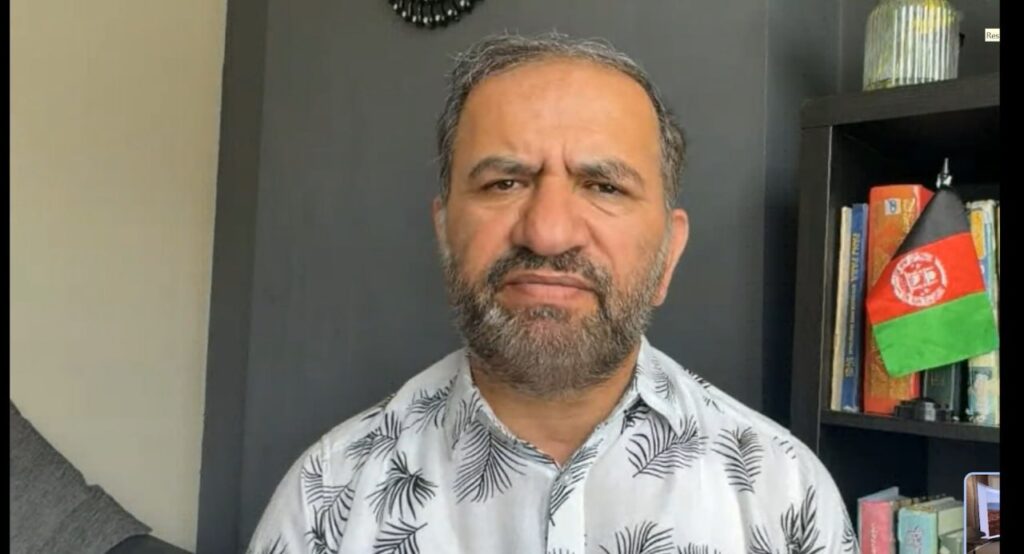
Against this backdrop, IRAF spoke with Afghan journalist Sami Yousafzai to examine the Taliban’s performance over the past five years, the status of women’s rights and civil society, internal divisions within the group, protests in Badakhshan, Taliban-Pakistan relations, and ties between Kabul and Washington.
In an interview with IRAF, Yousafzai said that compared with the period before their return to power, the Taliban have managed to establish a degree of security and stability in Afghanistan. However, he said this achievement has come at the cost of people’s political rights, severe restrictions on women’s rights, the weakening of civil society, and worsening economic conditions.
He also described internal disagreements within the Taliban as serious but unlikely to result in a split. Regarding protests in Badakhshan, he warned that continued discontent could become a serious challenge to the Taliban if it develops into a broader national resistance movement.
From an Armed Group to a Government
Assessing the Taliban’s performance, Yousafzai said: “Five years ago, the Taliban were an armed group that wanted to gain power, but over the past five years, the Taliban have become a government and are engaged in defending their government.”
He added: “It is true that the Taliban imposed very strict policies; they are particularly misogynistic. In Afghan politics, without the Taliban, no one is allowed to engage in politics. Severe restrictions have been imposed on the press, and civil society has been destroyed.”
At the same time, the Afghan journalist said some changes in Afghanistan since the Taliban’s return to power cannot be ignored. According to him: “After the past five years, there is no longer any war in Afghanistan.”
Comparing Afghanistan under the former republic with the period following the Taliban’s return, Yousafzai said: “Previously, it is true that on one side there were the Taliban and on the other side there was the government, the US Army was involved in Afghanistan, there was war, there was killing, people were being killed, there was fighting, there were suicide attacks, there were explosions, there were military attacks and military operations; but after the Taliban returned, over the past five years, the sound of war, the sound of explosions and the sound of suicide attacks have fallen silent.”
He stressed, however, that this situation had come at a heavy cost for the Afghan people: “Of course, for this peace, the people of Afghanistan paid a great price. For example, they no longer have political rights, women’s rights no longer remain for the people of Afghanistan. At the same time, the political rights of the people have disappeared and only one group is in power.”
According to Yousafzai, although Afghanistan has been spared widespread war in recent years, the economic situation of ordinary people has continued to deteriorate. He said: “It is true that Afghanistan was somewhat at ease, there was no war, there was no killing; of course, the people’s economy is getting worse day by day. The people’s economy has been destroyed.”
Russia’s Recognition of the Taliban: Diplomatic Victory or Competition with the West?
Yousafzai, referring to the Taliban’s lack of broad international recognition, said: “The Taliban have not been able to gain global legitimacy and are still facing problems with their neighbors, particularly Pakistan, which is currently at war with the Taliban.”
Referring to Russia as the only country to have recognized the Taliban government, he said: “We think this is not because they love the Taliban, but because there is a competition between Russia and America and the West in the world…”
Yousafzai said Russia’s relationship with the Taliban was different during the group’s first period in power, when Moscow supported the Northern Resistance Front and Ahmad Shah Massoud. He said Russia is now seeking to move ahead of Western countries in improving relations with or recognizing the Taliban.
However, Yousafzai believes normalization of the Taliban’s relations with the international community remains complicated, noting that Afghanistan’s neighboring countries have also not formally recognized the Taliban. He said: “Afghanistan’s neighbors, Iran and Pakistan and Tajikistan, Uzbekistan, even Turkmenistan have still not taken action to recognize the Taliban.”
He attributed this situation to the Taliban’s policies, saying: “The Taliban are a power whose entire policies are changing and are contrary to the norms of international society, even neighboring countries and Islamic countries.”
Yousafzai considers Russia’s recognition of the Taliban an important diplomatic achievement for the group, although he believes it could ultimately prompt some other countries to approach the Taliban with greater caution. He said: “Because of Russia’s recognition and formal recognition of the Taliban, we think this could be a great success for the Taliban or a great victory for Taliban diplomacy; because Russia’s recognition may cause some other countries to also distance themselves from the Taliban.”
Internal Divisions: Discontent Exists, but a Split Is Unlikely
Yousafzai said there are disagreements among Taliban leaders over some of the group’s policies, including girls’ education and the distribution of power.
He said: “There is no doubt that the majority of the Taliban cabinet, the Taliban leaders, want reforms on very complicated issues, including women and women’s education.”
He added: “Unfortunately, although the majority of the Taliban leadership are not satisfied with these actions of the Taliban’s supreme leader, Sheikh Hibatullah, at the same time, because the Taliban are a group that have many problems, they have political problems, but among themselves they have a very strong etiquette.”
According to Yousafzai, the Taliban have maintained an organized structure over the past three decades and, unlike many political and military groups in Afghanistan, have not experienced a major split. He said: “The Taliban are a group that, despite all the problems, have remained an organized group for the past 30 years and have not become prone to splits.”
Referring to figures who previously broke away from the Taliban, he added: “Those who left the Taliban or disagreed with them, the Taliban made them a bad example for others. Anyone who leaves the chain of Taliban leadership and is a prominent person, such as Salam Zaeef, such as Mullah Mutawakkil, or others, did not get anywhere.”
The Afghan journalist also described the Taliban’s approach toward internal dissent: “For this reason, the Taliban’s policy is that if someone disagrees, for the person who disagrees, it means zero patience, meaning there is no patience at all; they must leave the ranks of the Taliban, leave the Taliban train.”
He continued: “For this reason, these disagreements still exist, but I do not think these disagreements will reach the point of creating a split.”
Afghans Caught Between Discontent and Fear of a Return to War
Yousafzai believes a significant part of Afghan society remains hopeful that reforms will take place within the Taliban’s governing structure rather than the country returning to civil war.
He said the experience of previous years has shown that a return to war could impose a heavy cost on Afghans. The journalist said: “If this security disappears, Afghanistan may perhaps become another center for civil wars, wars that begin in the name of region, ethnicity and language.”
At the same time, Yousafzai said: “People are not dissatisfied with the Taliban, at the same time there is currently no national alternative for the people of Afghanistan that they can support.”
Badakhshan Protests: Limited Threat or the Beginning of a Larger Resistance?
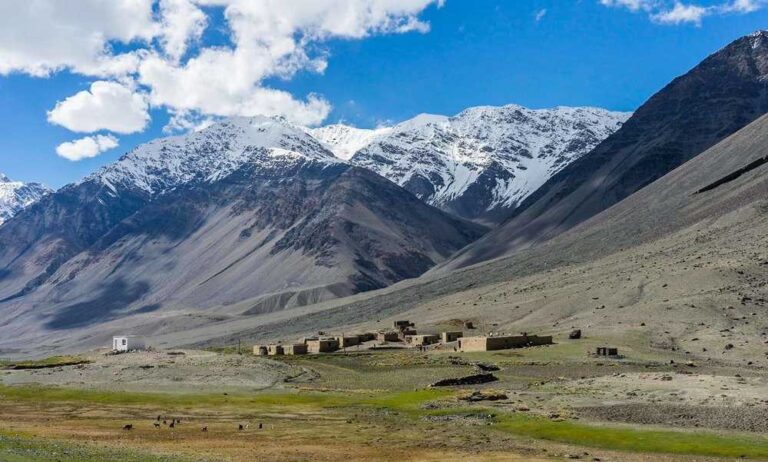
Yousafzai said recent protests in Badakhshan and other parts of Afghanistan could become a source of concern for the Taliban, even though there is currently no highly active and powerful front against the group inside Afghanistan.
He said: “The people inside Afghanistan, as well as Afghan politicians and armed opponents of the Taliban, although currently there is no very active anti-Taliban front inside Afghanistan, but demonstrations in Herat and insecurity in Badakhshan are a beginning that has created concern for the Taliban.”
According to Yousafzai, the current protests will not pose a serious threat to Taliban rule unless they develop into a national uprising.
He said: “I think as long as there is no national political resistance against the Taliban outside the country and it does not find its way into Afghanistan, these kinds of protests in one province, one remote district, or a small and minor armed resistance, not a major confrontation, are a thorn in the side of the Taliban, a concern.”
He did not rule out the possibility that these scattered protests could develop into a broader movement, saying: “It is possible that these small and minor attacks one day turn into a major uprising in non-Pashtun areas against the Taliban.”
Pakistan: From Support to Conflict with the Taliban
Yousafzai also addressed the increasingly tense relationship between the Taliban and Pakistan, saying Islamabad had played an influential role in the formation and support of the Taliban but that serious disputes have now emerged between the two sides.
Explaining the situation, he said: “With Pakistan, I think they had not studied it. They thought that the Taliban reached Kabul with Pakistan’s support. They forgot that over the past 20 years, Pakistan was one of the major supporters and friends of the global war on terror.”
According to Yousafzai, Pakistan pursued a dual policy toward Afghanistan during that period: “Pakistan at that time also had a policy that, on the one hand, it stood with America, and on the other hand, it did not want a national government to be established in Afghanistan. It supported the Taliban. This dual and biased policy of theirs was a major failure for Pakistan.”
He said the Taliban also understood this policy: “When in 2001, after the September attacks, America and all Western countries and NATO attacked the Taliban, the only neighbor of Afghanistan that directly supported America and gave the Americans positions and bases was Pakistan.”
The Afghan journalist believes Pakistan has been one of the major factors behind insecurity in Afghanistan over the past five decades. He said: “The people of Afghanistan have understood that Pakistan has been the biggest factor behind insecurity, war and killing in Afghanistan over the past 50 years; whether when it supported the mujahideen, or after the mujahideen when it supported the Taliban, or after the Taliban when it supported America.”
He described the situation as “a major failure of Pakistan’s policy in Afghanistan”, adding: “Now they are in conflict with the Taliban.”
TTP and Islamabad’s Main Dispute with the Taliban
Yousafzai then discussed the activities of the Tehrik-i-Taliban Pakistan, known as the TTP, and the security disputes between Islamabad and Kabul.
He said: “While the TTP, or Pakistani Taliban, are very active on Pakistani soil, their centers are there, they control areas, it does not burden there.”
He believes the main source of Pakistan’s anger toward the Taliban is that Kabul is unwilling to act according to Islamabad’s demands.
He said: “I think Pakistan’s main anger is why the Taliban do not support their demands.”
In his view, the issue reflects a historical pattern in Pakistan’s relations with Afghan groups: “Every group that has reached Kabul from Pakistan, Pakistan thinks that they should still comply with their demands, accept their demands.”
Yousafzai continued: “When a migrant group or the mujahideen are in Pakistan, naturally they accept Pakistan’s demands more. When they reach Kabul, they become a government and are accountable to the people of Afghanistan.”
He added: “But unfortunately in Afghanistan, the feelings of the Afghan people are anti-Pakistan. They cannot both have a government in Kabul, have a system within the government, and still have good relations with Pakistan.”
Yousafzai stressed: “I think it is a major failure and a depression for Pakistan that Afghanistan is attacked by them, bombed by them and innocent people are killed.”
He continued: “As a result, Pakistan’s problem is Pakistan’s internal problem and the Taliban cannot solve it. Perhaps some TTP leaders may be somewhere in Afghanistan, but Pakistan’s internal problem is much clearer.”
Pakistani Attacks on Afghanistan Will Not Solve Islamabad’s Domestic Problems
Referring to pressure from Pakistan on the Taliban, Yousafzai said: “Then the Taliban have regional control, Pakistan announces that they are on Afghan soil and asks the Taliban to contain them.”
He described the policy as anti-Afghan, saying: “It is absolutely an anti-Afghan policy; meaning their relations with the Taliban are not good.”
He also referred to Pakistan’s policies toward Afghan trade and migrants, saying: “They close trade and very ruthlessly expel Afghans as migrants.”
Yousafzai also pointed to Pakistan’s positions in international forums, saying: “They also campaign against the Taliban in international forums and international organizations, meaning against the group they support.”
He ultimately described the situation as a failure of Pakistan’s policy, saying: “That this too is Pakistan’s failure, Pakistan’s depression, that they were unable to have a friend in Afghanistan.”
Taliban-US Relations: Limited Disputes Alongside Cooperation Against ISIS
In the final part of the interview, Yousafzai discussed relations between the Taliban and the United States, saying that although Washington continues to criticize the human rights situation in Afghanistan, there are contacts between the two sides in certain security areas.
He said: “With America, apparently they always raise the slogan of human rights, but at present we think the Taliban and US intelligence have relations, they are in contact, especially on ISIS and other issues they have meetings with each other.”
Yousafzai believes the United States criticizes the Taliban because of the nature of their government and their lack of global legitimacy, while also taking into account that the Taliban have maintained territorial control over Afghanistan.
He said: “I think America believes that although the Taliban are a very authoritarian government or a government that does not have global recognition, nevertheless the Taliban were able to bring under one system and one security the territory of Afghanistan, which in previous years had never been under one system and one security.”
He added: “For this reason, I think America’s concern about the Taliban is not great, especially in the war against ISIS, the Taliban are very active.”
Yousafzai described the nature of US engagement with the Taliban as follows: “America tells you, or shows the Hazaras, that it is true that you have disagreements with us on some issues, but you started the war against intelligence, against ISIS, and we support you.”
He also pointed to disagreements between Washington and the Taliban over American citizens, saying: “It is true that on the issue of some American hostages, the Taliban have problems. In other countries too, there are Americans who have either been taken hostage or detained.”
He ultimately stressed: “But overall, we think that at present America does not see a serious threat from the Taliban.”
Why Are the Taliban Not Considered a Global Threat to the United States?
Yousafzai believes the United States does not view the Taliban as a global threat comparable to transnational jihadist groups.
He said: “America thinks that the Taliban movement cannot become a global movement that would create problems for Americans.”
According to Yousafzai, the Taliban’s activities remain largely confined to Afghanistan: “Whatever they do is within the internal territory of Afghanistan; because the Taliban’s radiology, the Taliban’s way of thinking, does not have a global vision or a global idea.”
He added: “Because over the past five years it has been proven that no country and no Islamic group in the world, from jihadists or religious groups, supports the Taliban.”
He attributed this to the Taliban’s domestic policies, saying: “Because they are very misogynistic and their laws are very complicated. That is, they do things that are not acceptable to them even in the Islamic world.”
Yousafzai continued: “For this reason, America does not think that it feels a threat from the Taliban, and the reason is that the Islam or ideology that the Taliban implement in Afghanistan cannot become an example for Muslims or jihadist groups in the world or be followed by them.”
He added: “Because it has many problems and is at war with the people of Afghanistan and still has problems with the international community and with its neighbors.”
Yousafzai further stressed: “For this reason, religious and jihadist groups are a threat to America, because the Taliban cannot become a model for Muslims around the world, which is always a problem for Americans.”
He concluded: “For this reason, at present we do not see a serious problem between America and the Taliban, nor do we anticipate one in the future.”
Afghanistan Five Years After the Taliban’s Return
Five years after the Taliban returned to power, Afghanistan continues to present two contrasting realities. On the one hand, the widespread war that had engulfed various parts of the country for two decades has subsided, and the Taliban have managed to maintain control over much of Afghanistan’s territory. On the other hand, sweeping restrictions on women, the elimination of political participation, the weakening of civil society, economic difficulties and the absence of international legitimacy remain major challenges for the Taliban government.
At the regional level, relations between the Taliban and Pakistan, once one of the group’s most important supporters, have entered a period of heightened tension. Disputes over the Tehrik-i-Taliban Pakistan, cross-border attacks, the expulsion of Afghan migrants and trade restrictions have turned relations between Kabul and Islamabad into one of Afghanistan’s most significant regional crises.
Internationally, while Russia has recognized the Taliban government, many countries continue to refrain from formally recognizing the Taliban authorities. At the same time, despite criticizing Taliban policies, particularly regarding human rights and women, the United States continues to closely monitor developments in Afghanistan and the Taliban’s fight against ISIS.
Under these circumstances, Afghanistan’s future will depend to a large extent on the Taliban’s ability to manage internal disagreements, respond to social demands, reduce tensions with neighboring countries and establish a sustainable form of engagement with the international community. Meanwhile, the continuation of local protests, particularly in non-Pashtun areas, could pose a new challenge to Taliban rule if they become linked to a broader political movement.