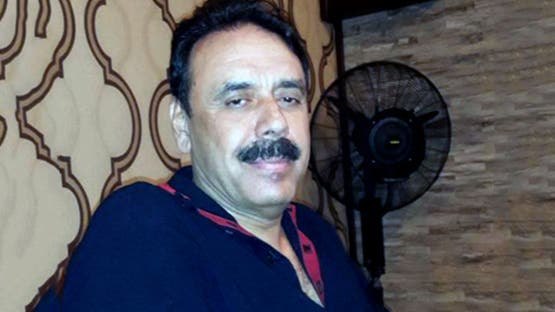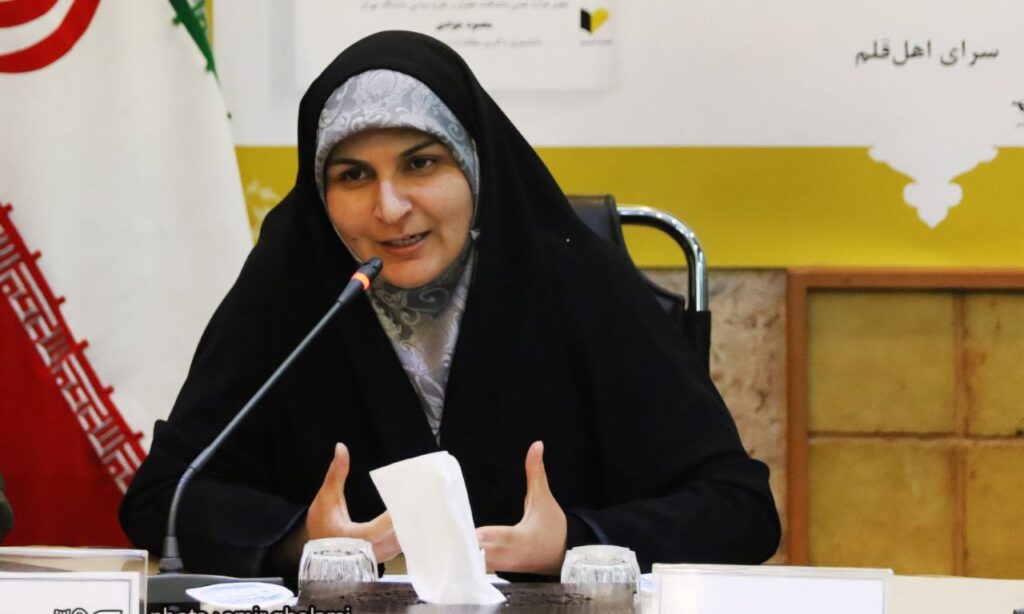
Dr. Bahareh Sazmand, faculty member of the Department of Regional Studies at the University of Tehran and a professional researcher in Southeast Asian studies, said in an exclusive interview with Iraf that the recent war exposed both Iran’s military capabilities and the vulnerability of “rentier states,” and that Tehran’s position in the region’s new security arrangements is likely to strengthen. At the same time, Trump’s trip to China and the gradual reduction of America’s role in the Middle East are signs of a shifting balance of power in favor of the East and the emergence of the “Asian Century.”
U.S. President Donald Trump’s visit to China in May 2026, which was met with a ceremonial yet cold reception by Beijing officials, ended with limited achievements for Washington. Contrary to expectations, Trump’s team — which had described the trip as “breaking the curse of rivalry” and “the beginning of a new era of balance” — ultimately faced negotiations whose outcome demonstrated that Beijing not only refused to grant significant concessions to the United States, but also succeeded in placing Trump in a weaker position than before.
Trump’s visit to China was neither the “deal of the century” nor a “complete failure”; rather, it signaled the end of the era of American unilateralism and the beginning of a new multipolar order. Without offering even a minor concession, China made it clear to Trump that Washington could no longer speak to Beijing “from a position of strength.”
In this regard, an Iraf correspondent conducted an interview with Dr. Bahareh Sazmand, faculty member of the Department of Regional Studies at the University of Tehran and a professional researcher in Southeast Asian studies.
To what extent can Trump’s trip to China shift the global order from West to East, and what impact will it have on America’s strategic alliances with Europe and its Asian allies?
“This trip cannot change the global order, but it may influence future power relations. Trump’s visit to China has more political impact than structural impact. The transition of global order is a long-term process dependent on multiple factors, and a single trip cannot alter it. A transformation in world order depends on technological, military, and economic factors, as well as the alliances of major powers.
It is true that China is recognized as the world’s second-largest economic power and competes with the United States in several indicators — and in some areas even surpasses America, especially in trade. However, in other fields, China still lags significantly behind the United States. For example, in advanced technology, artificial intelligence, and military and financial structures, there remains a meaningful gap between China and the U.S. Global financial, monetary, and economic institutions also continue to operate under American influence. We must acknowledge that the United States still possesses the world’s largest security alliances and military power, while China lacks such capacities. Therefore, any transfer of power will be a time-consuming process. Nevertheless, China is emerging in the global power game and is signaling this reality to the world through such moves.”
Assuming the war ends, what position will Iran occupy in the new regional and international arrangements, and how will rival actors — Saudi Arabia, Turkey, and the Zionist regime — react to this position?
“We are likely to witness a new security realignment in the region because this war revealed Iran’s military capabilities on one hand and the growing vulnerability of the Gulf states on the other. As a result, Iran’s role and power within future security arrangements will increase. The region’s rentier states believed that oil revenues and American military bases guaranteed their security, but reality demonstrated that these factors actually intensified insecurity and created concerns among foreign investors in those countries.”
Is Europe’s current energy crisis a sign of the structural decline of Western power, or merely a temporary fluctuation? And how might energy-producing countries (Russia, Saudi Arabia, Qatar, etc.) and major consumers (China, India) exploit this situation in favor of a new energy order?
“In my opinion, this issue is temporary and cyclical in nature. Not only Europe, but also East and Southeast Asia are facing similar conditions. Consumer countries within the framework of the Global South can align energy-producing states with themselves and work toward the 21st-century vision of the ‘Asian Century’ and the rise of the Global South. In doing so, they can emerge as a global power pole capable of challenging Western hegemony.”