Zabihullah Mujahid, the Taliban spokesperson, reacted to the widespread criticism of the newly approved family rights regulations in an interview with the state television controlled by the group, emphasizing that these regulations were drafted based on Islamic Sharia and Hanafi jurisprudence.
Rejecting concerns about the prohibition of separation between husband and wife under certain circumstances, the Taliban spokesperson said: “These protests are raised by enemies and some foreign institutions, and they have no importance for us whatsoever.” He added that the Taliban government is committed only to religious rulings and will pay no attention to foreign pressure.
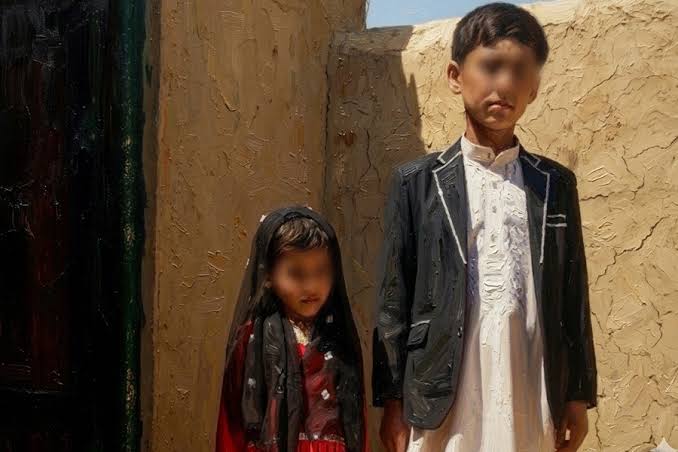
In another part of the interview, Mujahid stated regarding child marriage: “The marriage of a girl and boy by the father or grandfather, based on Hanafi jurisprudence, is completely legitimate and enforceable. No one has the right to deny it.”
According to what the Taliban say, the marriage of girls below the legal age, with the permission of the father or grandfather, faces no obstacle. Women’s rights activists oppose this type of marriage and consider it “child marriage.”
This comes while, recently, parts of the Taliban’s regulations have been criticized by women’s and children’s rights activists. One section of these regulations states that the silence of a virgin girl is considered consent to marriage. Critics also say that granting authority to fathers and grandfathers over children under the age of 18 could pave the way for child marriage.
Yasmin Ghiasi, head of the Afghanistan Women’s Freedom and Thought Foundation, condemned these regulations and believes that such measures by the Taliban could turn child marriage into a legal practice. She described these laws as contrary to humanitarian standards and unjust.
The international organization Girls Not Brides also issued a similar reaction, saying that the Taliban have intensified the risk of worsening child marriage in Afghanistan.