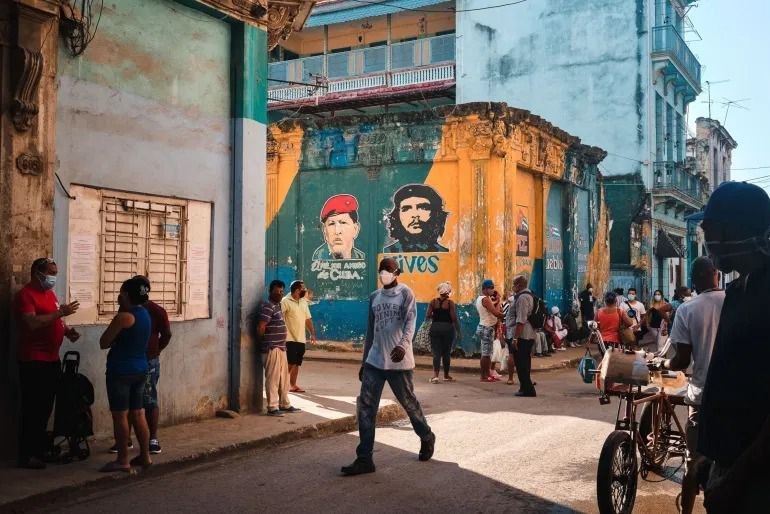
According to Iraf, reports from Havana indicate that gas stations are practically dry, and long lines of vehicles in front of the few operating stations have become a daily scene in the capital.
Cuban officials have stated that the country’s diesel and fuel oil reserves have been depleted, making it extremely difficult to supply fuel even for critical sectors.
The crisis has severely disrupted public transportation; many buses have ceased operations, and taxis are functioning only with limited quotas.
Urban services, ambulances, and even the daily activities of citizens are directly affected by this shortage.
Havana authorities stress that U.S. sanctions and the economic blockade have severely constrained Cuba’s energy supply, effectively preventing the purchase and import of fuel.
They assert that Washington’s pressures have targeted the country’s energy supply chain, and the current crisis is a direct result of these policies.
Reuters also reported that the energy crisis has intensified the economic pressure on the Cuban people, with many families now facing high transportation costs and reduced public services.
The report adds that the fuel shortage has led to reduced working hours, the closure of some service centers, and rising social dissatisfaction.
Energy experts in Havana warn that if the current trend continues, the country may face a complete paralysis of its transportation sector—a situation with far-reaching economic and social consequences.