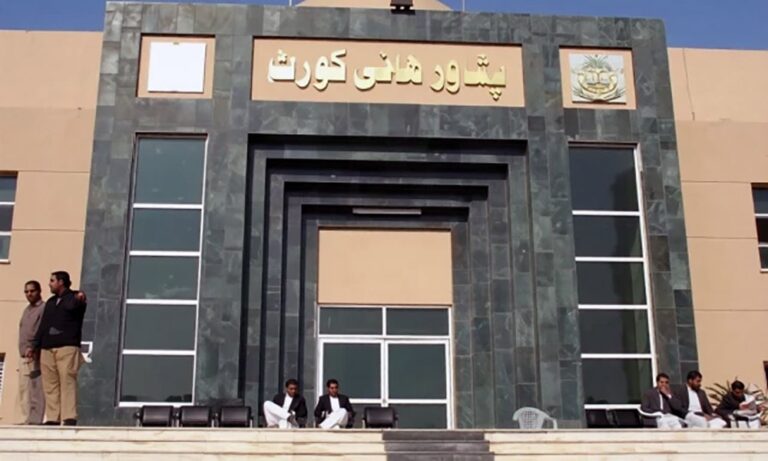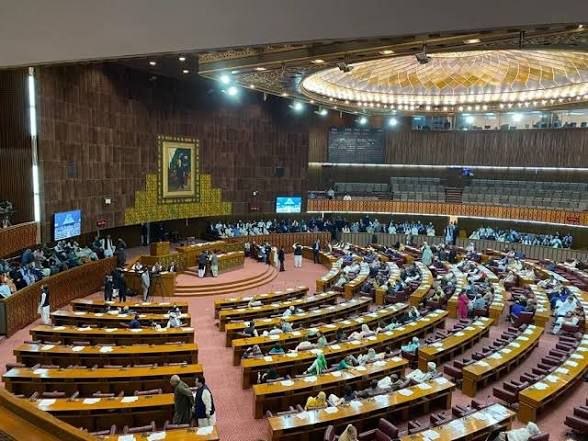
According to Iraf, the recent Senate session in Pakistan was marked by a heated atmosphere and a sharp exchange between ruling and opposition members.
At the beginning of the session, Atta-ur-Rehman strongly criticized the government’s performance, saying officials are trapped in bureaucracy and political disputes while leaving public security unattended.
He emphasized that Khyber Pakhtunkhwa faces daily bloodshed and new attacks, while the government remains focused on legislation and political issues, resulting in citizens paying the price of negligence and inaction.
His remarks were immediately met with a strong response from Rana Sanaullah, a prominent figure in the ruling camp.
He rejected the criticism, saying that opponents are exaggerating security problems for political gain and that the government is actively confronting real threats.
Sanaullah further stated that many of the attacks in Khyber Pakhtunkhwa have a “cross-border” origin, claiming that around 8,000 armed individuals are being trained inside Afghanistan to carry out operations against Pakistan, allegedly with financial support from India and Israel.
The intensity of the verbal clash became so high that the Senate chairman had to repeatedly call for calm, and after several minutes of tension, the session returned to normal proceedings.
Rising Insecurity in Khyber Pakhtunkhwa
In recent months, Khyber Pakhtunkhwa has witnessed a significant increase in armed attacks, roadside explosions, assaults on security posts, and nighttime ambushes.
In areas such as Waziristan, Bajaur, Swat, and Dir, security forces have repeatedly come under attack by militant groups, leading to rising casualties among police and military personnel.
Pakistani analysts say the resurgence of armed group activity, weak security coordination, and border conditions have turned the province into one of the country’s most challenging regions.
Repeated Islamabad Claims Against Afghanistan
In recent months, Islamabad has repeatedly accused Kabul of providing safe havens for elements of the Tehrik-i-Taliban Pakistan, claiming that some attacks are planned across the border.
Pakistani officials say Kabul must take stronger action to prevent such groups from operating and insist that part of the insecurity in Khyber Pakhtunkhwa originates from Afghan territory.
Response from the Afghan Taliban
However, the Taliban in Afghanistan have consistently rejected these allegations. Their spokespersons insist that Afghan territory will not be used against any country and that Pakistan must resolve its own internal security problems within its borders.
They describe Islamabad’s claims as political and lacking credible evidence, arguing that Pakistan is attempting to shift responsibility for its internal security failures onto Afghanistan.