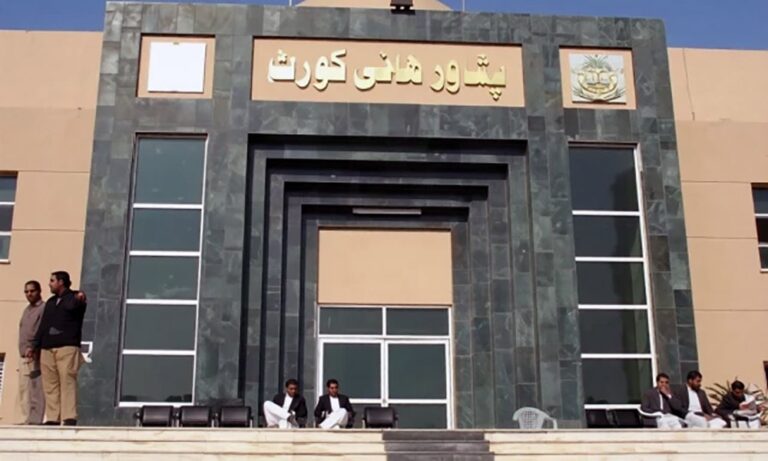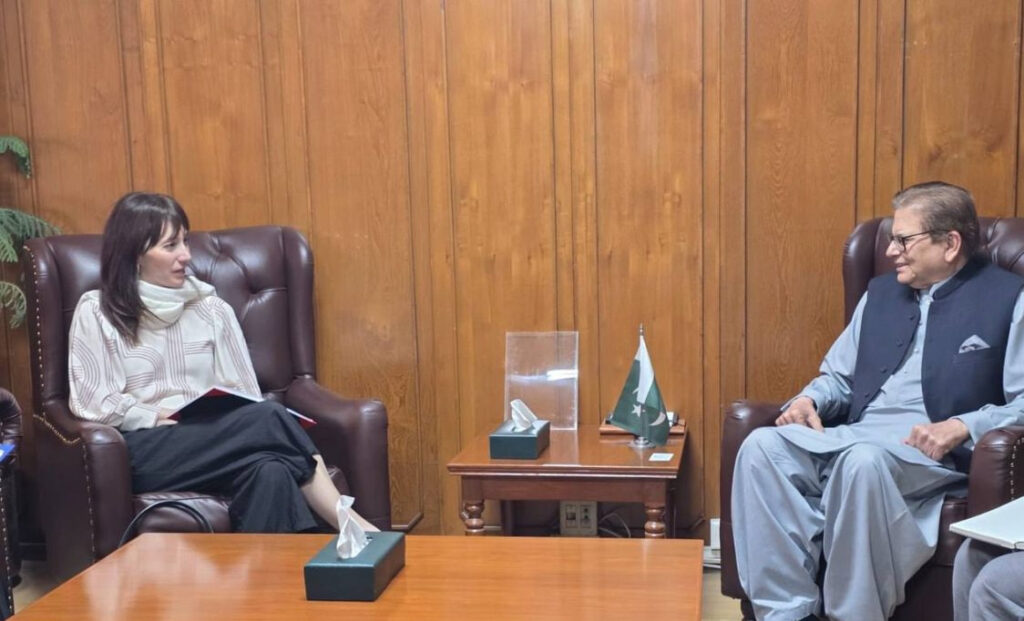
According to Iraf, diplomatic officials in Islamabad today (Wednesday, May 13), during a meeting between Sadiq Khan and Gemma Huggins, outlined new dimensions of security challenges along the shared borders. During the meeting, the Pakistani side expressed concern over the multinational composition of groups based in Afghanistan, claiming that these groups have affected not only the security of neighboring countries but also international stability. Sadiq Khan also welcomed the recent decision by the Australian government to designate the Balochistan Liberation Army (BLA) as a terrorist organization, describing it as a step toward strengthening global cohesion in the fight against terrorism.
Afghanistan and Pakistan; A Deadlock in Security Narratives
The Pakistani official’s remarks regarding the presence of nationals from different countries within Afghanistan’s geography reflect the continuation of the gap in security narratives between Islamabad and the Taliban government in Kabul. From a strategic perspective, Pakistan, by raising these claims at international levels, seeks to place responsibility for border insecurity on security shortcomings inside neighboring Afghan territory. This comes as tensions between Kabul and Islamabad stem from attacks that Pakistan claims are directed from Afghan soil; allegations that Taliban officials have consistently rejected, instead attributing the roots of the problems to Pakistan’s internal issues while emphasizing that Afghan territory will not be allowed to be used against others.
Diplomacy and International Law; Seeking Support from Extra-Regional Actors
Pakistan’s efforts to align countries such as Australia with its position on sensitive security cases like the Balochistan Liberation Army demonstrate Islamabad’s strategy to internationally delegitimize armed opposition groups. Pakistan believes that without global consensus regarding the nature of these groups, managing the crisis in its border provinces will remain difficult. Australia’s alignment with Pakistan’s stance on this issue could become a turning point in Islamabad’s security diplomacy aimed at encouraging other Western countries to reconsider regional terrorist organization lists.
Implications for Stability Within the Regional Sphere of Influence
Field realities indicate that security on both sides of the Afghanistan–Pakistan border is deeply interconnected. Claims regarding the presence of armed elements of diverse nationalities sound alarm bells for all regional actors and highlight the necessity of moving beyond mutual accusations toward technical and security cooperation. In this environment, bilateral security models will only be effective if Kabul and Islamabad reach a shared understanding of what constitutes a “threat”; otherwise, the continuation of this divergence could seriously disrupt economic integration and regional transit projects.