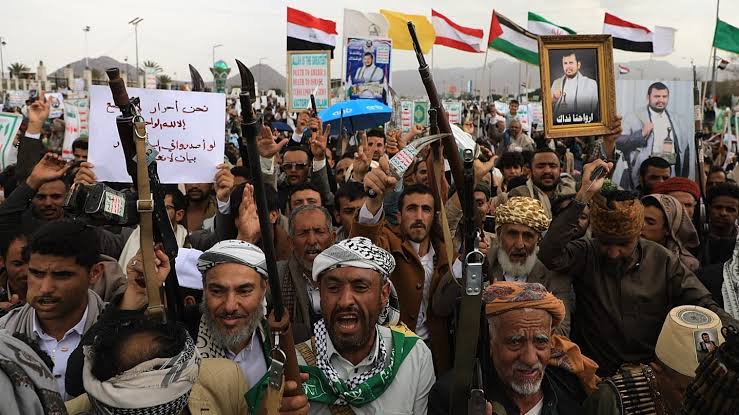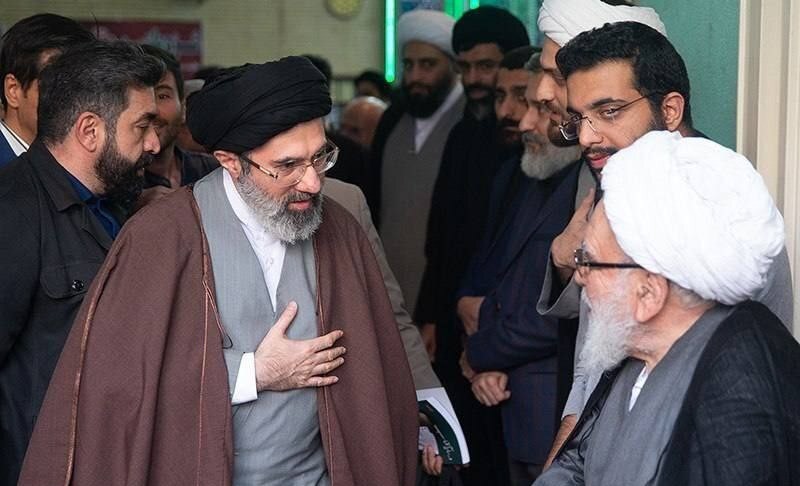
Tehran-IRAF- the selection of Ayatollah Seyyed Mojtaba Khamenei as the new leader of Iran—at a time when the region is grappling with numerous challenges has sparked new hopes and expectations among various Afghan personalities.
On the one hand, this development serves as a moment of consolation over the loss of the martyred leader of the Revolution, and on the other hand, it signals the possibility of new approaches in Iran’s domestic and foreign policies. The reactions expressed highlight the importance of Iran’s role in regional developments and the influence of its leadership on the fate of neighboring countries, especially Afghanistan.
Taliban: Iran Will Stand Firm Against Foreign Aggression Under Its New Leadership
Rahmatullah Faizan, Deputy Representative of the Taliban’s Ministry of Foreign Affairs in Herat, stated in a message that the selection of Ayatollah Seyyed Mojtaba Hosseini Khamenei represents the continuation of the Iranian nation’s resistance against foreign aggression.
He emphasized that a change in leadership does not signify the end of a nation’s will, stressing that the Iranian people will remain as steadfast as Mount Damavand in the face of foreign aggression. This message reflects the importance of Iran–Afghanistan relations and the Taliban’s hope for the continuation of the Islamic Republic’s supportive policies toward Afghanistan.
Mohammad Na’eem Hanafi Wardak, the Taliban’s Deputy Minister for Financial and Administrative Affairs at the Ministry of Foreign Affairs, also congratulated the new leader and wished him success in carrying out this important responsibility. He expressed hope that through wisdom and prudent management, he would safeguard the country’s interests and stability.
Congratulations and Hopes from Prominent Afghan Figures
Molawi Habibullah Hesam, head of the Islamic Brotherhood Council of Afghanistan, also congratulated the Iranian nation and government on the selection of Ayatollah Seyyed Mojtaba Khamenei. He expressed hope that the leader would enjoy a blessed and fruitful life devoted to serving Islam, the homeland, and the realization of the ideals of the martyred Imam.
Ja’far Mahdavi, a former member of the Afghan parliament, also described the selection of Ayatollah Seyyed Mojtaba Khamene’i as a victory for the legitimacy of Iran’s stance, while criticizing the policies of the United States and the Zionist regime.
Meanwhile, the National Convergence Movement of Afghanistan and the Supreme Council of Resistance for the Salvation of Afghanistan expressed condolences for the martyrdom of Grand Ayatollah Seyyed Ali Khamene’i and congratulated the appointment of the new leader.
Sunni Migrants Declare Allegiance to the New Leader
The Supreme Council of Scholars and Elites of Sunni Migrants residing in the Islamic Republic of Iran, together with the “International Islamic University of Al‑Noor,” issued a joint statement announcing their allegiance and support for the leadership of Ayatollah Seyyed Mojtaba Hosseini Khamenei.
The statement, citing religious principles and responsibilities, described the new leadership as a continuation of the path of resistance, a guardian of the dignity of the Islamic Ummah, and a guide for the broader front against global arrogance and international Zionism. This move demonstrates the depth of religious and cultural ties between Afghan migrants and the Islamic Republic of Iran.
Reactions from Afghan Political Activists
Molawi Habibullah Hesam, one of Afghanistan’s prominent religious figures, was among the first to congratulate the Iranian nation and government on the selection of Ayatollah Seyyed Mojtaba Khamene’i. Expressing hope for a long and blessed life dedicated to Islam and the homeland, he emphasized the importance of standing firm against the enemies of the Islamic Ummah.
His congratulatory message reflects Iran’s influence among Afghanistan’s religious communities and highlights the importance of unity and cohesion in the face of shared threats. Beyond a ceremonial message, it also carried a strategic signal: the need for solidarity to confront the challenges ahead.
Hesam’s congratulation to the new leader of Iran was not merely a formal message; rather, it reflected a deep understanding of regional conditions and Iran’s pivotal role in regional power dynamics. At a time when Afghanistan is facing numerous security and economic challenges, Iran’s support and cooperation can play a significant role in the country’s stability and development.
By emphasizing resistance against the enemies of the Islamic Ummah, Hesam pointed out that the challenges facing Afghanistan and Iran stem from foreign conspiracies, and that only through unity and solidarity can these challenges be overcome.
Kabir Haqmal, an Afghan political activist, also emphasized the importance of decisive leadership in the current sensitive regional conditions. His view suggests that the selection of Ayatollah Seyyed Mojtaba Khamenei is not merely a domestic choice but a strategic decision with regional consequences.
At a time when the region faces numerous crises—including terrorism, proxy wars, and foreign interference—the need for strong and determined leadership has become more apparent than ever.
Haqmal’s emphasis on the “sensitive regional conditions” illustrates that the selection of Iran’s new leader did not occur in a vacuum. The Middle East has witnessed significant developments in recent years, each capable of profoundly influencing the destiny of regional countries. Therefore, selecting a strong and experienced leader can play an important role in maintaining regional stability and security.
By referring to the “decisive approach of the new leader,” Haqmal suggested that Iran under the new leadership will continue to protect its national interests and confront external threats.
Veterans, wounded fighters, families of martyrs, and supporters of the Fatemiyoun movement also congratulated the selection of the new leader of the Islamic Revolution. In the current circumstances of Islamic Iran, they reaffirmed their solidarity with the Iranian people. They stated that the news of Ayatollah Seyyed Mojtaba Khamenei’s selection as the Leader of the Islamic Revolution has brought joy to the hearts of the Ummah and strengthened hope among those who believe they will ultimately inherit the earth.
Declaration of Allegiance by the National Welfare Party and the Moderation Party of Afghanistan
Mohammad Hassan Jafari, Secretary‑General of the National Welfare Party of Afghanistan, issued a statement expressing condolences over the martyrdom of Grand Ayatollah Imam Khamenei and declaring his allegiance to Ayatollah Seyyed Mojtaba Hosseini Khamenei as the new Leader of the Islamic Revolution. He described the selection as a strong blow against global arrogance.
This declaration reflects the depth of relations between some Afghan political parties and Iran, as well as their belief in Iran’s leadership role in confronting global arrogance.
The pledge of allegiance by the National Welfare Party is also a symbolic act carrying significant political messages. It shows that some Afghan political parties view Iran as a strategic ally in resisting global domination.
By describing the selection of Ayatollah Seyyed Mojtaba Khamenei as “a blow to global arrogance,” Jafari suggested that Iran’s new leadership will aim to weaken the influence of hegemonic powers in the region.
The Moderation Party of Afghanistan also congratulated the people of Iran and freedom‑seekers around the world, stating that the selection has revitalized the spirit of the Islamic Ummah and eased the grief caused by the loss of the martyred leader. The party declared its firm support for the new leadership and wished him success and honor.
Its message indicates that the selection of Ayatollah Seyyed Mojtaba Khamenei has been welcomed not only in Iran but also across the region.
By referring to the “renewal of the spirit of the Islamic Ummah,” the party suggested that the selection could revive hope among Muslims and freedom‑seekers worldwide. Its declaration of “firm adherence to the new leadership” reflects its belief in Iran’s role in supporting liberation movements in the region. The party’s wishes for the success and honor of Iran’s new leader also demonstrate optimism regarding the future of Iran–Afghanistan relations.
The selection of Ayatollah Seyyed Mojtaba Khamenei as the new Leader of the Islamic Republic of Iran has generated widespread reactions among various groups and segments of Afghan society. Messages of congratulations and support from the Taliban, prominent religious figures, political activists, and Sunni migrants highlight the importance of Iran–Afghanistan relations and the expectation that the Islamic Republic will continue its supportive policies toward Afghanistan.