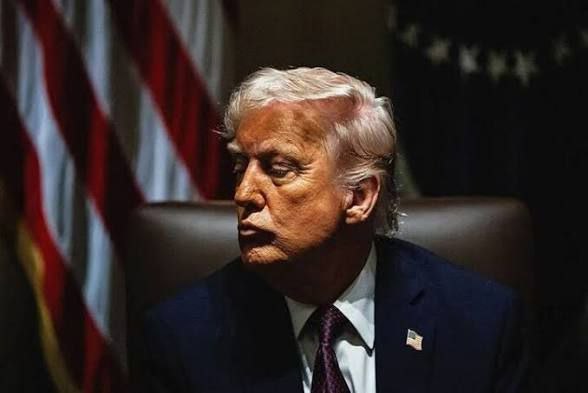
U.S. President Donald Trump has attempted to project confidence by claiming the Strait of Hormuz will soon reopen and threatening unprecedented military action against Iran, even as reports of dwindling U.S. missile stockpiles and Iran’s continued control over the strategic waterway have cast doubt on Washington’s narrative.
According to IRAF, Trump told Fox News that the United States had held “very good” talks with Iran and claimed the Strait of Hormuz would reopen soon.
His remarks came despite earlier reports by U.S. media citing Iranian officials’ rejection of any direct meeting with Washington and describing confusion within the White House over contacts with Tehran. Trump himself appeared to acknowledge the contradiction, saying, “We say we had talks, but they say there was no meeting.”
Facing reports by Western media about critical shortages in U.S. air-defense missile inventories, Trump sought to dismiss concerns by claiming Washington had been prepared to launch what he described as “the biggest attack since World War II.” He further alleged that Iran had reached out to request talks, a claim that has not been substantiated by Tehran.
Trump also renewed military threats, saying the United States would deliver “a very hard blow” if no agreement were reached, despite growing concerns among Washington’s regional partners over the potential consequences of any new military escalation for global energy security and regional stability.
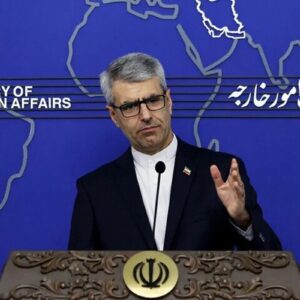
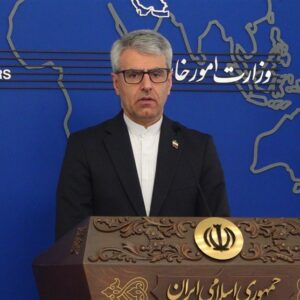
Meanwhile, developments on the ground suggest that Tehran continues to hold the initiative over the Strait of Hormuz. Iranian Foreign Ministry spokesperson Esmail Baghaei rejected Trump’s narrative, saying Iran and Oman were continuing technical and political consultations aimed solely at establishing a temporary and secure maritime route while fully preserving Iran’s sovereignty and national security.
Baghaei stressed that the discussions were limited to navigation arrangements between the two coastal states and bore no connection to what he described as Washington’s political demands or claims.
The latest exchange underscores the widening gap between Washington’s public messaging and Tehran’s account of developments surrounding both diplomatic contacts and the future of navigation through one of the world’s most strategically important waterways.