According to Iraf, Pakistani critics in Afghanistan argue that the history of the past five decades shows that the Pakistani government has never been content with an independent, free, and strong neighbor. Instead, it has sought to establish a dependent, weak, and Islamabad-compliant government in Kabul.
Fear of a “Strong State”: Islamabad’s Strategic Dilemma
These observers believe that over the past 50 years, the ISI has designed and executed numerous overt and covert operations against Afghanistan. The goals of these operations have never been hidden: preventing the emergence of an independent and strong government in Kabul.
Afghan analysts contend that Pakistan desires a “weak Islamic state” to its east—a government that accepts the Durand Line, never allies with India, maintains cold relations with other neighbors, and serves as Pakistan’s “strategic depth” against India.
Importantly, these analysts note that whenever groups inside Pakistan act against this strategy or support Kabul’s independence, the ISI intervenes and disrupts them by any means. The same applies to actors within Afghanistan, with the difference that if anyone inside Afghanistan acts contrary to Pakistan’s wishes, they are almost certainly targeted by ISI-backed operatives. In essence, the ISI is far more powerful inside Afghanistan than within Pakistan itself.
From the “Haqqani Network” to “Low-Cost” Media Wars
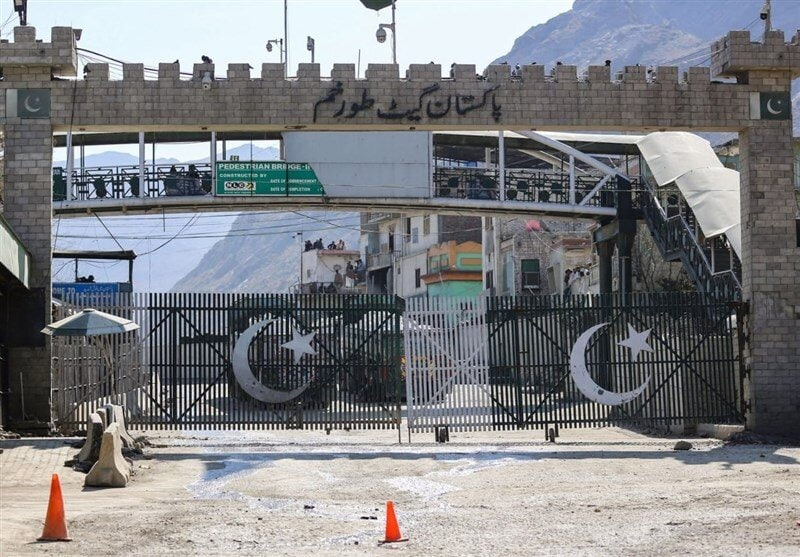
Analysts argue that the ISI has consistently used two levers against Kabul’s rulers: on one hand, “cold warfare” via proxy groups, and on the other, “soft warfare” using thousands of fake accounts and false news. Additionally, at various times, it has leveraged other tools such as refugees, raising trade tariffs, and closing the Torkham gate.
Deception Operations: From Diplomacy to Sabotage
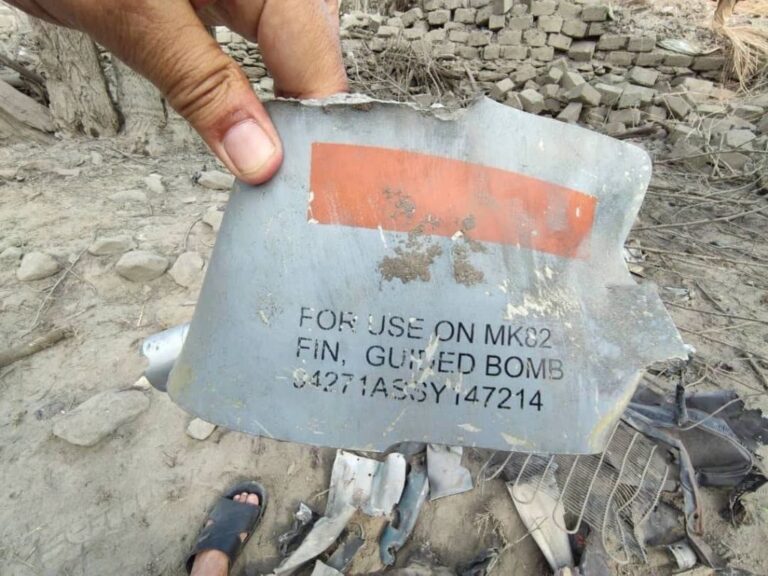
After the Taliban came to power, Faiz Hameed, former ISI chief, with a cup of coffee in hand in Kabul—then considered Pakistan’s backyard—expressed satisfaction with the developments. This image sent a clear message to the previous government’s leaders: Pakistan considered itself victorious. However, as the Taliban gradually pursued independence—a move reportedly displeasing to the ISI—new measures were undertaken: inviting Taliban opponents (leaders of the previous government), conducting airstrikes, and instilling fear in Kabul.
Analysts believe Pakistan remains dissatisfied with the Taliban’s approach, and the TTP (Tehrik-i-Taliban Pakistan) serves merely as an excuse to pressure the Taliban, not the entirety of Pakistan’s expectations from them and Afghanistan under Taliban control.
Critics point out that recent developments clearly reveal ISI’s footprints in Facebook and Twitter disputes, a pattern observed for years in issues related to Pakistan.
Interestingly, in recent weeks, Pakistani media launched extensive campaigns claiming that “fake accounts from Afghanistan and India are operating against Pakistan.” Pakistani security authorities asserted they had identified dozens of fake accounts spreading anti-Pakistan content.
However, critics argue the reality is quite different. They claim that Pakistan itself has long used social media as a tool to destabilize Afghanistan. In one exposed operation, dozens of fake-identity accounts were managed from inside Afghanistan to serve Pakistan’s interests.
According to these observers, this behavioral duality—simultaneously playing the “victim” while being the “agent of instability”—is Islamabad’s longstanding pattern.
Neighbor or Enemy?
Critics summarize the answer to this question in one word: fear. Pakistan fears three main things:
- Fear of “Pashtunistan”: Any independent and strong government in Kabul could revive aspirations for an independent Pashtun state on both sides of the Durand Line.
- Fear of “India’s Breathing Space”: Pakistan does not want India to gain access to Central Asia through Afghanistan.
- Fear of the “Boomerang Effect”: The same groups that the ISI nurtured for years against Afghanistan have now returned as the Tehrik-i-Taliban Pakistan (TTP) against Islamabad itself.
Analysts emphasize that Pakistan has never been a “good neighbor” to Afghanistan, not due to military weakness, but because of fear of a strong and independent neighbor. The ISI manages this fear through intelligence, military, security, and political tools.
From the perspective of experts opposing Pakistan’s policies in Afghanistan, as long as Pakistan keeps this fear at the core of its foreign policy, its operational approach will not change significantly. Whether it is a republic, the Taliban, or any independent government, the ISI views them as a threat and an enemy. This fear is not only of an independent and strong Afghanistan but is rooted in Pakistan’s very foundation; the country was created from the outset based on fear of neighbors and powerful states, shaping the principles of its foreign policy.