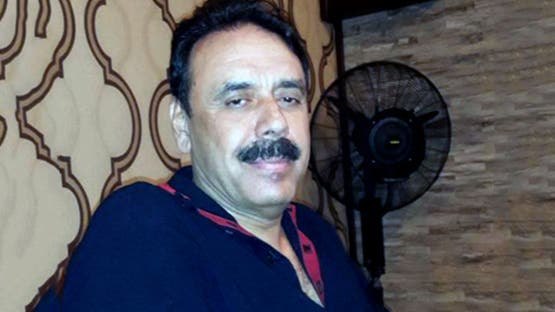
According to Iraf News Agency, Achakzai wrote in his message that, the Taliban forces had “exhumed the body of a Tajik fighter and desecrated it,” an act that, he claimed, has created “a deep sense of humiliation and anger among Tajiks.” He also alleged that the Taliban had violently suppressed protests in Tajik-majority areas against the one-sided exploitation of local resources, such as minerals.
He believes, these actions have pushed the ethnic divide in Afghanistan to the brink of an explosion, likening it to “a ticking time bomb” that could go off at any moment. He warned that if this situation continues, “Afghanistan will head towards structural collapse.”
Achakzai further highlighted the vast mineral resources of Afghanistan and warned that “internal instability will create an opportunity for foreign powers and proxy wars to increase their influence in the region.” He also referenced Somaliland’s transition to an independent political unit, asserting, “If Somaliland can become an independent political entity, so too can Khorasan. When a government fails to secure the rights of its ethnic groups, disintegration is not far off.”
Rising Tensions in the North
In recent months, multiple reports from within Afghanistan have highlighted the increasing tension between the Taliban and the Tajik community in the northern and northeastern provinces. Some reports have indicated that the Taliban has carried out widespread arrests, house demolitions, and severe restrictions on movement in Tajik-majority areas, including Badakhshan, Takhar, and Panjshir. These actions have sparked strong reactions from Tajik activists on social media.
Local sources from Badakhshan and Takhar have also reported that the Taliban has taken control of gold, lapis lazuli, and other mineral resources in these areas, preventing local communities from participating in the management or exploitation of these resources.
This has led to sporadic protests in some villages, which, according to witnesses, the Taliban has brutally suppressed.
In addition, Afghan media outlets have repeatedly reported that the Taliban’s treatment of resistance forces in Panjshir and Andarab, especially their handling of the bodies of murdered Tajik fighters, has further heightened ethnic sensitivities and anger among the Tajik community.
Several Afghan analysts have also warned many times to regional media outlets that the concentration of power in the hands of one ethnic group, coupled with the systematic marginalization of other ethnic groups such as Tajiks, Uzbeks, and Hazaras, has deepened ethnic divides. This is increasing the risk of long-term instability in the country.