According to IRAF News Agency, Afghanistan stands at a critical stage of development—one in which it must boost productivity, ensure food security for its population, and become more resilient to climate change. Achieving these ambitious goals is not possible without the adoption of modern technologies and the exchange of knowledge with leading countries.
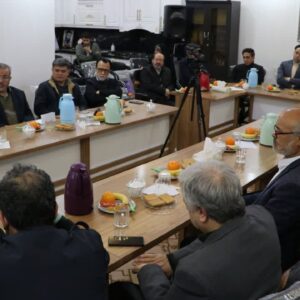
In this context, the visit of a high-level agricultural delegation of Taliban administration to Tehran, and their visit to the 10th International Agriculture Exhibition, is seen as a significant development. The trip provides an opportunity to initiate technology-based cooperation between the two countries. At the exhibition, the Afghan delegation became familiar with Iran’s achievements in modern agriculture, including advanced greenhouse cultivation and smart irrigation systems.
Given Afghanistan’s serious challenges in irrigation infrastructure, water resource management, and access to technology, cooperation with Iran could open a new pathway for increasing agricultural output and strengthening the country’s food security.
Afghanistan’s Agriculture After Recent Developments
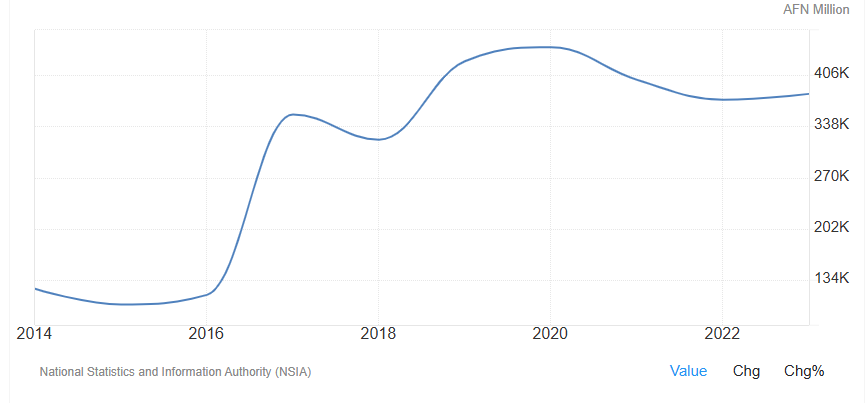
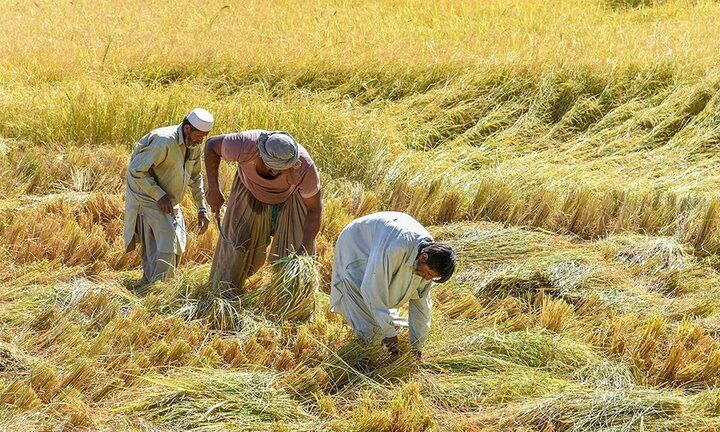
According to World Bank statistics, Afghanistan’s agricultural sector has experienced relative growth. The gross domestic product of this sector increased from approximately 373 billion afghanis in 2022 to more than 381 billion afghanis in 2023. This growth can be attributed to factors such as the expansion of cultivated land and a relative improvement in security following the Taliban’s return to power.
However, widespread infrastructural problems—including weak irrigation systems, a shortage of storage facilities, and transportation challenges—have prevented the full utilization of these capacities. Under such circumstances, regional cooperation with Iran could help develop infrastructure and facilitate the transfer of much-needed technologies.
Iran–Afghanistan Cooperation: Transition from Traditional to Modern Agriculture
In recent years, Iran has brought about a remarkable transformation in its agricultural sector by relying on domestic capacities and knowledge-based companies, moving from traditional methods toward a high-productivity agricultural model. This transition has been achieved through innovations in water-scarcity management, Iran’s emergence as a regional exporter of modern irrigation equipment, self-sufficiency in seed production, and a shift toward bio-fertilizers and advanced post-harvest technologies such as modern cold storage facilities and innovative packaging. These developments have significantly reduced agricultural product losses.
Taken together, these achievements have provided a pragmatic, climate-adapted model—particularly suited to Afghanistan—and have positioned Iran as a strategic partner in the country’s agricultural sector. Iranian technologies, in addition to being more compatible with Afghanistan’s environmental conditions, are also more cost-effective than Western alternatives. Within this framework, active engagement between the private sectors of both countries and the transformation of memoranda of understanding into practical contracts have initiated a process of deep transformation in Afghanistan’s agriculture.
In recent meetings between senior officials of the two countries, including deputy ministers of Iran’s Ministry of Agriculture Jihad and Afghanistan’s Ministry of Agriculture, Irrigation and Livestock, emphasis has been placed on expanding bilateral cooperation in the fields of agriculture, modern irrigation, and livestock. The main issues of these discussions have included the exchange of technical expertise, facilitation of private sector investment, and accelerating the transit of agricultural products.
Iran’s Key Capacities for Modernizing Afghanistan’s Agriculture
Iran’s capacities and experiences in high-productivity agriculture can provide a solid foundation for the modernization and upgrading of Afghanistan’s agricultural sector:
- Efficient Water Management and the Development of Modern Irrigation
Iran has long faced water scarcity and has therefore accumulated extensive experience in the sustainable management of water resources and in improving water-use efficiency. The implementation of nationwide projects to equip millions of hectares of farmland with drip and pressurized irrigation systems is regarded as a key tool for reducing water consumption and increasing crop yields. Transferring this technical knowledge and practical experience to Afghanistan could play a vital role in improving water resource management and agricultural production in the country.
- Mechanization and Agricultural Machinery Production Capacity
With several decades of experience in manufacturing tractors and agricultural machinery, Iran has taken significant steps toward mechanizing the stages of plowing, planting, cultivation, and harvesting. The operation of factories such as “Tabriz Tractor Manufacturing Company” demonstrates Iran’s considerable capacity to supply modern equipment. Transferring this experience to Afghanistan—through technological cooperation, joint machinery production, and the training of skilled labor—would significantly increase labor productivity and output per unit of land.
- Extraterritorial Cultivation
In light of increasing constraints on domestic resources, Iran has pursued extraterritorial cultivation as a strategy to enhance its food security. In this context, in 2025, the Governor of South Khorasan Province announced that a preliminary agreement had been reached with Taliban officials to implement an extraterritorial cultivation project in Afghanistan. The objective of this initiative is to encourage investment by Iran’s private sector in Afghanistan and to utilize the country’s soil, water resources, and young labor force.
Roadmaps for Future Cooperation
To ensure the sustainability of these partnerships, the following strategic measures are recommended:
- Establishing joint agricultural technology centers in Kabul and Afghanistan’s border provinces
- Expanding modern greenhouse farming through the use of advanced cultivation methods
- Training specialized personnel for the installation, maintenance, and repair of modern agricultural equipment
These forms of cooperation will not only increase production and productivity but also create a successful model of regional partnership and strengthen Iran’s position as an exporter of agricultural technology in the region.
Conclusion
Overall, Iran’s successful experience in modernizing agriculture has placed the country in a unique position to play a pivotal role in the development of Afghanistan’s agricultural sector. The recent visit of a high-level Afghan delegation is a sign of the beginning of a deep transformation process in Afghanistan’s agricultural structure through technology transfer and joint cooperation with Iran, cooperation that could ultimately lead to the sustainable of Afghanistan’s food security.