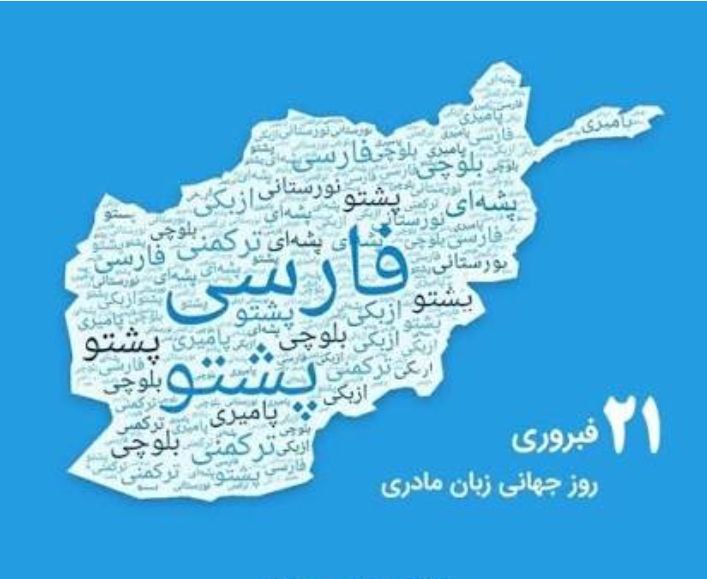
Tehran- IRAF- UNESCO issued a statement marking 21 February, emphasizing that with the rising disappearance of languages worldwide, linguistic diversity is facing an escalating risk.
Khaled Al-Anani, Director-General of UNESCO, said in his message: “On International Mother Language Day, UNESCO calls for investment in language transmission, placing youth at the heart of solutions. Linguistic diversity is the foundation of peace, dignity, and inclusion, and no voice should be absent from the story of humanity.”
He stressed the importance of multilingual education and noted that preserving cultural and linguistic differences fosters tolerance and mutual respect in sustainable societies.
UNESCO also reported that globally, 40 percent of people do not have access to education in a language they understand or speak.
International Mother Language Day was adopted at the UNESCO General Conference in 1999 and has been celebrated worldwide since 2000. The day aims to honor linguistic and cultural diversity and promote education in one’s mother tongue as a fundamental right for communities.
However, UNESCO has highlighted progress in multilingual education, particularly at the primary school level.
Concerns Regarding Afghanistan
Afghanistan, a multilingual and multicultural country, has historically enjoyed rich linguistic diversity.
Yet cultural observers and activists warn that following the Taliban’s return to power, this diversity is increasingly at risk, with speakers of certain languages facing greater restrictions in preserving their linguistic heritage.
Eliminating Persian and Uzbek: From Samangan to Jowzjan
Since coming to power, the Taliban have removed Persian and Uzbek from signs and official documents in various provinces, emphasizing Pashto.
Examples include the removal of Persian from signs at the Takhar Provincial Anti-Narcotics Department and the Abu Ali Sina Balkhi Specialized Clinic.
Taliban-appointed officials also altered the entrance sign of Samangan University in northern Afghanistan, removing Persian and Uzbek and leaving only Pashto and English. Previously, the sign displayed the university’s name in four languages: Persian, Pashto, English, and Uzbek. The new version now shows only “Pohantoon”, the Pashto word for university.
Habatullah Akhundzade: Do Not Change Multilingual Signs in Northern Afghanistan
This approach by the Taliban has faced widespread domestic and international criticism.
In its latest stance on the ethnic-linguistic tensions in northern Afghanistan, the Taliban announced a directive from their leader, Hibatullah Akhundzada, aimed at “preserving unity,” halting any further changes to multilingual signs in northern provinces.