Tehran-IRAF-the United Nations Office on Drugs and Crime (UNODC) organized a specialized training program in Jakarta for several Afghan professionals working in the fields of drug prevention and addiction treatment, with the participation of both Afghan and Indonesian experts.
According to a UNODC statement, the course was designed and implemented to improve access for various segments of society, particularly men and women suffering from substance use disorders, to standardized and humane treatment services.
Exchange of Experience in Jakarta
During the program, Afghan specialists were introduced to modern scientific approaches in drug use prevention, health-oriented treatment methods, rehabilitation processes, and strategies for the successful reintegration of recovering individuals into society.
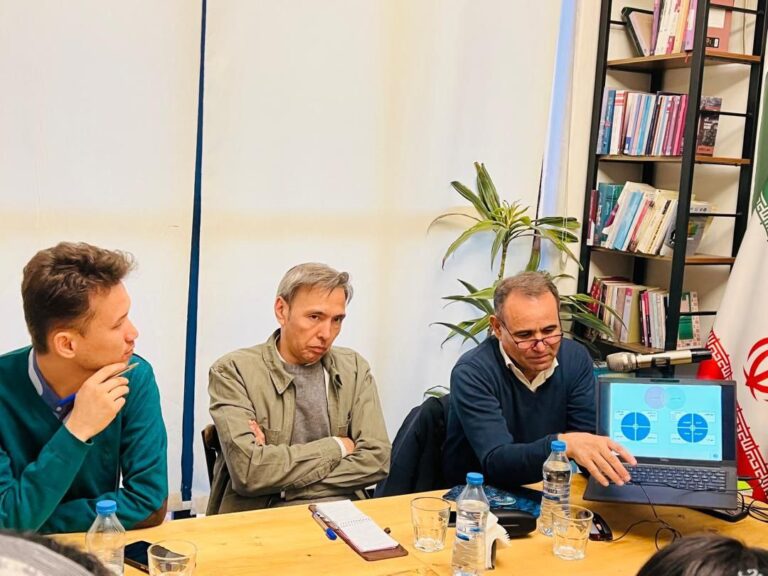
The event provided a platform for direct exchange between experts from the two countries. Afghan participants engaged in discussions with their Indonesian counterparts on practical and scientific methods in various addiction-related fields and reviewed each other’s experiences.
Ongoing Challenges in Afghanistan’s Fight Against Drugs
After taking control of Afghanistan, the Taliban announced a ban on the cultivation and trafficking of narcotics. However, the United Nations has previously warned that due to the lack of sustainable and alternative sources of income for farmers, there is a risk they may return to drug cultivation.
Organizing training programs for treatment specialists is considered part of international efforts to manage the addiction crisis in Afghanistan.