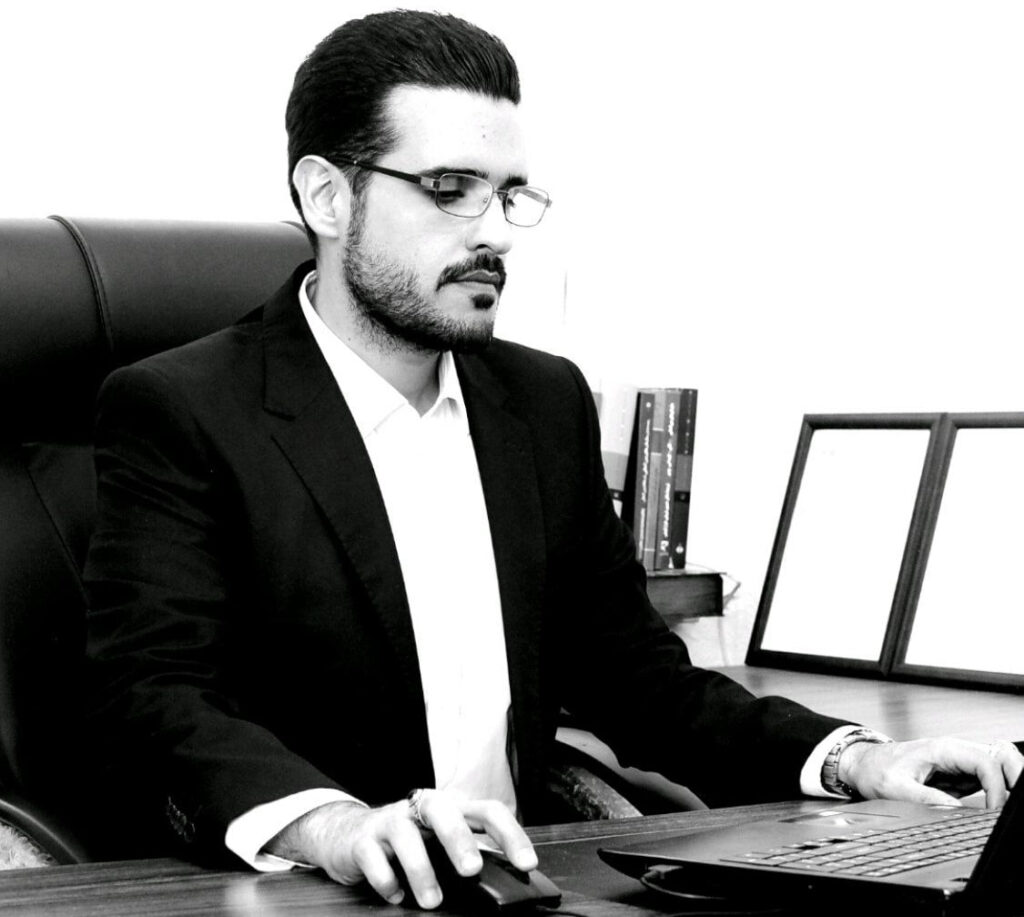
Tehran- IRAF- Dr. Hirad Makhiri stated that in order to understand the Taliban’s stance toward Iran–U.S. tensions, it must be viewed within the framework of the Taliban’s current foreign policy—one that is primarily focused on survival, consolidation of power, and reducing external pressure. Following their return to power, the Taliban have faced a reality in which they exercise territorial control on the one hand, while on the other hand they remain constrained by a lack of formal international recognition, limited access to financial resources, and restricted international engagement.
Under such conditions, adopting critical positions toward the United States constitutes part of a broader strategy aimed at signaling independence and preventing the formation of an image of dependency.
According to this academic, such positioning can also be interpreted as an effort to manage a high-pressure environment. The Taliban are aware that they remain under sanctions and political pressure; therefore, by emphasizing a discourse of resistance, they seek to raise the costs of maintaining pressure against Kabul. The message conveyed to external actors is that policies of isolation or coercion will not necessarily result in behavioral change.
Makhiri continued: From a regional perspective, these statements indicate a gradual shift by the Taliban away from prioritizing engagement with the West and toward strengthening regional ties. When an actor perceives its main channels of interaction as blocked or limited, it naturally turns to alternative options. Within this framework, criticism of Washington’s policies represents a recalibration of diplomatic priorities.
He further emphasized that by stressing resistance to external pressure, the Taliban are also seeking to strengthen their domestic political legitimacy and to consolidate the image of an independent ruling authority. Accordingly, these statements pursue three objectives simultaneously: sending a message to the United States, redefining the Taliban’s regional position, and reinforcing internal cohesion.
Redefining the Regional Position
Makhiri noted that the positive reference to Iran demonstrates that the Taliban are reassessing their approach to regional power balances. In these remarks, Iran is framed not merely as a neighbor, but as a model of resilience against external pressure. This framing is primarily functional rather than ideological; it underscores the idea that regional actors can endure external coercion.
He added that within this context, Iran represents an important geopolitical variable for the Taliban—a country with security and economic influence that can play a role in emerging regional equations. This suggests that the Taliban are gradually reorienting their foreign relations based on surrounding realities rather than distant alignments.
Makhiri also pointed out that highlighting Iran serves as a signal to other regional powers as well. The message conveyed is that Kabul is prepared to define itself within a regional framework rather than within a Western-centric order. This perspective reflects a move toward a network of multilateral regional relations in which dependence on a single pole is reduced.
A Message to Washington: Emphasizing the Declining Effectiveness of Pressure and Calling for Balanced Engagement
Makhiri explained that the primary message of this positioning toward the United States is that past tools of pressure no longer have the same effectiveness. The Taliban are attempting to convey that following the U.S. military withdrawal, Afghanistan’s power structure has changed, and a return to previous policies would be costly.
At the same time, he stressed that these statements do not necessarily signify a complete closure of the path to engagement. The Taliban seek to speak from a position of independence, not one of permanent confrontation. In this sense, the message can be interpreted as an indirect invitation to acknowledge new realities and move toward a form of engagement based on balance.
From a strategic standpoint, Makhiri noted, the Taliban’s stance on Iran–U.S. tensions can be seen as an effort to redefine the rules of the game—meaning that any future interaction must be based on acceptance of the existing situation. Through such positions, the Taliban aim to persuade Washington that a maximum-pressure policy without a military presence offers limited leverage.
From Demonstrating Durability to Increasing Bargaining Power
Makhiri further stated that this type of positioning can be viewed as part of the Taliban’s efforts to solidify their place within the new regional order. Following the U.S. withdrawal, a vacuum emerged that regional actors are now attempting to fill. The Taliban seek to demonstrate that they are a stable and enduring actor that cannot be ignored.
He argued that this approach also represents an attempt to transform a fragile situation into an opportunity for bargaining. The more the Taliban can present themselves as independent and possessing multiple options, the greater the likelihood that others will engage with them as a political reality.
At a structural level, Makhiri explained, this behavior suggests that the Taliban are transitioning from a “rebel movement” to a “consolidated political entity.” Such transitions are typically accompanied by the production of a discourse of independence, the definition of red lines, and efforts to normalize presence within the regional environment.
Anti-American Rhetoric: Widening Political Distance from the West and Raising the Cost of Trust-Building
According to Makhiri, rhetorical proximity to anti-American positions may widen the Taliban’s political distance from the West and slow the process of formal recognition. However, in practice, relations among actors are shaped by interest-based calculations. If the Taliban manage to maintain relative stability and control security threats, limited communication channels are likely to remain open.
He added that, in other words, harsh rhetoric does not necessarily equate to a complete severing of engagement, but it does raise the cost of trust-building. Western countries are likely to differentiate between media discourse and practical necessities. Nevertheless, the persistence of such rhetoric could influence the calculations of investors and international financial institutions. The more Afghanistan is perceived as part of a confrontational axis, the more difficult access to financial resources and formal mechanisms will become.
Issue-Based Cooperation with Tehran: An Opportunity for Convergence
Makhiri stated that for Afghanistan, this positioning could pave the way for enhanced security and economic cooperation with Tehran—provided that practical disputes such as border issues, water rights, and migration are properly managed. Discursive convergence can facilitate dialogue, but it does not guarantee the resolution of structural disagreements.
He added that excessive closeness to a single regional actor could provoke sensitivities among other powers. Therefore, the most likely path for Kabul is issue-based and balanced cooperation with Iran, rather than the formation of a rigid and exclusive alliance.
From a security perspective, he noted, enhanced coordination could help reduce shared threats, including transnational extremist groups. However, any sustainable cooperation would require managing hidden rivalries and preventing technical disputes from escalating into political crises.
Active Neutrality to Reduce Tensions and Protect Security and Economic Stability
Makhiri warned that in the event of intensified confrontation between Iran and the United States, Afghanistan’s security environment would become more fragile. Increased proxy competition, pressure on trade routes, and the spillover of insecurity are among the potential consequences. Under such circumstances, the Taliban would be compelled to pursue a policy of active neutrality in order to prevent Afghanistan from becoming an arena of confrontation.
He emphasized that the Taliban appear to have concluded that extra-regional interventions have not necessarily produced stability, and that reliance on regional arrangements may reduce security costs. Nevertheless, the success of this strategy depends on Kabul’s ability to maintain balance and avoid full alignment with any single axis.
Makhiri concluded by stating that any large-scale conflict could deliver a serious shock to Afghanistan’s economy—from disruptions in trade to reductions in humanitarian assistance. Therefore, the Taliban’s interests dictate distancing themselves from escalating tensions and striving to keep Afghanistan outside the orbit of direct confrontation.