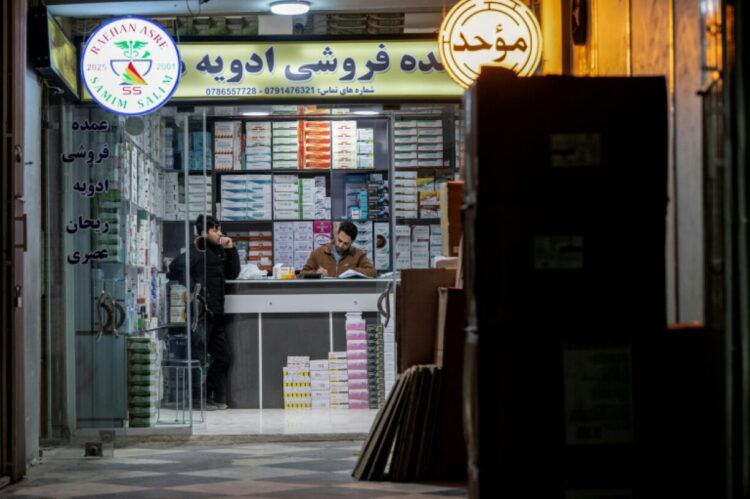
Tehran- IRAF- The Taliban’s ban on Pakistani medicine, imposed amid escalating political tensions between Kabul and Islamabad, has severely disrupted Afghanistan’s medicine supply chain and significantly increased transportation costs.
Increased Transportation Costs
Following the ban, Afghan importers have been forced to source medicines through longer routes and from other countries. This change in logistics has not only extended transit times but also multiplied transportation costs.
Many patients have expressed concerns that non-Pakistani medicines often lack the quality and efficacy of their predecessors.
Majibullah Afzali, a Kabul-based pharmacist, told the French news agency that some medicine prices have surged, and certain items have become scarce. He noted that the new route through Islam Qala alone has increased transportation costs by 10-15%.
An Afghan pharmaceutical industry activist estimated that transportation costs now account for 25-30% of the final medicine price, up from 6-7% previously. He suggested that Afghan traders have incurred “millions of dollars in losses” due to the Taliban’s policy.
Taliban’s Justification
The Taliban claims that the ban aims to prevent the influx of counterfeit and low-quality medicines. Sharafat Zaman Amarkhil, spokesperson for the Taliban’s Ministry of Health, stated that many Pakistani medicines were fake or substandard.
He revealed that Afghanistan is now collaborating with countries like Iran, India, Bangladesh, Uzbekistan, Turkey, China, and Belarus to secure medicine supplies. India, previously Afghanistan’s second-largest medicine supplier, is expected to meet a significant portion of the country’s needs.
Domestic Production Challenges
The Taliban asserts that domestic production of 600 types of medicine has alleviated some of the demand. However, industry sources argue that reliance on imported raw materials, high energy costs, and infrastructure limitations hinder Afghanistan’s ability to achieve self-sufficiency in pharmaceuticals.
Some domestically produced medicines are even more expensive than their Pakistani counterparts.
Consequences for Patients
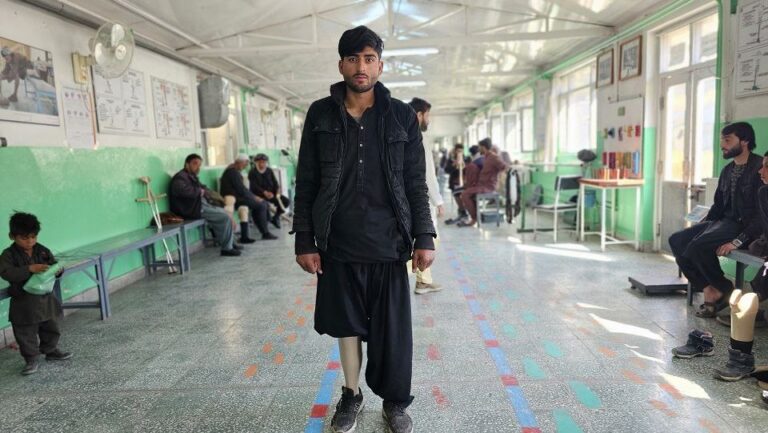
Physicians in Kabul have warned that the sudden shift in the medicine market has complicated patient treatment. One doctor noted that they must alter prescriptions, find suitable alternatives, and devote more time to adjusting treatment plans.
Another physician cautioned that this situation may delay patient treatment in the short term and exert additional pressure on Afghanistan’s healthcare system.