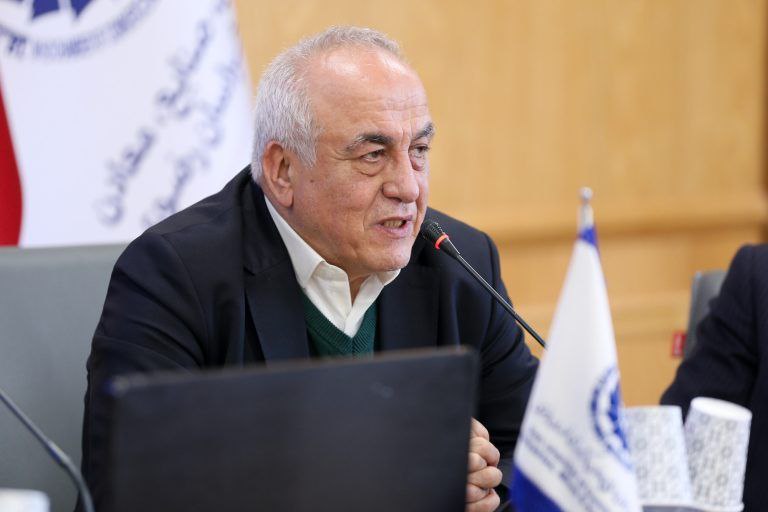
Tehran – IRAF – Quoting Radio Dari, Mahmoud Siadat, Head of the Iran–Afghanistan Joint Chamber of Commerce, referred to significant trade figures from the first nine months of the current year and announced that Afghanistan’s exports to Iran have increased by 156 percent.
He said, “If cooperation and synergy between the public and private sectors of the two countries expand, we will witness several-fold growth in Afghanistan’s exports to Iran by next year.”
The Need to Establish Balance in Bilateral Trade
Siadat emphasized the efforts made by the private sector, along with the support of the Iranian government in recent years, to achieve balance in trade with Afghanistan. He stated, “We are working toward the growth of productive and sustainable employment in Afghanistan. However, the reality is that Afghanistan does not currently have a large volume of industrial products available for export to Iran.”
Referring to Iran’s approximately $2.5 billion in exports to Afghanistan, he noted that these goods are mainly purchased and transported by Afghan traders based on market demand and economic feasibility.
Mining Sector: Challenges and Prospects
The Head of the Iran–Afghanistan Joint Chamber of Commerce pointed to existing challenges in Afghanistan’s mining sector, saying, “Energy shortages, lack of skilled labor, and insufficient capital for operators are among the main obstacles in this sector.”
Calling for cooperation from the Taliban authorities, he added, “There should be provisions for reasonable extraction and even partial export of raw materials so that the resulting revenue can stimulate the economy, create jobs, and prevent excessive youth migration.”
Agriculture and Livestock: The Golden Opportunity for Cooperation
Siadat described agriculture, horticulture, and livestock as the sectors with the greatest potential for cooperation between the two countries.
He noted, “Iran imports animal feed and frozen meat from Brazil and pulses from Canada. These shipments spend about a month at sea and another month reaching various cities.”
Emphasizing Iran’s priority to import such products from Afghanistan instead, he said, “We can import fresh meat and cotton from Afghanistan rather than from distant countries.”
Afghan Mung Beans: The Best in the Region
Highlighting the high quality of Afghan agricultural products, he stated, “Afghan mung beans are the best in the region, and the country also produces high-quality beans suitable for import.”
He added that by utilizing Afghanistan’s land, water, and labor force, crops such as sugar beet could be cultivated and then transported for processing to sugar factories in Torbat-e Jam and Birjand.
“This would benefit both countries, as both are sugar importers,” he said.
Iran Ready for Guaranteed Purchases
Siadat announced Iran’s full readiness to guarantee the purchase of Afghan agricultural products, stating, “Afghanistan can cultivate many agricultural goods, and Iran is prepared to guarantee their purchase. This represents the greatest opportunity to increase Afghanistan’s exports.”
He added that many of the barriers to importing goods from Afghanistan to Iran have already been removed, and the remaining obstacles will also be addressed.
Referring to the dispatch of delegations for consultation and capacity assessment, he expressed hope that Afghanistan would also provide the necessary conditions and openness to realize these cooperative efforts and achieve a desirable trade balance between the two countries.
Warning Over Losing the Afghan Market
Previously, the Head of the Iran–Afghanistan Joint Chamber of Commerce had also warned about the risk of losing the Afghan market and called for tax exemptions and greater support for Iranian companies operating in Afghanistan.
Meanwhile, the Governor of Khorasan Razavi Province announced readiness to establish a joint agricultural holding company between the two countries.
He stressed the need to create a new model of agricultural cooperation, stating that with Iranian technical and input support, the initiative could help create jobs and reduce migration in Afghanistan while also meeting the needs of Iran’s border provinces.
On the other hand, the Acting Minister of Industry and Commerce of the Taliban has emphasized Afghanistan’s serious need for Iranian technology and products, urging Iranian officials to facilitate increased Afghan exports to Iran.