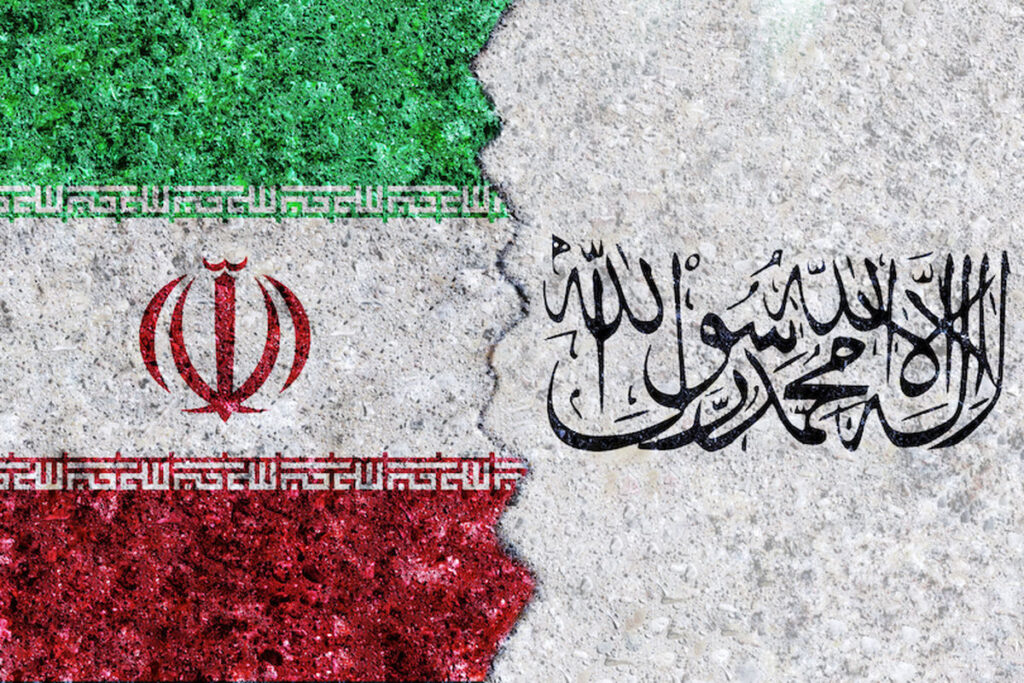
Tehran- IRAF- the water-sharing agreement between Iran and Afghanistan over the Helmand River dates back more than half a century. In 1973, Tehran and Kabul signed a treaty under which Iran’s annual share of the Helmand’s water was set at approximately 817 million cubic meters—equivalent to an average flow of 26 cubic meters per second.
This treaty established the first formal legal framework defining Iran’s water rights and was intended to serve as the basis for resolving bilateral water disputes.
However, implementation of the treaty has consistently faced political and technical challenges. Changes of government in Afghanistan, civil wars, recurring droughts, and, in recent years, the Taliban’s return to power have resulted in Iran’s water share not being fully delivered in many years. Now, with increasing dam construction projects and shifting precipitation patterns in Afghanistan, the dispute has entered a new phase—one in which water is no longer merely a natural resource, but also a tool of political leverage and diplomatic bargaining.
Iran’s Official Protest Against Afghan Dam Projects
In recent years, Iran has repeatedly warned against Afghanistan’s upstream dam construction projects on shared rivers, including the Helmand and Harirod Rivers, arguing that such projects threaten Iran’s legal water rights.
Iranian Foreign Ministry officials have stated that the construction and impoundment of new dams in Afghanistan violate Iran’s “customary rights.” Nevertheless, Afghanistan has continued its dam-building efforts.
One of the most prominent projects is the Pashdan Dam in Herat Province, completed and inaugurated under the Taliban administration. With a storage capacity of approximately 45 million cubic meters, the dam irrigates around 13,000 hectares of agricultural land and generates electricity. However, it has also reduced downstream water flow in the Harirod River, which supplies part of the water needs of Iran’s Razavi Khorasan Province and the city of Mashhad.
In response, Issa Bozorgzadeh, spokesperson for Iran’s water industry, stated:
“Afghanistan’s unilateral exploitation of the Harirod River, without coordination and without respecting Iran’s customary rights, is unacceptable and carries social and environmental consequences for downstream regions.”
Other projects include the Kamal Khan Dam on the Helmand River, designed to support agricultural development in southwestern Afghanistan. The dam has raised concerns in Iran about further reductions in its allocated water share—approximately 820 million cubic meters annually under the 1973 treaty—an amount that in practice has been delivered at much lower levels.
Mohammad Javanbakht, Deputy Minister of Energy for Water Affairs, has called on Afghanistan to expedite the identification of water intake points and the establishment of joint measurement facilities to ensure proper implementation of the treaty.
Iran’s Water Crisis and the Water Rights Issue
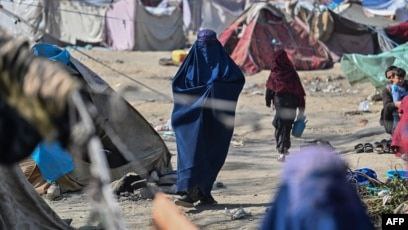
Alongside the dispute with Afghanistan, Iran’s broader water crisis has intensified. Experts warn that reduced flow from the Helmand and Harirod Rivers threatens not only the environment of Sistan and Khorasan provinces but could also lead to large-scale migration, economic stagnation, and growing social discontent in eastern Iran.
International reports have similarly cautioned that water scarcity may carry social and even security implications. One analytical report stated:
“The dispute over water resources between Iran and Afghanistan is one of the factors exacerbating the water crisis in eastern Iran.”
Rainfall Undermines the Drought Narrative
One of the significant developments in recent months has been increased rainfall in Afghanistan. Official regional meteorological reports indicate that precipitation levels in Helmand, Nimroz, and Herat provinces during the latest water year have been above average compared to previous drought years.
These rains have increased water storage levels in Afghanistan’s dams and rivers. According to World Bank data, Afghanistan’s average annual rainfall in 2024 reached approximately 355 millimeters—21 percent higher than in 2023.
Under such conditions, the Taliban’s claim that reduced water flow is solely due to drought has faced serious skepticism. Nooruddin Azizi, the Taliban’s Minister of Industry and Commerce, stated in response to Iranian criticism:
“We have no intention of diverting water and remain committed to our obligations.”
However, alongside these statements, dam construction projects continue, and field reports indicate that significant volumes of Helmand water are being diverted away from Iran.
Is It Time to Send a Negotiating Delegation to Afghanistan?
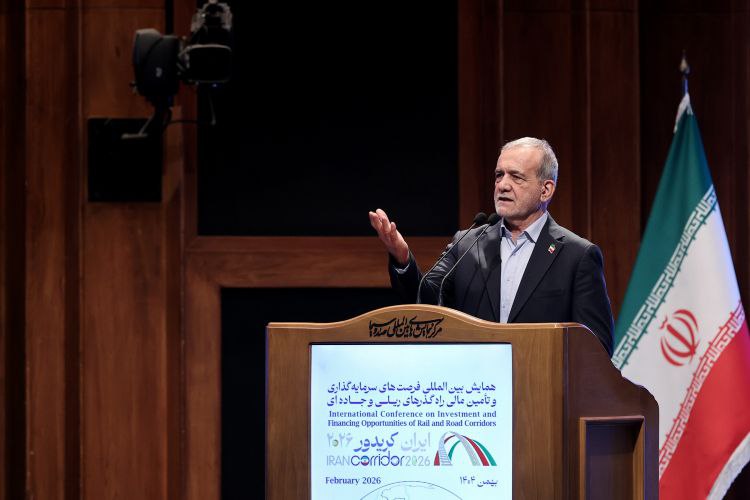
Last year, the Helmand water rights issue reached the highest decision-making levels within the Iranian government. Media reports indicated that the president instructed relevant authorities to pursue the matter more seriously.
Abbas Aliabadi, Iran’s Minister of Energy, stated:
“We have held numerous negotiations with the Afghan side, but last year we were unable to receive our full water share.”
He expressed hope that improved rainfall in Afghanistan would enable Iran to receive its rightful share this year and added:
“We are prepared to dispatch a delegation to Afghanistan to follow up on the matter closely and seriously.”
These statements indicate that Tehran considers the Helmand issue a national and strategic priority. The president’s direct involvement signals increased political sensitivity regarding the Taliban’s management of shared water resources.
From Technical Dispute to Geopolitical Challenge
Recent developments suggest that the Helmand and Harirod water rights cases have entered a sensitive stage. On one hand, the Taliban insist on their commitment and attribute reduced flows to drought. On the other, increased rainfall and continued dam construction have cast doubt on that narrative.
Under these circumstances, the water dispute between Iran and Afghanistan is no longer merely a technical matter; it has evolved into a political and geopolitical contest.
If this trend continues, the water crisis could become one of the most significant challenges in bilateral relations—one that will require active diplomacy, legal engagement, and responsible joint management of shared water resources to resolve.