Tehran- IRAF- citing IRNA, Shina Ansari, Vice President of Iran and Head of the Department of Environment, referred to the longstanding agreement between Iran and Afghanistan on securing water rights for the Hamoun wetland and announced serious follow-up efforts to ensure the sustainability and full implementation of the agreement.
She stated:
“Under the 1973 agreement concerning the provision of water rights for the Hamoun wetland, Afghanistan is obligated to supply the minimum water requirements of this vital ecosystem. We are currently pursuing this matter with full determination to ensure that the agreement not only remains sustainable but is fully implemented.”
The head of the Department of Environment explained that the survival of the Hamoun wetland is directly dependent on seasonal floods, adding:
“Our main focus is on preserving these floodwaters and directing them toward Iran. We seek to prevent these runoff waters from flowing into the ‘Gowd-e-Zareh’ salt marsh in Afghanistan and instead ensure they follow their natural course toward the Hamoun wetland.”
Referring to recent understandings reached with the Afghan side, she added:
“Although we have recently witnessed the entry of floodwaters into the country, our goal is to institutionalize this process within a legal and structured framework so that the allocated water rights for Hamoun are fully realized.”
Ansari also outlined the legal division of responsibilities:
“Under the Wetlands Protection Law, determining the volume of water rights falls under the responsibility of the Department of Environment, while allocation is entrusted to the Ministry of Energy. We are seriously pursuing this issue in the National Wetlands Management and Coordination Headquarters, chaired by the First Vice President. Priority wetlands for water allocation are on the agenda, and we hope to witness water releases as soon as possible.”
In response to a question about how much water was released for wetlands during the previous water year, she said:
“According to the Seventh Development Plan, the allocated water rights for the country’s wetlands exceed 11 billion cubic meters.”
Sistan and Baluchestan Affected by Drying of Hamoun Wetland
The Vice President described the overall issue of wetlands’ water rights as the most important demand of her organization in the field of aquatic ecosystem protection.
She emphasized the damages suffered by Sistan and Baluchestan Province due to the failure to supply Hamoun’s water rights:
“The livelihoods, settlement, and daily lives of people in this region have been severely affected by the drying of the Hamoun wetland. For this reason, we will use all our capacity to secure the wetland’s water rights.”
Follow-Up on Hamoun Water Rights from Afghanistan; Emphasis on 1973 Agreement
Iranian officials have repeatedly stressed the necessity of implementing the 1973 water-sharing agreement with Afghanistan to secure the water rights of the internationally recognized Hamoun wetland.
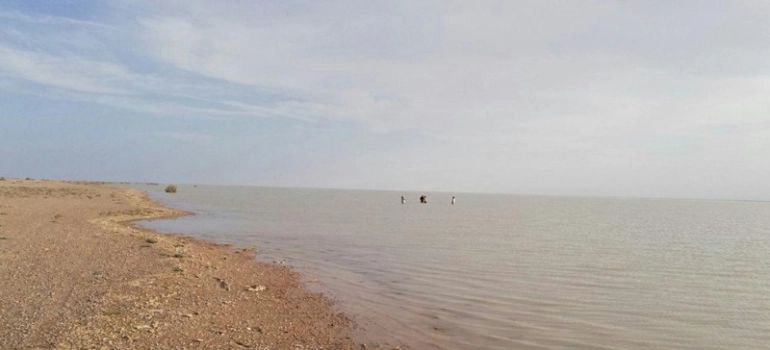
Under this agreement, 850 million cubic meters of water annually should flow from the Helmand River into the wetland. However, in recent years, due to drought and the diversion of floodwaters toward the Gowd-e-Zareh salt marsh in Afghanistan, the wetland has faced complete desiccation.
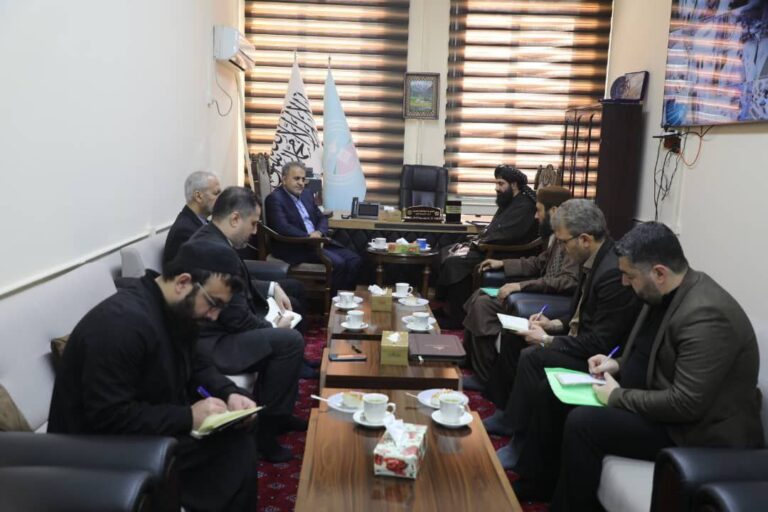
In the latest round of consultations, an Iranian diplomatic delegation headed by Ahmadreza Lahijanzadeh, Deputy for Marine Environment at the Department of Environment, met with Taliban officials. Both sides emphasized cooperation to remove obstacles and revive the wetland.
Taliban officials stated that the issue of water rights is being followed up by the group’s Ministry of Water and Energy and expressed readiness to conduct joint research efforts aimed at restoring this cross-border ecosystem.