Tehran- IRAF- Citing a report published today (Monday, February 10), by Shafaqna Afghanistan, the prices of many food items have risen at an unprecedented pace in recent days.
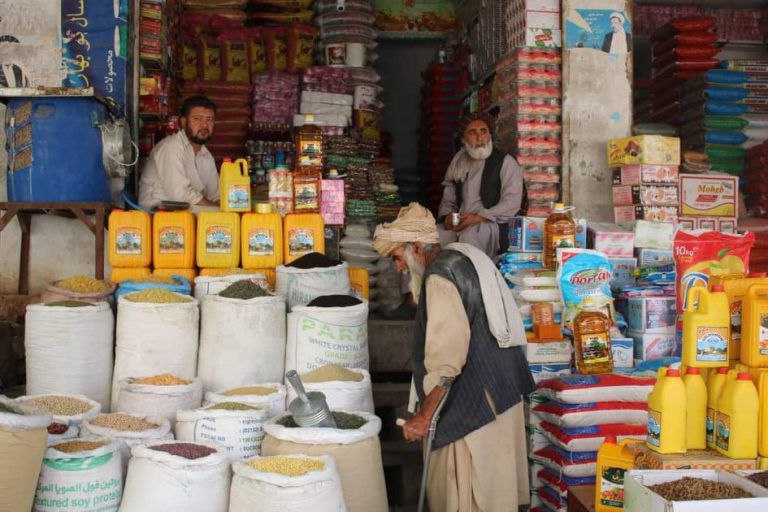
Pumpkin — one of the most commonly consumed foods during Ramadan has increased by nearly 80 percent in just three days, rising from 25 afghanis to 45 afghanis.
Traditional jams, which previously sold for 100 to 120 afghanis, are now priced as high as 190 afghanis.
Dairy products have also nearly doubled in price, with a container of qaymaq (cream of milk) increasing from 25–30 afghanis to around 40 afghanis.
Basic vegetables such as tomatoes, potatoes, and onions have seen price hikes ranging from 60 to 100 percent.
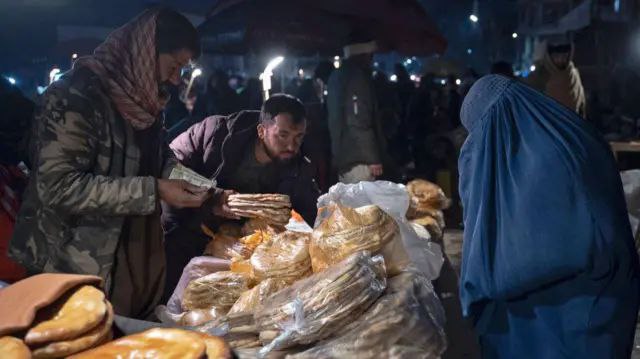
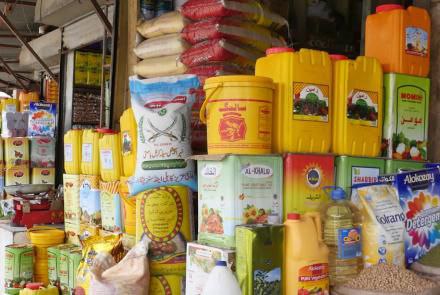
Essential goods like flour, cooking oil, and rice, which play a central role on iftar tables are expected to experience even more increases in the coming weeks due to import restrictions from Pakistan and higher transportation costs via alternative routes.
Heavy Pressure on Low‑Income Families
Shafaqna Afghanistan quotes Zahra, a Kabul resident and head of her household, as saying:
“Just days before Ramadan, prices have soared. With a daily income of 100 afghanis, nothing is affordable, not flour, not oil, not rice, and not meat.”
Najibullah, an employee of one of the Taliban government offices, said that his salary has not been paid for months. Given his rent, water and electricity bills, and accumulated debts, he noted that even if his salary were paid, he would still be unable to afford basic necessities.
This situation unfolds as the international organization Save the Children has warned that 9 million Afghan children are facing severe hunger this winter, an 18 percent increase compared to last year.
Organized Hoarding: The Main Reason Behind Market Turmoil
An economic expert, speaking to Shafaqna Afghanistan, attributes the high increase of price to “deliberate hoarding” by certain traders who store essential goods, create artificial shortages, and manipulate the market.
He emphasized:
“In many Islamic countries, Ramadan is a time when prices fall. But in Afghanistan, the lack of oversight and effective policymaking has turned this month into a season of economic pressure.”
Kabul residents have described the situation as “Obvious injustice” and have called on the Taliban authorities to directly monitor markets and prevent hoarding in order to stop the crisis from escalating.
International Warnings About Afghanistan’s Food Collapse
The World Food Programme (WFP) has predicted that more than 17 million people in Afghanistan will face severe food insecurity during the winter season.
The humanitarian organization “Caritas Internationalis” has also warned that Afghanistan’s humanitarian crisis is being overlooked amid global emergencies, with women and children bearing the greatest burden.
The Coming Ramadan: A Month That May Pass Without Iftar for Many
According to Shafaqna Afghanistan, the increase in prices ahead of Ramadan is merely one sign of the structural collapse of Afghanistan’s economy — an economy weighed down by international sanctions, ineffective Taliban policies, and widespread hoarding, pushing the population toward extreme poverty.
Without immediate intervention to control markets and ensure the supply of essential goods, Ramadan, which in many Islamic countries is accompanied by price reductions and support for vulnerable groups — risks becoming a season of hunger and despair for millions of Afghan families.