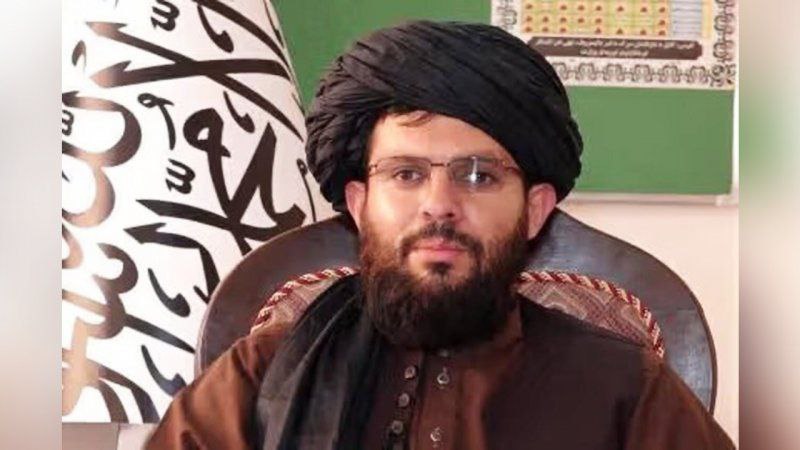
Tehran- IRAF- Seyf‑ol‑Islam Kheyber, spokesperson for the Taliban’s Ministry for the Promotion of Virtue and Prevention of Vice, said in his latest remarks that the UNAMA report “is not based on Afghanistan’s realities,” stressing that the ministry’s agents operate within the framework of Sharia law and the group’s internal regulations.
He rejected any allegations of arbitrary detention, violence, or conduct outside Islamic rules, claiming that United Nations reports are “based on inaccurate information.”
Despite these assertions, UNAMA’s quarterly report presents a markedly different picture of the conduct of the Taliban’s morality forces.
According to the report, Taliban agents in Zabul Province have barred women from walking in public spaces.
The report also states that in mid‑October, a group of women who had left their homes for morning exercise were stopped by Taliban agents and warned that they would no longer be permitted to leave their homes for the purpose of exercising.
UNAMA further reported that during the same period, at least 520 people were arbitrarily detained by the Taliban’s morality forces.
In addition, 50 cases of ill‑treatment involving both women and men were documented, including beatings, threats, and humiliating behavior.
One of the most notable cases highlighted in the UNAMA report concerns the detention of a girl under the age of 18.
According to the report, a Taliban court ordered her arrest after she opposed a forced marriage, and she remains in Taliban custody. UNAMA described this case as a clear example of violations of the rights of women and children.
Over the past four years, the Taliban have rejected nearly all reports by the United Nations and international organizations concerning human rights violations.
Nevertheless, the United Nations and other human rights bodies have repeatedly warned of escalating restrictions particularly against women and girls, stating that Afghanistan’s social media has become severely constrained.
While the Taliban insist on the “Sharia‑based” based on their actions, international reports point to increasing pressure on women, widespread restrictions on personal freedoms, and detentions carried out without due process, issues that continue to represent one of the main challenges for the international community in its engagement with the Taliban authorities.