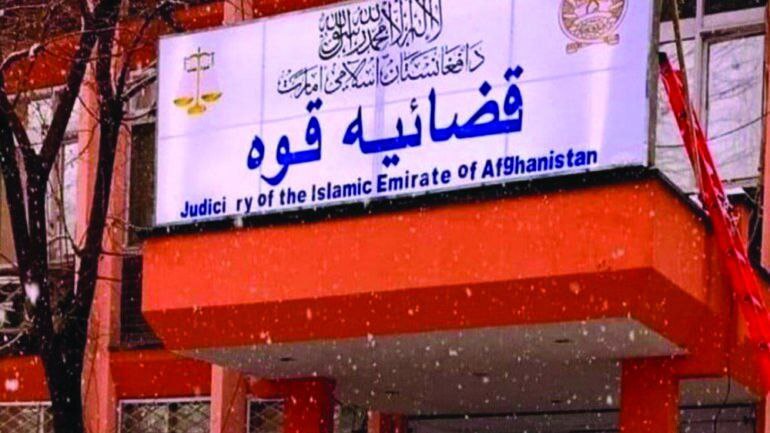
Tehran- IRAF- Stephen Schneck, a senior official at the U.S. Commission on International Religious Freedom, warned in media interviews about the Taliban’s so‑called “Penal Code Framework.” He stated that the document, which has recently been issued for Afghanistan’s courts, has sparked deep international concern. According to Schneck, the code recognizes only the Taliban’s interpretation of Hanafi Islam, while excluding other Islamic schools of thought as well as non‑Islamic religions.
He pointed to controversial provisions in the document, including the authorization of the death penalty for opponents, the formal recognition of slavery, and punishments such as amputation, flogging, and execution for various crimes.
Schneck emphasized that the content of this document stands in clear contradiction to international human rights law. He also described the Taliban’s treatment of women and girls as a form of “modern slavery,” calling it a grave violation of international obligations.
Potential Consequences for the Taliban
The USCIRF official warned that if Afghanistan is designated as a Country of Particular Concern, the path would be paved for targeted sanctions and increased international pressure on the Taliban. He called on the international community to adopt a united response to these policies.
The Taliban have so far issued no official response to these allegations. Since seizing power in Afghanistan in 2021, the group has imposed a series of laws, particularly in the areas of women’s rights and civil liberties.
Widespread Criticism of the Taliban’s Controversial Penal Code
Human rights activists, political figures, and even some religious scholars argue that the document is not only incompatible with fundamental human rights, but is also based on a narrow and ideological interpretation of religion promoted by the Taliban.
Richard Bennett, the United Nations Special Rapporteur on Afghanistan, has likewise described the consequences of the code as “deeply alarming.”
In response to the wave of criticism, the Taliban’s Ministry of Justice announced that opposition to the group’s laws constitutes “opposition to Sharia” and is therefore considered a crime. The Taliban have warned that critics will be referred to judicial authorities for legal prosecution.