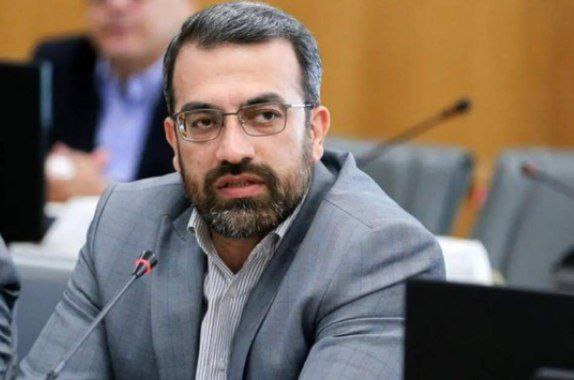
Tehran- IRAF- Mohammad Nasim Atayi, an economist with the United Nations Development Programme (UNDP), stated in an analysis titled “Perspectives from Economists” that despite the ambitious goals outlined in the Afghanistan National Development Strategy for 1404–1409 (2025–2030), UN economic analysts caution that two major challenges seriously threaten the realization of this plan.
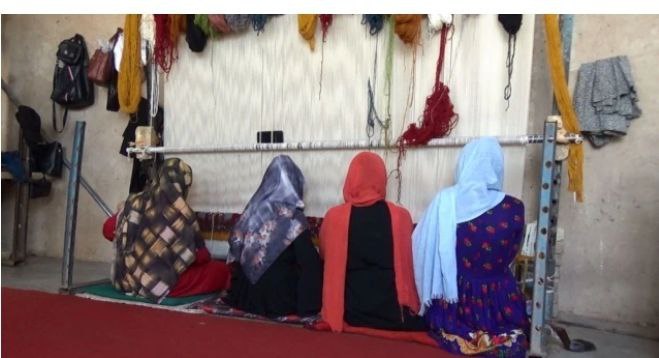
According to Atayi, severe restrictions on women’s participation in education, employment, and economic activities deal a devastating blow to the country’s economic structure.
Atayi added: “Removing half of the skilled workforce from the production cycle not only destroys productivity and innovation, but also makes long‑term growth impossible. No development plan can achieve sustainable success without the active participation of women.”
Energy Crisis: A Major Obstacle to Production and Investment
The analysis identifies the deep energy crisis in Afghanistan as the second fundamental challenge. Chronic electricity shortages, dependence on imports, and deteriorating infrastructure have increased production costs and severely reduced the competitiveness of domestic industries and exports.
The economist warns: “Continued insecurity in the energy sector will not only drive away domestic and foreign investors, but will also cause the core pillars of the new strategy—such as job creation and private‑sector development—to fail.”
The Future of Development Depends on Fundamental Reforms
Finally, experts emphasize that the comprehensive framework of the National Development Strategy will yield results only if the Afghan authorities implement fundamental reforms in two key areas:
- Restoring the social and economic role of women, and
- Making large‑scale investments in the energy sector.
Without these changes, Afghanistan’s prospects for economic growth will remain out of reach.
This comes as the Taliban, since returning to power, have imposed restrictions on education, employment, cultural activities, and sports, particularly affecting women.
Meanwhile, 80 percent of Afghanistan’s electricity demand is supplied by neighboring countries, a level of energy dependence that has caused serious disruptions to industrial activity and even to everyday life for the population.