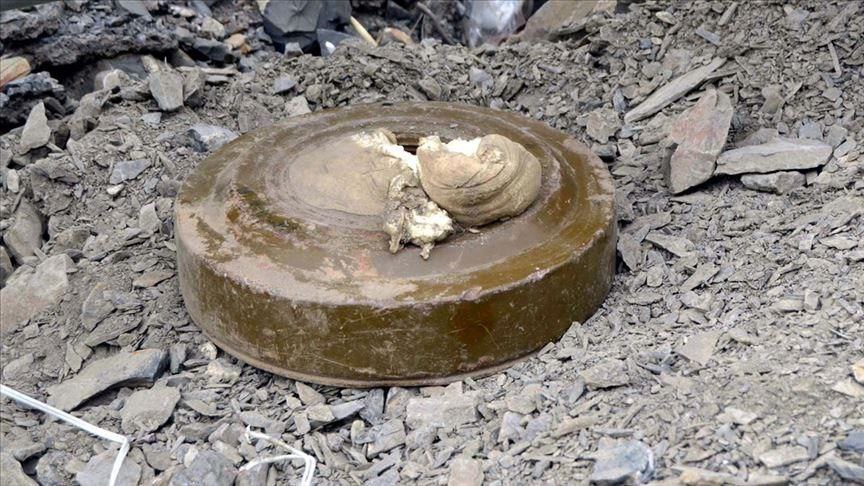
Tehran- IRAF- The United Nations Assistance Mission in Afghanistan (UNAMA) said in a statement that; following decades of war, Afghanistan remains the world’s third-highest country in terms of deaths and injuries resulting from landmines and explosive remnants of war.
UNAMA emphasized that children are the primary victims of these deadly hazards, making up 80 percent of total casualties. Many of these children lose their lives or suffer severe injuries after coming into contact with unexploded ordnance while playing or carrying out their daily activities.
Urgent Need for Financial Support for Demining Operations
In its statement, UNAMA stressed that public awareness and collective community action can prevent many tragic incidents. The mission urged citizens not to touch any suspicious or unfamiliar objects under any circumstances and to report them immediately to security authorities.
The UN office also called for rapid and sustained funding for non-governmental organizations working in the field of mine clearance. In addition to the daily removal of explosive hazards, these organizations conduct educational programs to raise awareness among local communities about the dangers posed by landmines and unexploded ordnance.
Contaminated Land: A Deadly Legacy of Decades of War
According to a report by the HALO Trust, approximately 50 people per month were killed or injured by landmines and explosive remnants of war in Afghanistan last year alone. An estimated 6.4 million people are at direct risk from these lethal materials. The United Nations also reports that more than 3.3 million people live within one kilometer of contaminated areas.
After decades of armed conflict, vast areas of land across Afghanistan remain contaminated with landmines and explosive remnants of war, posing a daily threat to civilians—particularly children.