Tehran- IRAF- The proposed creation of a trilateral international free trade–industrial zone involving Iran, Afghanistan, and China, with South Khorasan as the focal point, represents a unique strategic opportunity for the sustainable development of eastern Iran and the strengthening of regional economic connections. Emerging from a deep understanding of the region’s geopolitical potential, the initiative constitutes a pivotal step toward enhancing Iran’s regional economic cooperation and could generate significant economic and political benefits, particularly for Iran and Afghanistan.
According to statements by Morteza Zakarian, Director General of Economic and Financial Affairs of South Khorasan Province, the primary objective of the plan is to effectively neutralize the impacts of sanctions while simultaneously advancing economic development and deepening regional relations. The proposal was raised during the President’s recent visit to South Khorasan, received his approval, and, following a green light from the Ministry of Economic Affairs and Finance, has now entered a phase of serious administrative follow‑up. The project is based on the philosophy of trilateral capacity interaction.
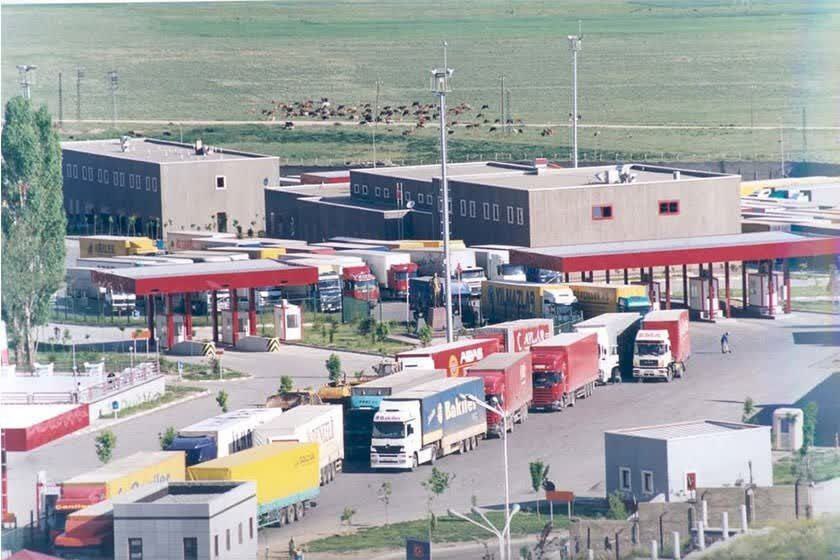
The momentum of the initiative has also been welcomed by officials of the Taliban administration. In this context, Ahmad Islam Jar, the Taliban-appointed governor of Herat, recently visited the Dogharoun–Taybad border crossing, met with local authorities of Razavi Khorasan Province, and toured the free trade zone at this strategic border point.
This analytical report focuses on the geopolitical advantages of South Khorasan Province as a connective hub, examining the structure, objectives, and differentiated benefits of this trilateral initiative for Iran, Afghanistan, and China.
Geopolitical Position and Competitive Advantage of South Khorasan
According to Zakarian, South Khorasan’s unique geographical location provides a critical competitive advantage for transforming the province into a nexus connecting three major economic flows. This strategic role—also emphasized by regional authorities—is defined across three main dimensions.
First, South Khorasan’s direct border with Afghanistan positions it as a principal gateway to transit corridors linking Central Asia and the Caucasus. Second, the province’s vital access to Iran’s national rail and road networks places it along routes connecting to the Persian Gulf and the Indian Ocean, facilitating North–South transit. Third, the region holds a key position in the overland component of China’s Belt and Road Initiative, strengthening regional connectivity toward East Asia.
Iran’s Role in the Initiative
According to economic experts, cooperation among Iran, China, and Afghanistan within this framework is founded on the principle of capacity synergy and mutual complementarity. The core objective is to advance regional development while simultaneously creating mechanisms to offset the effects of sanctions. Within this structure, Iran’s role is defined as that of facilitator and guarantor of corridor security.
By providing land and rail transit infrastructure along the North–South axis, Iran enables China and Afghanistan to gain direct, low‑cost access to open waters, significantly enhancing the economic viability of the corridor.
Key Benefits for the Three Participating Countries
Benefits for the Islamic Republic of Iran
Activating this zone as a central transit hub would enhance Iran’s geopolitical and geoeconomic standing as a bridge between China and Afghanistan, while generating substantial foreign‑exchange revenues through transit fees and border services. According to the Director General of Economic Affairs of South Khorasan, attracting approved investments—currently totaling USD 70 million—would drive economic development and job creation across eastern provinces. The zone could also function as an “economic laboratory,” facilitating Chinese technology‑oriented investment and promoting Iran’s non‑oil exports.
Benefits for Afghanistan
For Afghanistan, the project represents a vital opportunity to overcome infrastructure constraints and to develop an economy based on agriculture and mineral resources. The initiative would guarantee sustainable and cost‑effective access to global markets through Iranian ports, reducing reliance on northern routes or longer transit paths via Pakistan. Moreover, Afghanistan could benefit from substantial Chinese direct investment in critical infrastructure through this corridor.
Benefits for the People’s Republic of China
For China, the zone would serve as a key logistics base, providing a more secure and cost‑effective overland route to access the markets of Iran, Afghanistan, and ultimately South Asia. The project aligns with China’s long‑term Belt and Road Initiative strategy.
Scale and Strategic Outlook
The scale of the initiative is extensive. The combined population of the three countries and the surrounding regional markets amounts to approximately 3.33 billion people—nearly 40 percent of the world’s population. This zone also encompasses more than 21 percent of global gross domestic product. Zakarian emphasized that the project has been designed on the basis of equality and shared interests, enabling all three countries to preserve their respective positions while advancing regional development and strengthening economic stability.