Tehran- IRAF- This report examines various dimensions of cooperation and trade relations between Iran and Afghanistan.
Areas of Cooperation Between the Two Countries
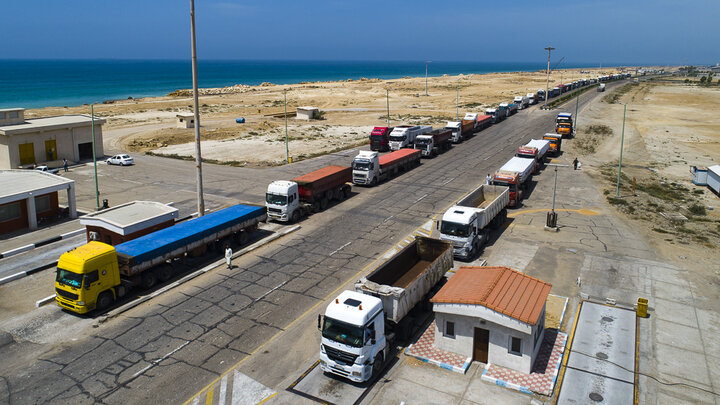
In recent years, the intensification of border tensions between Kabul and Islamabad has pushed Afghanistan toward seeking alternative trade routes. As a result, Iran—possessing strategic ports such as Chabahar and Bandar Abbas, along with extensive shared borders (including Milak, Dogharoon Razmak)—has become a vital artery for Afghanistan’s trade.
According to statements by the spokesperson of Afghanistan’s Ministry of Industry and Commerce, the value of trade exchanges between Iran and Afghanistan in 2025 exceeded USD 3.5 billion. In addition, the long-term goal of both countries is to raise bilateral trade volume to USD 10 billion. Achieving this goal requires the removal of banking obstacles and an increase in Afghanistan’s exports to the Iranian market.
In this context, a series of meetings have been held between Iranian and Afghan officials, including a session chaired by Hamid Ghanbari, Iran’s Deputy for Economic Diplomacy, with Afghan authorities. These meetings emphasized the need to utilize export and transit capacities, and agreements were reached to facilitate trade and the transportation of goods. Both sides have moved toward constructive engagement in order to overcome existing challenges.
Recent Key Developments Indicating Improved Economic Relations Between Iran and Afghanistan
Strengthening Economic Ties with Iran:
According to official statistics released in January–February 2026, Afghanistan’s trade volume with Iran reached USD 1.6 billion over the past six months, surpassing its trade with Pakistan (USD 1.1 billion). This unprecedented figure is the result of the Taliban government’s decision to adopt alternative trade routes and reduce risks arising from tensions with its eastern neighbor. In Kabul’s markets, Iranian goods are now gradually replacing Pakistani products, reflecting the depth of this shift in economic relations.
Connection to the Eurasian Rail Network
The Khaf–Herat railway project has connected Afghanistan to a broader rail network through Iran, forming a central pillar of a new economic strategy. This strategic alignment, centered on the development of rail infrastructure, is reshaping the regional economy away from border tensions and international constraints.
Tangible Achievements in the Transit Sector
Surge in Rail Transit
According to reports by the Deputy Minister of Roads and Urban Development and the CEO of the Islamic Republic of Iran Railways, rail transit with Afghanistan has experienced significant growth. This includes an increase in transit cargo volume from 15,000 tons during the first eight months of 1403 to 510,000 tons in 1404.
Chabahar Port: A Hub for Afghan Investment
Chabahar Port has emerged as the safest and most cost-effective transit route for Afghanistan. Supportive measures implemented by Iran—including tariff discounts, 24-hour customs procedures, and land allocation—have attracted substantial investment from Afghan traders to this port.
So far, 199 companies owned by Afghan traders have been registered in the Chabahar Free Trade Zone, and 29 land-allocation contracts have been signed for investment purposes. As a result, Chabahar is increasingly becoming one of the most important bases for Afghanistan’s private sector activities outside the country.
According to economic experts, Afghanistan can reduce its economic dependencies through stronger economic relations with Iran. By deepening these ties, Afghanistan can increase its domestic production capacity, reduce imports, and expand exports. Such economic relations can contribute to economic growth and sustainable development in Afghanistan.
Proposed Measures:
Strengthening Banking Cooperation
Enhancing banking cooperation between Iran and Afghanistan can facilitate trade between the two countries. Such cooperation could include reducing financial transaction costs, accelerating the speed of transfers, and minimizing risks associated with financial transactions. With these measures, Afghan traders would be able to access Iranian and global markets more easily and offer their goods efficiently.
Investment in Infrastructure
Iran can create a foundation for expanded economic cooperation by investing in the development of Afghanistan’s transportation networks, energy sector, and commercial connectivity infrastructure. This would also strengthen Iran’s transit role toward Central Asia, particularly China. Such investments may include the construction of roads, railways, and other necessary infrastructure to develop trade relations between Iran and Afghanistan.
Cultural and Educational Cooperation
Through educational and advisory collaboration in areas such as production, packaging, and related fields, Iran can help Afghan producers enhance their production capacity and bring their products up to international standards. These efforts could include training programs, student exchanges, and other educational initiatives.
Overall, the growing trend in trade and transit cooperation between Iran and Afghanistan points to a promising future for bilateral economic relations. Officials and traders on both sides must intensify their efforts to expand areas of cooperation and remove existing obstacles in order to achieve greater prosperity in the economic relations between the two countries.