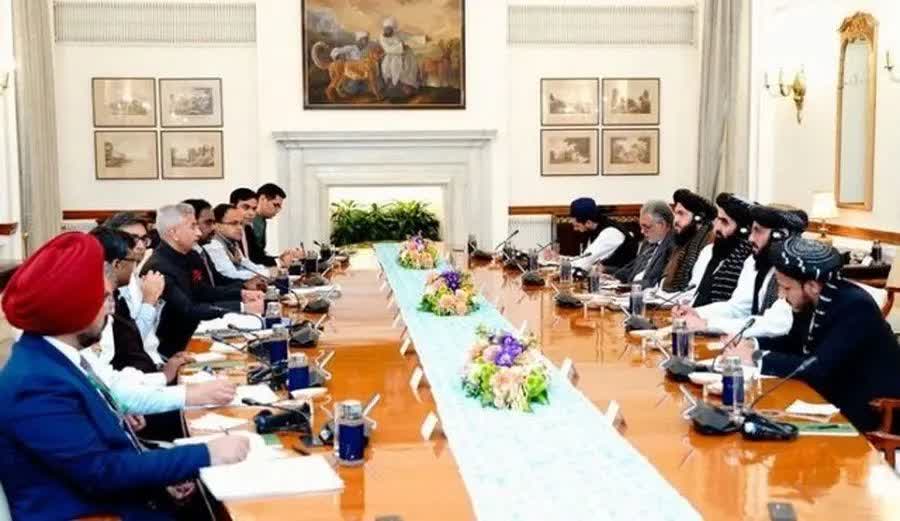
Tehran- IRAF- citing The Express Tribune, the expansion of Delhi’s cooperation with the Taliban faces serious geopolitical and geographical limitations, and this convergence is fundamentally challenged due to Afghanistan’s landlocked nature and its dependence on Pakistan.
The report, referring to an analysis by “The Economic Times”, added that; India has noticeably withdrawn from actively participating in the Chabahar port project, and the ambiguous response from the Indian Ministry of Foreign Affairs has fueled speculation about the impact of external pressures.
Pakistan: India’s Claim of Strategic Autonomy Called into Question
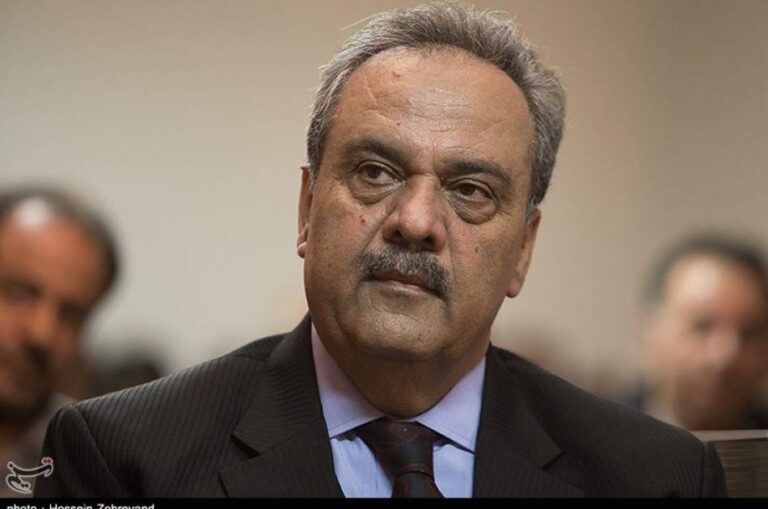
Jowhar Salih, former Pakistani Deputy Foreign Minister, in an interview with The Express Tribune, described these developments as indicative of contradictions in India’s foreign policy. He emphasized: “The Chabahar project has been more political than economic in nature and has been met with skepticism from the outset due to US sanctions.”
According to him, India’s claim of strategic autonomy is compromised under external pressure, and efforts to bypass Pakistan through alternative routes are unrealistic given Pakistan’s geographical advantages and logistical benefits.
The report suggests that, given the strained relations between India and Pakistan, as well as tensions between the Taliban and Islamabad, it appears that, New Delhi and Kabul are testing a tactical rearrangement to advance their strategic objectives.
For India, this engagement could create leverage against Pakistan and provide a new position in Afghanistan. From the Taliban’s perspective, rapprochement with India would diversify diplomatic relations and reduce exclusive dependence on Pakistan.
This comes as recent border clashes between the Taliban and Pakistan have resulted in casualties, blocked trade routes, and economic losses for both countries, with three rounds of peace talks in Doha and Turkey yielding no results.
India-Taliban diplomatic relations
On the other hand, the Council on Foreign Relations has warned in a report that Pakistan’s tensions with India and Afghanistan could escalate into armed conflict again in 2026, making South Asia one of the world’s most critical regions.
An analysis of India’s approach in recent years reveals that the country has adopted a pragmatic, multi-step policy in dealing with the Taliban. This approach includes monitoring and diplomatic aid, gradual engagement with the Taliban to build trust, and ultimately establishing positive and constructive relations with the Taliban government.
Meanwhile, there has been no indication of cooperation or alignment between the Taliban and anti-Indian groups in recent years.
The Taliban’s behavior suggests that they view the India-Pakistan conflicts, particularly the Kashmir dispute, as a bilateral issue and have opted for neutrality.