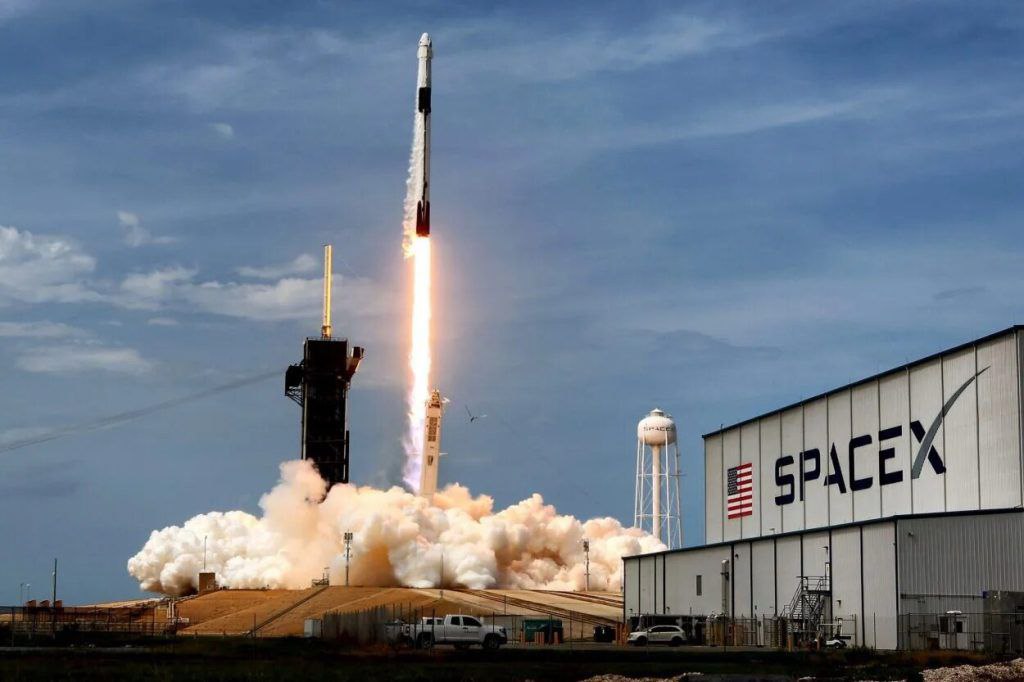
According to IRAF News Agency, at the informal Security Council session, China once again voiced its concerns over the consequences of the uncontrolled growth of the Starlink system.
Beijing emphasized that the absence of binding international regulations has allowed private companies to deploy thousands of satellites in low Earth orbit without accountability, a process that, in China’s view, could destabilize the global space order.
Dangerous Close Encounters with Chinese Space Station
China’s representative highlighted that; in 2021 and 2022, two Starlink satellites approached the Chinese space station at dangerously close distances—incidents that, according to Beijing, put the lives of Chinese astronauts at risk.
China described these events as examples of “irresponsible behavior” in space and called for stronger oversight of commercial space activities.
Orbital Congestion and Risk of Chain Collisions
China warned that the mass deployment of commercial satellites, in addition to occupying orbital and frequency resources, increases the likelihood of in-orbit collisions and the generation of space debris.
Such conditions could disrupt space missions, communication infrastructures, and even global navigation networks.
Call for Strict Global Space Regulations
Beijing reiterated the urgent need to establish clear, binding, and globally recognized rules to manage space activities, warning that if current trends continue, space competition could escalate from a commercial issue into a tense and unstable arena.
Reactions from Other Countries
Russia
Russia, which hosted the recent Security Council session, described Starlink as having “dual-use” potential and warned about its possible use in military and intelligence operations. Moscow stressed that the system could alter the balance of power in space and must be subject to international oversight.
European Union
European experts also expressed concern about orbital congestion and the risk of chain collisions. They warned that unchecked growth of commercial constellations could threaten the security of Europe’s space missions and emphasized the need for global cooperative frameworks.
United States
The U.S. has generally defended SpaceX’s activities as part of “private-sector innovation.” However, some scientific and military bodies in the country have also warned about the lack of comprehensive regulation and the growing orbital congestion.
Developing Countries
Many developing nations have stated that monopolization of orbital and frequency resources by major corporations could limit their access to space and stressed the need for “space equity” in international governance.