According to IRAF, citing the American newspaper Small Wars Journal, two military researchers, Daniel Ricks and Doug Livermore, in a detailed analysis published today (Wednesday, December 31), have described the United States’ 20-year war in Afghanistan as one of the greatest strategic failures in American history—a war that resulted in the deaths of thousands of U.S. soldiers and contractors, more than 100,000 Afghans, and the expenditure of several trillion dollars.
The report recalls that the end of the war was marked by grim scenes of Afghans fleeing the country and clinging to the wheels of a C-17 aircraft at Kabul airport, as well as the killing of U.S. Marines at Abbey Gate—images that, according to the authors, permanently etched America’s defeat into global memory.
The Small Wars Journal analysis stresses that the collapse of Ashraf Ghani’s government, even before the complete withdrawal of U.S. forces, made Washington’s defeat appear more severe than the fall of South Vietnam, as the South Vietnamese government survived for two years after the U.S. exit, whereas the Kabul government collapsed before the withdrawal was completed.
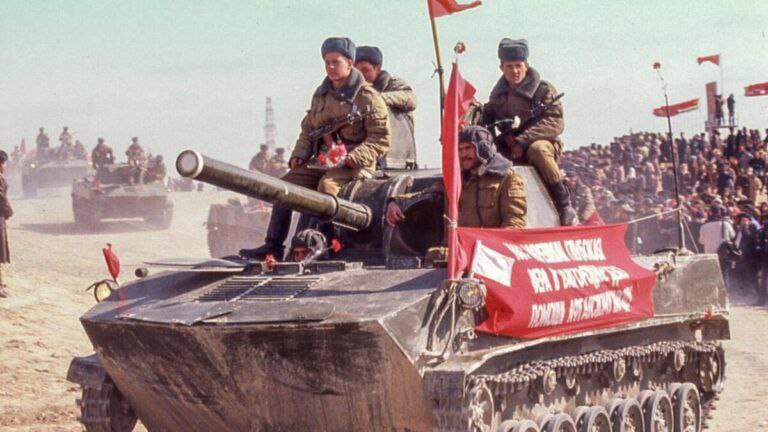
The authors also note that the Soviet-backed government in Afghanistan remained in power for three years after the withdrawal of the Red Army.
The article identifies six specific strategic failures in U.S. performance—failures which, the authors argue, if not properly learned by senior U.S. military leaders, could result in heavier casualties and another strategic defeat in future hybrid wars.
Scope of the debate: Why did the United States lose the war?
The report states that dissecting the longest war in U.S. history is a complex, multi-layered task, and that researchers will debate for years how the world’s most powerful military was defeated by insurgents with far more limited financial and military resources.
Despite billions of dollars in aid to Islamabad, Pakistan not only failed to restrain the Taliban but effectively supported them. Sanctions also proved incapable of cutting off the Taliban’s financial resources, which ranged from drug trafficking to an extensive hawala network.
Fifth failure: Training mismatched to the nature of the war
The report notes that Afghan security forces were trained for conventional warfare rather than counterinsurgency. Insufficient local deployment and the episodic use of commando forces prevented the establishment of sustainable security. Programs such as the Afghan Local Police were launched too late and were ultimately halted due to corruption and shifting policies.
Sixth failure: Undermining the state the U.S. itself had built
According to the analysis, in the final years of the war, the United States signed the 2020 peace agreement without the participation of the Afghan government, instead of negotiating from a position of strength—an action that weakened the Kabul government and strengthened the Taliban.
Ashraf Ghani’s flight on August 15, 2021, further conveyed to the Taliban the message that “America’s military victories were meaningless.”
Conclusion
Small Wars Journal warns that just as after the Vietnam War the U.S. military shifted its focus from counterinsurgency to conventional warfare, a similar pattern is now emerging. However, future conflicts will be hybrid wars, and ignoring the lessons of Afghanistan could lead to new strategic failures and heavier losses.