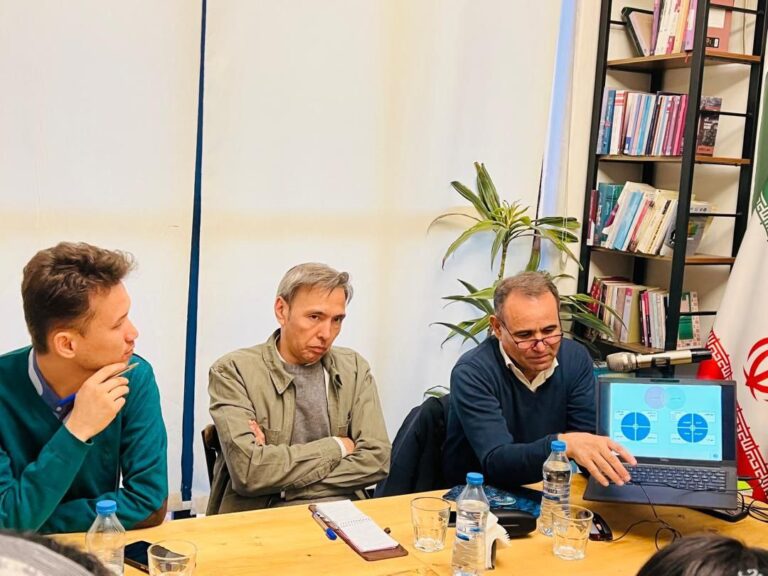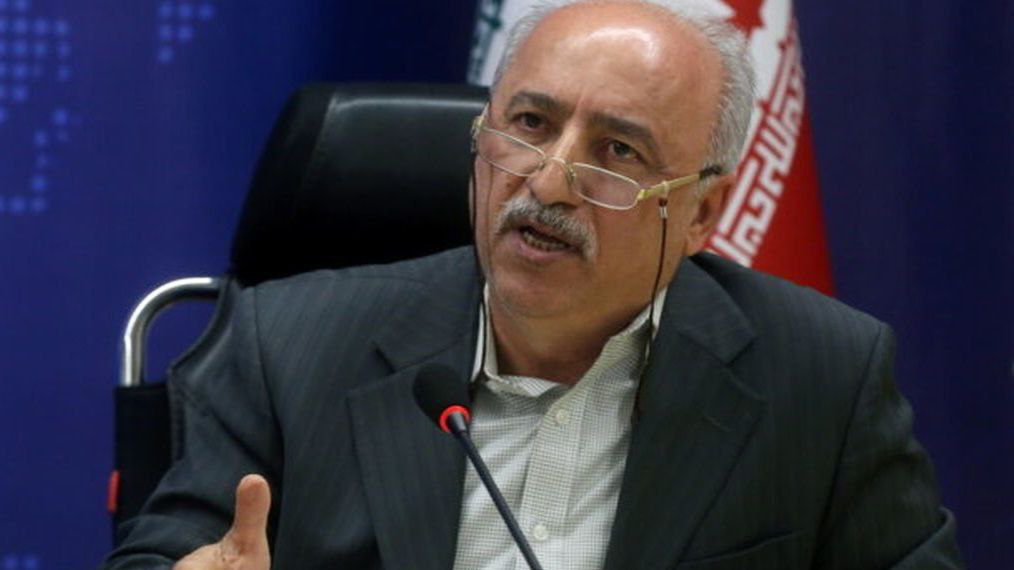
In an interview with IRAF, Afqah said, regarding the country’s rail and road corridors: “These corridors can only reduce part of the problems under the very critical conditions we are currently facing—provided they are implemented well, which I personally am not very confident about. In normal conditions, a country must engage in trade to raise its level of welfare, and this trade should be based on scientific principles, meaning comparative advantage must be considered. When we are forced to trade with only one, two, or three countries, that is not a miracle—it is merely an attempt to minimize problems.”
He added: “A country like Afghanistan, which is not considered wealthy and whose economy is not technology-based, can still be useful for a portion of our exports, mainly food products, and for some of our businesses that are able to deliver their goods there. However, another major problem, which lies at the root of many of our current economic challenges, is administrative inefficiency, weak execution, bureaucracy, and poor management. Therefore, approving a corridor does not mean it will be implemented. Just as the 25-year Vision Plan was never realized and of the six development plans implemented, only about 30 percent progress was achieved. These are often aspirations we are accustomed to writing down, but if truly implemented, they could reduce part of the failures experienced under sanctions.”
Impact on Iran’s Sanctioned Economy
Afqah explained: “If implemented correctly and with Afghanistan’s cooperation—since corridors require specific infrastructure and executive measures—some of our SMEs, which play a significant role in national production and employment, can be strengthened. These businesses are labor-intensive and job-creating, unlike large enterprises. If everything goes well, some longstanding business obstacles may be reduced, and SMEs exporting goods demanded by Afghanistan could avoid bankruptcy under sanctions.”
60,000 to 70,000 Incomplete Projects
Regarding the impact of reduced regional tensions on attracting foreign investment, Afqah said: “I am not among those who strongly emphasize attracting foreign investment. A country that cannot utilize its own capital has no right to talk about foreign investment. We drive domestic capital out of the country through the problems we create, and even the capital that remains is often wasted. You have about 60,000 to 70,000 incomplete projects—that means capital waste.”
He continued: “Foreign investment makes sense when we lack the necessary technology and need to invite a foreign investor with specific expertise, or when we face a shortage of skilled labor for a project. Otherwise, exaggerated discussions about foreign investment are not a miracle solution. However, if two conditions are met—proper project implementation and a suitable political and security environment—foreign investment can be beneficial. Otherwise, even domestic investors will not invest under war-like conditions, let alone foreign investors.”
Border Cooperation with Afghanistan: An Opportunity for Sistan and Baluchestan
Afqah noted that economic cooperation with Afghanistan and utilizing the border capacities of Sistan and Baluchestan could potentially create development and employment opportunities in this deprived province. However, he added: “For years, we have heard similar repeated promises. When the Soviet Union collapsed, many Central Asian countries were ready to accept our goods, but administrative inefficiencies prevented us from fully utilizing that opportunity. The same happened after Saddam’s fall, when border provinces such as Khuzestan and Kermanshah had opportunities to export to Iraq, yet bureaucracy hindered progress.”
He said the same applies to cooperation with Afghanistan: if inefficiencies do not obstruct it, such cooperation could generate employment and growth in deprived provinces such as Sistan and Baluchestan and South Khorasan.
Reducing Trade Costs and Regional Routes
Afqah emphasized that reducing costs is a priority for any country. One of the most significant costs in trade is transportation. Therefore, prioritizing trade with neighboring countries—where transport costs are minimal—is entirely logical. Investment in this area can bring multiple benefits, including lower transport costs and, perhaps more importantly, economic revitalization of Iran’s largely underdeveloped border provinces in the east, west, and south.
The Need for Institutional Transformation
Regarding transforming Iran into a regional transit hub, Afqah stated: “Many reforms are needed. First, governance must be reformed, and improving people’s livelihoods must become the top priority. Then the system for appointing managers must become development-oriented, and laws and regulations facilitating trade and economic growth must be revised. Without transforming managerial, legal, and bureaucratic structures, many domestic problems will remain unresolved, and we cannot fully benefit from our trade potential.”
Final Remarks
In conclusion, Afqah said: “Under current constraints, if a country is unwilling to cooperate under sanctions, interaction is difficult. Afghanistan, given its circumstances, may cooperate, and many of our goods have a market there. Focusing investment on trade with Afghanistan could be helpful—provided we avoid merely signing administrative agreements and leaving implementation to inefficient agencies. The livelihood impact of such cooperation on border regions—especially Sistan and Baluchestan and South Khorasan, among the most deprived provinces—could bring meaningful transformation after nearly 30 years of underdevelopment.”
It is worth noting that trade and transit relations between Iran and Afghanistan have a long history. Eastern Iran’s routes have historically been part of regional trade networks. In contemporary times, Afghanistan has become one of the main destinations for Iran’s non-oil exports. The development of transport infrastructure between the two countries—including the inauguration of the Khaf–Herat railway in 2020—reflects ongoing efforts to strengthen transit connectivity and expand economic exchanges. This remains an important capacity for revitalizing eastern border regions and enhancing regional trade.