Tehran-IRAF- Mohammad Manan Raeisi, a member of Iran’s Parliament representing Qom, Kahak, and Jafarabad, spoke to the parliamentary correspondent of IRAF about the role of foreign nationals in the recent unrest.
Ra’eIsi said that based on the data he has regarding those arrested on the streets and actively involved in the disturbances, foreign nationals constituted only around one percent of the total detainees.
Comparing Population Share and Arrest Figures
Addressing the overall population of foreign nationals in Iran, Ra’eisi noted that unofficial estimates suggest approximately seven to eight million foreign nationals reside in the country—out of a total population of around 80 to 90 million.
He pointed out that foreign nationals make up roughly 8 to 9 percent of the country’s population. “If they had participated proportionally to their population share, 8 to 9 percent of those arrested should have been foreign nationals. However, the figure is only about one percent,” he said.
“Do Not Blame Everything on Foreign Nationals”
Raeisi emphasized that the data indicate foreign nationals did not play a prominent, meaningful, or influential role in the recent unrest. “We cannot lay the blame at their feet,” he said, summarizing his assessment.
Migrants as Both a Challenge and an Opportunity
The MP also addressed the broader issue of migrants’ role during periods of insecurity, stating that their presence can be viewed as either a threat or an opportunity, depending on how the government and security institutions manage the situation. He added that many foreign nationals possess valuable capacities that can be properly utilized.
Previously, other officials and experts had also stressed that Afghan nationals had no role in Iran’s recent unrest.
At the same time, military and security officials, as well as members of Parliament, rejected claims that foreign nationals were involved in the so-called 12-day war waged by Israel and the United States against Iran. They stated that no foreign nationals had any role in the use of drones during that conflict.
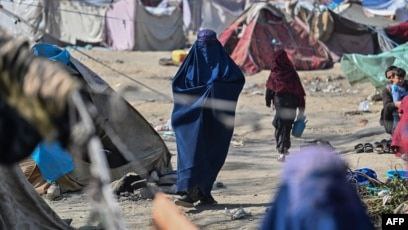
However, following the 12-day war, some media outlets and social media users reportedly launched a targeted wave of anti-migrant sentiment against Afghan nationals, alleging that they had assisted the aggressors and played a role in the assassination of Iranian military commanders. These claims fueled public hostility toward migrants and contributed to the tightening of certain security and migration policies against them.