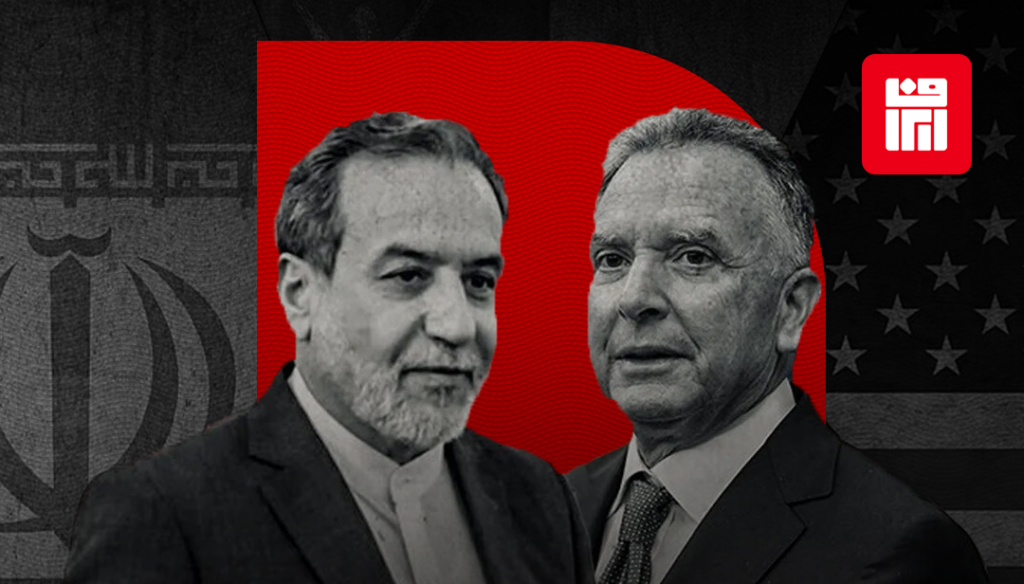
Tehran-IRAF- at least as stated by the negotiating parties, the first round of the latest Iran–U.S. talks in Oman made some progress, and further negotiations are scheduled for this week. The reality, however, is that time is limited for reaching any form of agreement between Washington and Tehran.
The key question is: What might a potential agreement include?
Such an agreement could be limited or comprehensive, partial or complete. In public statements and media appearances, both sides continue to emphasize their red lines. The Islamic Republic of Iran insists that any agreement must focus exclusively on the nuclear issue. The Trump administration, however, maintains that Iran’s ballistic missile program and its regional allies must also be addressed.
Trump presents himself as eager to reach a deal, while Iranian officials have made clear that their primary demand is the lifting of sanctions.
At the same time, the U.S. president has deployed a significant naval and military presence around Iran in an effort to gain leverage at the negotiating table and pressure Tehran into conceding to U.S. demands and those of the Israeli regime.
It is evident that war is always dangerous and rarely achieves its intended objectives. Trump knows well that starting a war is far easier than ending one.
A war could occur through deliberate planning or as a result of miscalculation. But if an attack were to happen, what would the objective be—and how achievable would it actually be? Trump does not authorize an attack on Iran aimed at regime change, knowing such a goal is unattainable and that attacking Iran is far from simple.
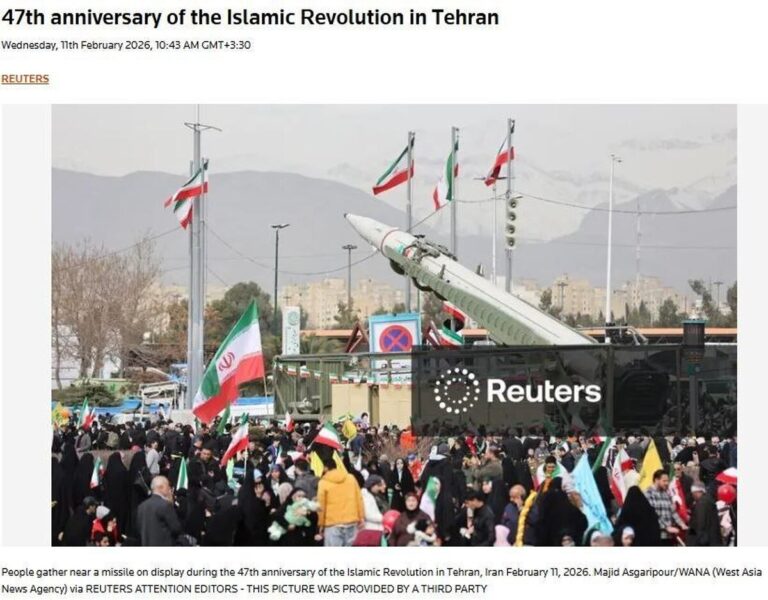
Similarly, the Leader of the Islamic Revolution has emphasized that the Islamic Republic will never initiate a war, but has also made it clear that if the United States or its allies impose one, it will not remain limited, controlled, or localized, but will instead escalate into a regional war.
Iran’s Strategic Options and Regional Consequences
In the event of a full‑scale war, Iran possesses significant strategic options. Iranian ballistic missiles could be launched toward the Israeli regime and occupied territories. Another option would be the closure of the Strait of Hormuz, delivering an immediate and severe shock to the global economy.
In the face of any U.S. or U.S.–Israeli attack on Iran, a large segment of Iranian society would likely close ranks and unite. Many Iranians believe that domestic challenges must be resolved internally, not through disastrous foreign intervention.
There is no doubt that war would result in grave regional consequences. Iran has clearly stated that it would respond to any attack swiftly and forcefully, including actions against U.S. allied forces in the region—a scenario that could draw Israel and U.S. bases in the Persian Gulf into a wider regional conflict.
Such developments would cause widespread instability and economic vulnerability, potentially triggering large‑scale capital flight and increased refugee and migration flows toward Europe. Moreover, any Iranian attack on shipping in the Strait of Hormuz or on Gulf energy infrastructure would drive up global oil and gas prices, intensify market volatility, fuel inflation through higher energy costs, and place additional strain on already fragile economies—further deepening the crisis.
Under current conditions, any U.S. military escalation poses a danger not only to Iran but to the entire region. Middle Eastern history shows that once conflict erupts, it spreads like wildfire, destabilizing the region in unpredictable ways.
Unexpected Consequences of an Iran–U.S. War for Afghanistan
A direct conflict between Iran and the United States would severely impact Afghanistan, a country already grappling with fragile governance, economic crisis, and insecurity under Taliban rule. Due to its geographic proximity to Iran, unstable political structure, dependence on cross‑border trade, and the presence of extremist groups, Afghanistan faces heightened security and economic risks.
Afghanistan largely maintained a neutral stance during previous proxy tensions and even during last summer’s direct confrontation between Iran and Israel. But does neutrality truly shield Afghanistan from the fallout of such a conflict? Can the Taliban manage the political and security consequences of an Iran–U.S. war? And what strategies could realistically address these challenges?
Iran–Taliban Relations
Iran has long maintained a complex and multi‑layered relationship with Afghanistan, particularly during Taliban rule. Over the past two decades, Iran and the Taliban have shared an unspoken understanding that foreign forces—especially the United States—represent a common threat to their interests.
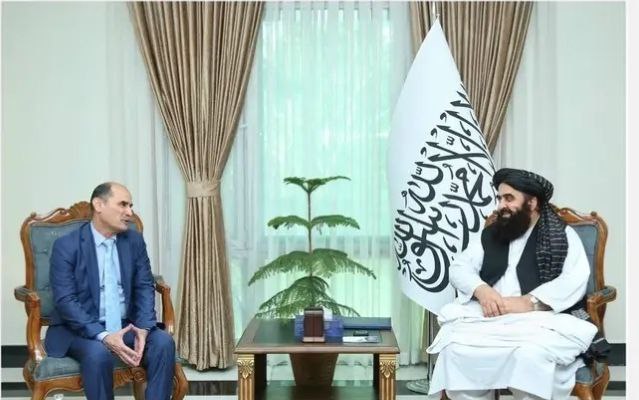
Accordingly, the Taliban’s official response to U.S. military threats against Iran has included opposition and warnings. In a statement issued by its spokesperson, the Taliban condemned any potential U.S. action against Iran, calling it a “major mistake”, and emphasized that dialogue is the best solution.
The Taliban have described diplomatic talks between Iran and the United States as the best way to resolve existing problems, stressing that tensions should not escalate into war or threats.
They have also characterized protests inside Iran as a purely internal matter to be resolved domestically, rejecting any form of foreign interference.
Previously, a Taliban official analyzing regional developments wrote that military pressure against Iran has been met with national unity and internal cohesion, neutralizing military scenarios and altering the regional security balance.
Afghanistan’s Vulnerabilities
Most analyses have focused on the regional and economic dimensions of an Iran–U.S. war, paying insufficient attention to its security and economic impact on neighboring countries such as Afghanistan.
Under Taliban control, Afghanistan lacks adequate social safety nets and is heavily dependent on neighboring countries—especially Iran—for essential goods, including food, fuel, and gas. Any disruption to supply chains could quickly undermine food security and purchasing power, exacerbating the humanitarian crisis.
During the 12‑day war, Afghanistan experienced noticeable market disruptions. Meanwhile, Iran accelerated the forced deportation of Afghan migrants after the conflict. Large numbers were detained and returned to Afghanistan. This sudden influx—combined with similar deportations from Pakistan—has undoubtedly created serious security and economic consequences.
Experts warn that without support and infrastructure; extremist groups such as ISIS‑K and al‑Qaeda could exploit these displaced populations. According to UNICEF, around 5,000 Afghan children were separated from their families during the deportations and now face security threats and exploitation by radical groups.
A local source in Herat reported a sharp rise in housing rents, with many deported families becoming homeless and forced to live on streets and roads. These individuals are exposed to social insecurity, including the risk of sexual exploitation of women and children. Criminal activities such as home and vehicle theft have also increased, while the Taliban have offered no effective support programs.
Economic Crisis and Humanitarian Risks
Iran is one of Afghanistan’s largest trading partners, particularly in supplying fuel, food, medicine, and construction materials. An Iran–U.S. war could disrupt this vital trade and further worsen Afghanistan’s livelihood crisis. Price hikes, shortages of basic goods, and inflation are among the expected outcomes.
Afghanistan’s dependence on Iranian imports—especially food and medicine—is exceptionally high. Even a short‑term disruption could severely impact daily life. Replacing Iran as Afghanistan’s primary trade partner would be costly and time‑consuming, despite limited imports from Pakistan, China, Uzbekistan, Kazakhstan, and Russia. Iran’s proximity and stable land routes remain uniquely important.
Beyond economic impacts, humanitarian challenges inside Iran—driven by migration pressures, sanctions, inflation, and limited healthcare capacity—may intensify. This could increase pressure on Afghan migrant communities in Iran and lead to new waves of forced migration and human trafficking.
Supporting stability in Afghanistan is not merely a regional concern; it is essential to preventing the spread of extremism, managing migration flows, and maintaining security in an already volatile region. Ignoring these complexities risks empowering terrorist groups at regional and global levels and turning Afghanistan into a hub of instability with consequences beyond its borders.
This reality underscores the deep interconnection between Iran’s security, Afghanistan’s security, and regional security as a whole. Any threat to this shared security—whether through the imperialist projects of Trump and Netanyahu or through the escalation of terrorist groups acting as their proxies—constitutes a common danger to all regional actors, including Iran and Afghanistan.