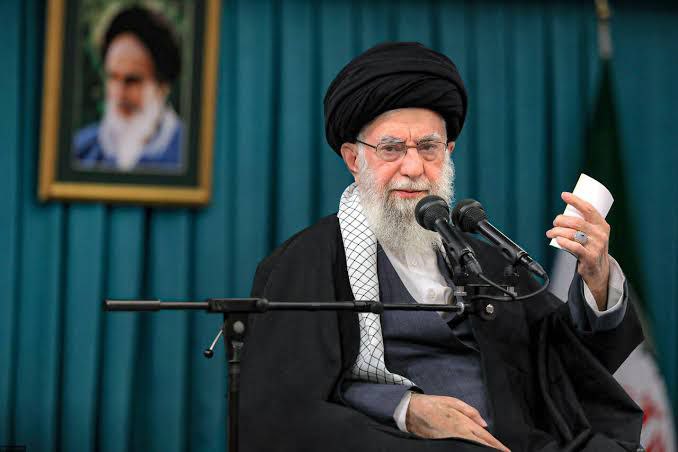
Tehran- IRAF- Ayatollah Seyyed Ali Khamenei, in his televised address to the Iranian nation, referred to the historical and identity‑defining significance of February 11, calling it “a day that embodies the will and unity of the Iranian people.” He emphasized that over the past four decades, the Iranian nation has preserved the country’s independence and dignity through conscious and enthusiastic participation.
February 11: A Day of Unveiling the Power of the Iranian Nation
The Supreme Leader stated that “February 11 each year is the day when the power and dignity of the Iranian nation are revealed,” describing the Iranian people as “motivated, determined, steadfast, appreciative, and fully aware of their own interests and harms.”
He recalled that on the first February 11, the Iranian people achieved a “great victory” by liberating the country from foreign domination and interference.
Referring to continued efforts by foreign powers to restore the past order, he said:
“Throughout these years, foreigners have always sought to reinstate the previous conditions, but the Iranian nation has stood firm.”
The February 11 March: An Unparalleled Nationwide Phenomenon
Ayatollah Khamenei described the annual February 11 nationwide marches as “unparalleled in the world,” noting that “nowhere else do people, year after year and after many decades, commemorate their independence and national day with such massive nationwide participation.”
He added that the large public turnout not only demonstrates national unity, but also forces those coveting Iran’s interests to retreat.
National Power Lies in the Will of the People
In another part of his message, the Supreme Leader stressed that national power depends less on missiles and aircraft and more on the will and resilience of nations, saying:
“By the grace of God, you have demonstrated steadfastness and proven your will. Continue to show this resolve in various situations and disappoint the enemy.”
He warned that as long as enemies are not driven into despair, nations will remain exposed to pressure and harassment, adding that disheartening the enemy is possible through unity, intellectual strength, determination, motivation, and resistance to hostile temptations.
The Role of Youth in the Country’s Future
Referring to the vast potential of Iran’s younger generation, Ayatollah Khamenei expressed hope that Iranian youth would shine even more prominently in scientific, practical, ethical, spiritual, material, and moral fields, bringing pride to the country.
He emphasized that February 11 is “a symbol of all these achievements and solidarities,” and that by taking to the streets on this day, the people reaffirm their loyalty to the Islamic Republic.
Emphasis on the Grandeur of This Year’s March
In concluding his message, the Supreme Leader expressed hope that this year’s February 11 march, like those of previous years, would further demonstrate the grandeur of the Iranian nation, prompting other nations and governments to show humility and respect before Iran’s greatness.
He ended his address with prayers for the Iranian nation.
The victory of the Islamic Revolution on February 11, 1979, marked the end of the Pahlavi monarchy and the beginning of a new chapter in Iran’s political history.
Following the return of Imam Khomeini to Iran, and after months of mass protests, widespread strikes, and the gradual collapse of state institutions, along with the defection of parts of the army and security forces to the people, the previous regime effectively disintegrated.
On that day, the people took control of many key centers, and the media officially announced the victory of the Revolution.
Since then, February 11 has been commemorated annually with large‑scale nationwide marches across Iranian cities and is recognized as one of the most significant national and political occasions of the Islamic Republic of Iran, a day that remains a lasting symbol of unity, independence‑seeking, and the continuity of the revolutionary path in the collective memory of the Iranian nation.