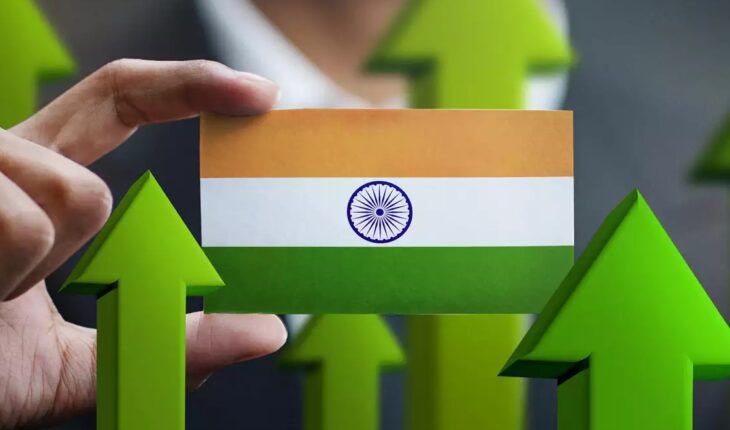
According to IRAF News Agency, citing data released by Bloomberg, India’s GDP has reached approximately $4.19 trillion, while Japan’s economy slipped to $4.18 trillion, dropping to fifth place.
This shift places India, after the United States, China, and Germany, as the fourth-largest economy in the world.
Reuters reports that the International Monetary Fund (IMF) predicts India, maintaining an average growth rate of 6.8%, will surpass Germany by 2027 and become the world’s third-largest economy.
In a separate analysis, The Economist emphasized that if the current trend continues, India’s economy could exceed $7 trillion by 2030, solidifying its position as the third-largest economy globally.
International media attribute this economic surge to a combination of factors, including India’s large and youthful population, economic reforms under Prime Minister Narendra Modi, heavy infrastructure investment, rapid growth in the technology sector, and the expansion of IT services exports.
India is now the largest consumer market in the world by population, and its IT sector continues to set new records in exports.
However, The Wall Street Journal notes that India’s economy still faces challenges such as inequality, unemployment, and the impacts of climate change.
Despite these obstacles, analysts believe that nationalist economic policies and strong foreign investment inflows have paved the way for India to emerge as a new economic powerhouse.
Experts argue that India’s rapid ascent could reshape the global economic balance and position the country as one of China’s most formidable competitors in the coming decade.