Birjand Chamber of Commerce Head Calls Afghanistan a Strategic Opportunity for Health Tourism
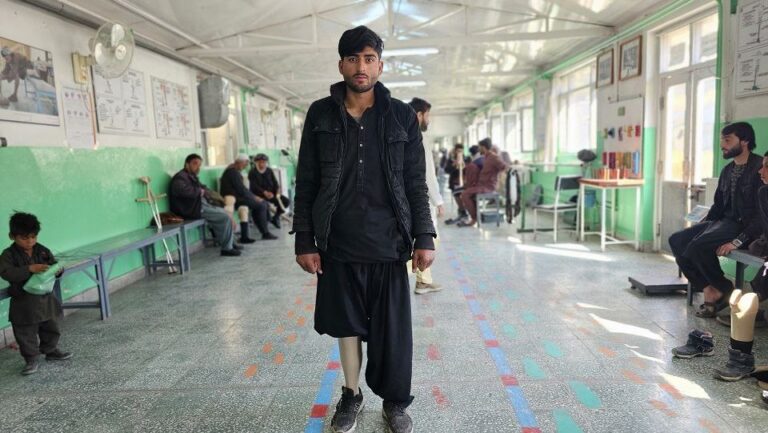
According to Eiraf, Alireza Khameh-Zar, head of the Birjand Chamber of Commerce, said on Monday (Dec. 29) at a meeting of the Birjand Tourism and Business Commission that South Khorasan has vast potential in health tourism, describing Afghanistan as a “strategic opportunity” for expanding medical and economic cooperation.
Referring to Afghanistan’s population of around 40 million, Khameh-Zar said the country should be seen as an opportunity rather than a threat. “We must be able to turn threats into opportunities,” he stressed.
He called for coherent planning, the facilitation of visa issuance, and the completion of transport and communications infrastructure in order to “transform regional threats into sustainable development opportunities.”
Khameh-Zar proposed closer cooperation with Iranian institutions, pharmaceutical companies, and the Iranian Red Crescent operating in Afghanistan to deliver medical services and humanitarian assistance in a coordinated manner. He noted that proper management and the signing of memorandums of understanding with partner institutions would help reduce security and administrative concerns while ensuring transparent and standardized healthcare services.
Highlighting the past presence of Iranian doctors in war-affected areas, he said this capacity should be strengthened through organized and formal programs in Afghanistan.
Health City and Integrated Medical Services
Emphasizing the importance of health tourism in Mashhad and other provinces, Khameh-Zar suggested establishing a “health city” and integrating hospital and medical services, including surgeries and specialized treatments, to provide high-quality and coordinated care.
He also underlined the vital role of transport infrastructure and announced progress on the Farah–Mahirood transit corridor. “With the full operation of this route, a large influx of tourists and patients from Farah province and neighboring areas will become possible,” he said.
Health Tourism: Driving Economic Growth and Cross-Border Interaction
Khameh-Zar said that once the corridor is completed, South Khorasan should expect a significant rise in incoming patients, adding that hospitals and medical centers must begin preparations now.
In closing, he noted that the development of health tourism, in addition to improving healthcare services, could play a key role in boosting the provincial economy and strengthening cross-border interaction.
Earlier, a senior official at Iran’s Ministry of Health said health tourism could generate up to €6 billion annually for the country, provided that effective planning, strong branding, and inter-agency cooperation are put in place.
He added that South Khorasan and the city of Birjand, due to cultural proximity, a shared language, and extensive family ties with Afghanistan, could emerge as a new hub of health diplomacy in eastern Iran.